Standing water around my ankles turned every shower into a soggy nightmare. I spent weeks ignoring the slow drain until one morning the water refused to leave at all. That forced me to figure out how to unclog a shower drain myself instead of waiting for a plumber. I tested every method I could find, failed a few times, and finally cleared it for good. This guide walks through exactly what worked in my bathroom so you can skip the frustration and get the water flowing again.
Why My Shower Drain Kept Backing Up
Hair caused most of my problems. Every wash sent strands swirling down the drain where they tangled with soap scum and conditioner residue. The mix formed a sticky plug that sat right under the cover. Soap scum from bar soap made it worse. Hard water in my area left mineral deposits that narrowed the pipe over time. Once I understood the real culprits, the fixes became obvious.
I used to think a clog meant something dramatic blocked the line. Honestly? Most of the time it is just everyday buildup. Hair and scum collect slowly until the flow stops. Knowing that saved me from overreacting and reaching for harsh chemicals right away.
Start Simple: Pull Out the Obvious Clog by Hand
I always begin here now. The cover hides a surprising amount of gunk. Remove it first and you often solve the whole issue in under five minutes.
Photograph the cover’s screw orientation before removal, then place screws in a cup; shower-drain hardware is easy to misplace during quick cleanup.
What I Grab Every Time
- Rubber gloves
- Flashlight
- Needle-nose pliers or a cheap plastic drain snake (the barbed zip-it style)
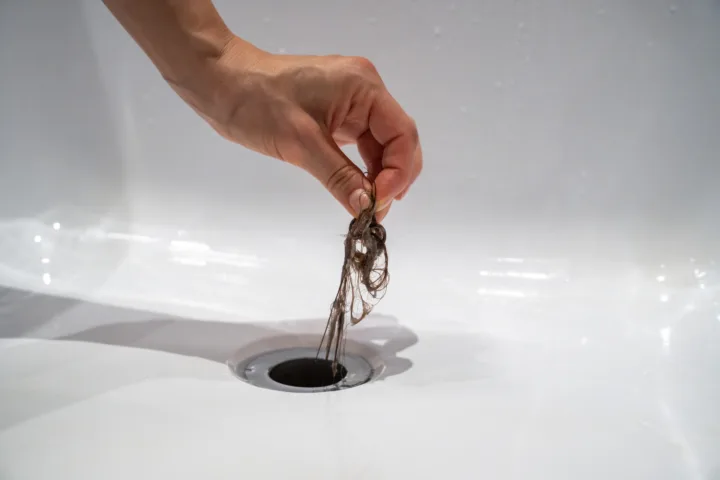
Twist or pry the drain cover free. Shine the light down the opening. You will probably see a dark clump of hair wrapped around the crossbars. Reach in with gloved fingers or the pliers and pull. Keep going until nothing else comes up. I once yanked out a mat the size of my palm. Gross, but satisfying.
After the visible mess is gone, run hot water for a minute. If the drain still crawls, move to the next step. This manual removal clears the majority of surface clogs I face.
How to Unclog a Shower Drain With Hot Water and Everyday Kitchen Stuff
Boiling water alone fixed one of my milder backups. Heat a full kettle. Pour it slowly in stages so the heat softens the soap fats without shocking plastic pipes. Wait thirty seconds between pours. Follow with a minute of hot tap water. The thermal shock melts residue and frees trapped hair.
When that only helped a little, I mixed baking soda and vinegar. The fizz does real work.
My Exact Baking Soda and Vinegar Routine
- Bail out any standing water with a cup or towels.
- Pour half a cup of baking soda straight into the opening.
- Follow with half a cup of white vinegar.
- Cover the drain with a rag or the plug so the reaction pushes downward instead of bubbling out.
- Let it sit fifteen to thirty minutes.
- Flush with another kettle of hot water.
The carbon dioxide expansion loosens the gunk. I watched the water level drop right after the flush one time and felt like a plumbing genius. Add a squirt of dish soap before the baking soda if grease seems thick. The soap acts like a lubricant and helps the mixture slide deeper.
FYI, skip boiling water if your pipes are PVC and you worry about warping. Hot tap water still works fine.
Bring Out the Plunger When Water Stands Still
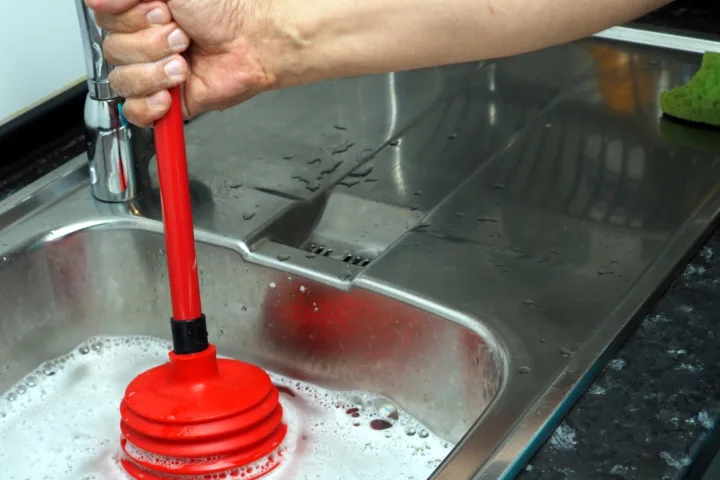
A regular cup plunger cleared a stubborn clog that the kitchen mix could not touch. Standing water actually helps here because it creates the seal and pressure you need.
Smear a thin layer of petroleum jelly around the plunger rim for a tighter fit. Fill the shower floor with enough water to cover the cup. Center the plunger over the drain and pump hard ten to fifteen times. Push down firmly, then pull up sharply. Break the seal and check the flow. Repeat the cycle if needed.
I used to think plungers only belonged in toilets. Wrong. The same up-and-down force works on shower drains once you get a good seal. Just keep the overflow hole blocked with a wet rag if your shower has one. That stops air from escaping and kills the suction.
Never plunge after pouring chemical drain cleaner into the shower; pressure can cause caustic splashback that injures skin and eyes.
Reach Deeper With a Drain Snake
When hair sits farther down the pipe, a plastic or metal snake becomes the hero. I keep a cheap barbed plastic one in the bathroom drawer now. It costs almost nothing and saves the day more often than I expected.
Insert the tool until you feel resistance. Twist gently and pull back slowly. The barbs grab the clump. Pull it out, wipe the tool, and repeat until the resistance disappears. Run hot water afterward to flush leftovers. A manual plumber’s snake works the same way if the clog sits deeper. Feed it in, turn the handle clockwise to hook the blockage, then reverse to retrieve it.
I once snaked out a tangle that looked like a wet rat. Disgusting. Effective. The water drained freely after that single pass.
Rinse and disinfect a reusable snake after retrieving hair, then let it dry before storing it in the bathroom drawer.
When Chemical Cleaners Make Sense (and When They Do Not)
I reached for a gel-style drain cleaner only after the mechanical methods failed. Products aimed at hair clogs can dissolve what the snake missed. Follow the label exactly. Wear gloves. Keep kids and pets away. Pour, wait the recommended time, then flush with hot water.
IMO, chemicals should stay the last resort. They can damage older pipes and create more problems later. Enzyme-based cleaners offer a milder alternative. They use bacteria to eat organic matter overnight. Safer for the pipes, slower results.
If nothing moves after all these steps, the clog might sit deeper in the main line. That is the moment I call a professional instead of fighting further.
Keep the Drain Clear So You Never Repeat the Mess
Prevention turned out easier than the cleanup. I installed a simple silicone hair catcher that sits over the drain. It traps strands before they disappear. Empty it after every shower. Takes ten seconds.
Once a week I pour a kettle of hot water down the open drain. Once a month I run the baking soda and vinegar mix as maintenance. Switching from bar soap to liquid body wash cut the scum dramatically. Those small habits stopped the standing water for good in my place.
See, the real win is never needing the full unclog routine again. A clean drain stays clean with almost no effort.
Frequently Asked Questions
How do I know if the clog is too deep for DIY methods? If water still stands after you remove visible hair, plunge, and snake, the blockage likely sits past the trap. Call a plumber at that point rather than risk forcing tools farther than they should go.
Can I use baking soda and vinegar every week as prevention? Yes. The mix is gentle enough for regular use and keeps soap scum from building. I do it monthly and have not had a full clog since.
Is boiling water safe for every type of pipe? Metal pipes handle it fine. For plastic PVC, stick to very hot tap water instead of a full rolling boil so you avoid softening the joints.
What is the fastest way to unclog a shower drain when I have standing water right now? Bail the water, pull the cover, grab the hair by hand or with a zip-it tool, then plunge. That sequence cleared my worst backup in under ten minutes.
Should I ever pour chemical cleaners down a slow shower drain? Only after mechanical methods fail and only products labeled for hair. Harsh cleaners can weaken pipes over time, so I treat them as a last option.
Standing water no longer controls my mornings. The methods above fixed my drain and keep it clear. Grab the gloves, start with the cover, and work through the list until the water disappears the way it should. You will finish faster than you expect and feel oddly proud of the clear pipes.