
I hate a slow drain. The water sits there. The sink starts to smell. My kitchen feels off. I reached for harsh chemical cleaners once. Then I watched the bottle label and decided I wanted something simpler. Now I unclog a drain with vinegar baking soda almost every time the flow slows. It costs pennies. It uses stuff already in my cupboard. And for the mild clogs I deal with most often, it works.
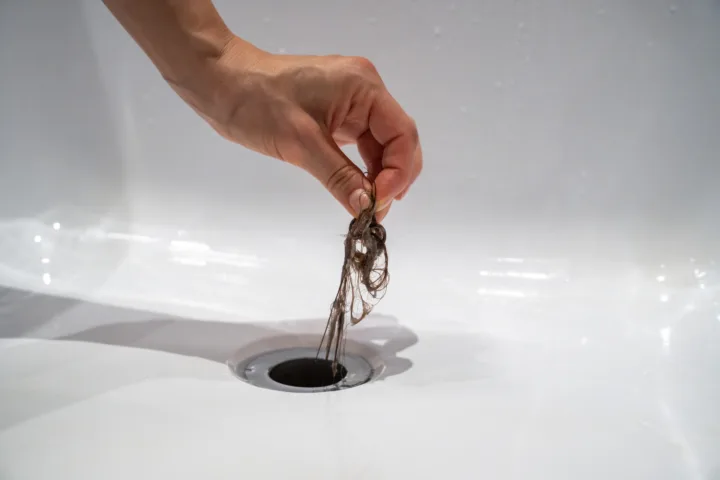
I started this habit after a particularly bad Saturday. Grease from last night’s cooking sat in the kitchen sink. Hair from the bathroom drain made the shower pool around my ankles. I felt defeated. Honestly? I almost called a plumber right then. Instead I tried the baking soda and vinegar trick I had seen online years earlier. The fizz started. The water began to move. I have stuck with the method ever since.
Why I Reach for Vinegar and Baking Soda First
Most of my clogs come from everyday life. Soap scum. Food particles. A bit of grease. Hair. Nothing massive. Chemical cleaners scare me a little. They can eat at older pipes. They leave a harsh smell. And they cost more than the jar of baking soda already sitting next to my flour.
Baking soda is a base. Vinegar is a mild acid. When they meet they create carbon dioxide gas. That fizz pushes and loosens the soft gunk stuck to the pipe walls. I do not claim it clears every blockage on earth. It clears the ones that bother me most of the time. That is good enough.
I also like that the reaction leaves no toxic residue. After the flush, the pipes just smell faintly of vinegar for a minute. Then the scent fades. My drains stay cleaner longer when I do this once a month as maintenance.
What I Gather Before I Start
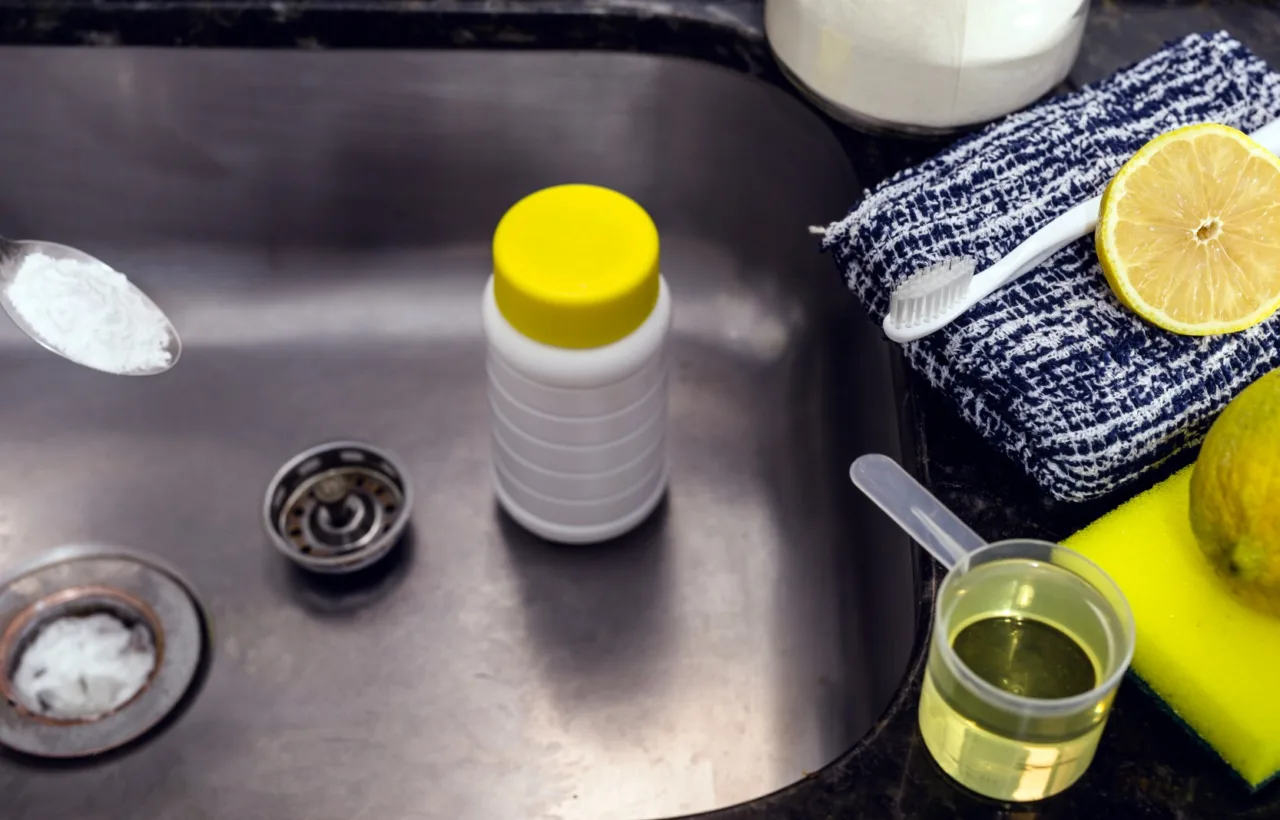
I keep the list short.
- One cup of baking soda
- One cup of distilled white vinegar
- A kettle or pot of very hot water (I use boiling for metal pipes and very hot tap water for PVC)
- A funnel if the drain opening is narrow
- A drain stopper or a damp cloth
- Optional: a squirt of dish soap and a little salt for tougher spots
That is it. No special tools. No trip to the store.
Avoid concentrated cleaning vinegar unless its label permits drain use, since its stronger acidity can irritate skin and damage nearby finishes.
The Exact Steps I Follow to Unclog a Drain With Vinegar Baking Soda
I clear the sink or tub first. Standing water dilutes everything. I bail out what I can with a cup. Then I pour a kettle of hot water down the drain. This softens grease and soap so the later reaction can reach farther.
Next I pour the baking soda. I aim for a full cup if the clog feels stubborn. Half a cup works for lighter slowdowns. I use the funnel so the powder actually goes into the pipe instead of sitting on the rim.
Right after the baking soda I pour the vinegar. The fizz starts almost at once. It sounds like a science project. I cover the drain immediately with the stopper or cloth. This forces the bubbles downward instead of letting them escape into the room. I wait. Fifteen minutes for a mild clog. Thirty minutes or even an hour if the water was barely moving.
After the wait I remove the cover and flush with another full kettle of hot water. I run the tap for a minute to check the flow. If water still sits, I repeat the whole process once. That second round usually finishes the job for me.
Small Variations That Help Me
For kitchen sinks full of grease I add a squirt of dish soap with the first hot water. The soap helps cut the fat. For bathroom drains that collect hair I sometimes mix a quarter cup of salt with the baking soda before pouring. The salt adds a little grit.
I never pour boiling water into plastic or PVC pipes repeatedly. The heat can soften joints over time. Hot tap water still works fine. Metal pipes handle the full boil without complaint.
What I Have Learned the Hard Way
I used to skip the cover step. The fizz just bubbled up and did almost nothing. Covering the drain changed the results. I also learned not to use this method when the sink is full of standing water. The mixture never reaches the clog. Bail first.
Older homes with metal pipes can handle repeated use. Newer homes with thin PVC need a lighter touch. I do this as maintenance every four to six weeks rather than waiting for a full stoppage. Prevention beats emergency every time.
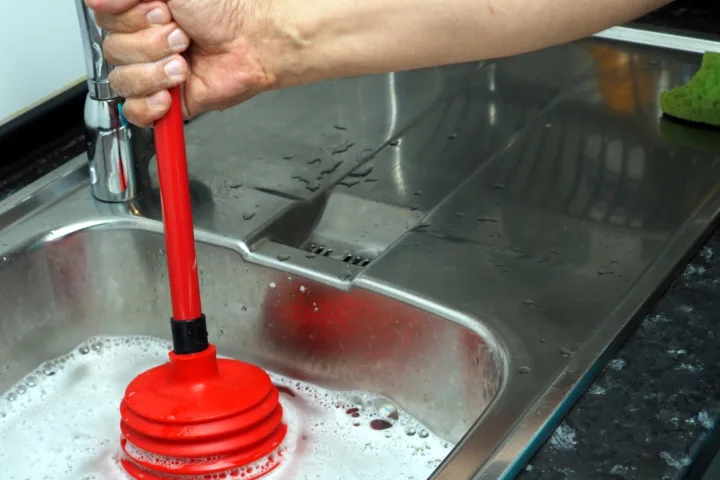
See, the reaction looks dramatic. It is not magic. It loosens soft organic material and soap scum. It will not dissolve a solid object or a thick hairball the size of a tennis ball. When the method fails twice in a row I switch to a plunger or a simple drain snake. Those tools finish what the fizz starts.
When switching to a plunger, add enough water to cover its cup, then use steady strokes for a reliable seal.
When This Method Is Not Enough
I have had days when the vinegar and baking soda only improved the flow a little. The clog was deeper. In those cases I remove the P-trap under the sink. A bucket catches the water. I clean the trap by hand. Most of the time the real blockage sits right there. I put the trap back, test the flow, and move on.
If the problem keeps returning in the same drain I call a professional. Repeated clogs can signal a bigger issue farther down the line. I would rather spend the money once than risk a flood.
How I Keep Drains Clear Between Cleanings
I run hot water for thirty seconds after every sink use that involves grease or soap. I keep a strainer in the kitchen drain and a hair catcher in the shower. Once a week I pour a kettle of hot water mixed with a little dish soap down each drain I use daily. Once a month I do the full baking soda and vinegar treatment as prevention.
I never pour cooking oil or coffee grounds down the sink. I wipe pans with a paper towel first. These small habits cut the number of clogs I face in half.
Real Results From My Own House
Last winter the bathroom sink slowed to a crawl. Water sat for ten minutes. I did the full process: hot water, one cup baking soda, one cup vinegar, cover, thirty-minute wait, final flush. The water drained normally within two minutes of the last pour. The mild sour smell disappeared after a second hot rinse.
In the kitchen I deal with grease more often. The same method clears the slowdown almost every time. When it does not, the plunger takes over in under a minute. I have not needed a plumber for a simple clog in over two years.
IMO the biggest win is the peace of mind. I know exactly what goes into my pipes. No mystery chemicals. No leftover residue that might harm the septic system later.
If the same drain slows again soon after treatment, buildup may remain deeper in the trap or branch line, despite the initial improvement.
Frequently Asked Questions
Does the method to unclog drain with vinegar baking soda work on every clog? It works well on mild to moderate clogs caused by soap, grease, and light organic buildup. Heavy hair mats or solid objects usually need a plunger or snake instead.
How long should I let the mixture sit? I give it at least fifteen minutes. Thirty minutes is better for slower drains. Overnight is safe if the clog is stubborn and I am not in a hurry.
Is it safe for all types of pipes? It is generally safe for metal and PVC when I avoid repeated boiling water on plastic. I skip it if the pipes are very old and already corroded. Frequency matters more than a single use.
Can I use apple cider vinegar instead of white vinegar? White vinegar is what I always use. Apple cider works but can leave a stronger smell that takes longer to rinse away.
What if the drain still gurgles after two tries? I move to a plunger or clean the P-trap by hand. If those steps fail I call a plumber rather than keep pouring more baking soda.
Final Thoughts From My Kitchen Floor
I keep a box of baking soda and a jug of vinegar under the sink now. They cost almost nothing and solve most of the slow-drain problems I meet. The process takes less time than waiting for a service call. It leaves my pipes cleaner without the harsh side effects of commercial cleaners.
Next time the water sits a little longer than it should, try the steps I use. Clear the standing water. Pour the baking soda. Add the vinegar. Cover. Wait. Flush. Most days that is all it takes. Your drain will thank you with a steady flow, and you will save the money for something better than a plumber’s bill.