
I faced a wake-up call with my cholesterol numbers a few years back. The doctor mentioned plaque buildup and the risks that come with it. That moment pushed me to figure out how to unclog arteries through real steps instead of waiting for problems to pile up. I dug into the research, talked with medical pros, and tested changes in my own routine. What follows is what I learned and lived through. No miracles. Just practical moves that slowed the process and improved how I felt day to day.
See, arteries do not work like kitchen pipes you can flush clean overnight. Plaque builds from cholesterol, fats, and inflammation over time. It narrows the path for blood. High blood pressure, smoking, poor diet, and sitting too much all speed that process. I used to brush off the early warnings. Then the numbers forced a shift.
What Really Happens When Arteries Get Clogged
Plaque starts small. It sticks to the artery walls and hardens. Blood flow drops. Your heart works harder. In worse cases it leads to chest pain, heart attack, or stroke. Age raises the odds after 45 for men and 55 for women, but lifestyle plays a bigger role than most people admit.
I checked my own habits first. Too many takeout meals. Not enough walks. Stress that kept my blood pressure high. Those choices fed the problem. Doctors confirmed the basics with blood tests and sometimes imaging. You cannot diagnose this at home. But you can control many of the drivers.
Honestly? I felt defeated at first. The idea of permanent damage scared me. Then I learned the body can stabilize existing plaque and slow new growth when you cut the fuel supply.
Plaque risk assessment should also review diabetes, kidney disease, family history, and blood pressure, because these drivers may exist before symptoms appear.
Can You Actually Unclog Arteries Without a Procedure?
The short answer is partial progress is possible. Full reverse of every bit of plaque rarely happens. Lifestyle and meds can shrink some deposits, make them more stable, and stop the narrowing from getting worse. Studies show cholesterol-lowering drugs combined with better habits produce the clearest results over months and years.
I started with the non-drug route. Diet and movement came first. Smoking was never my issue, but I knew quitting ranks as one of the strongest moves for anyone who does smoke. Blood vessels begin to recover quickly after the last cigarette. Stress management mattered too. High cortisol keeps inflammation high and blood pressure elevated.
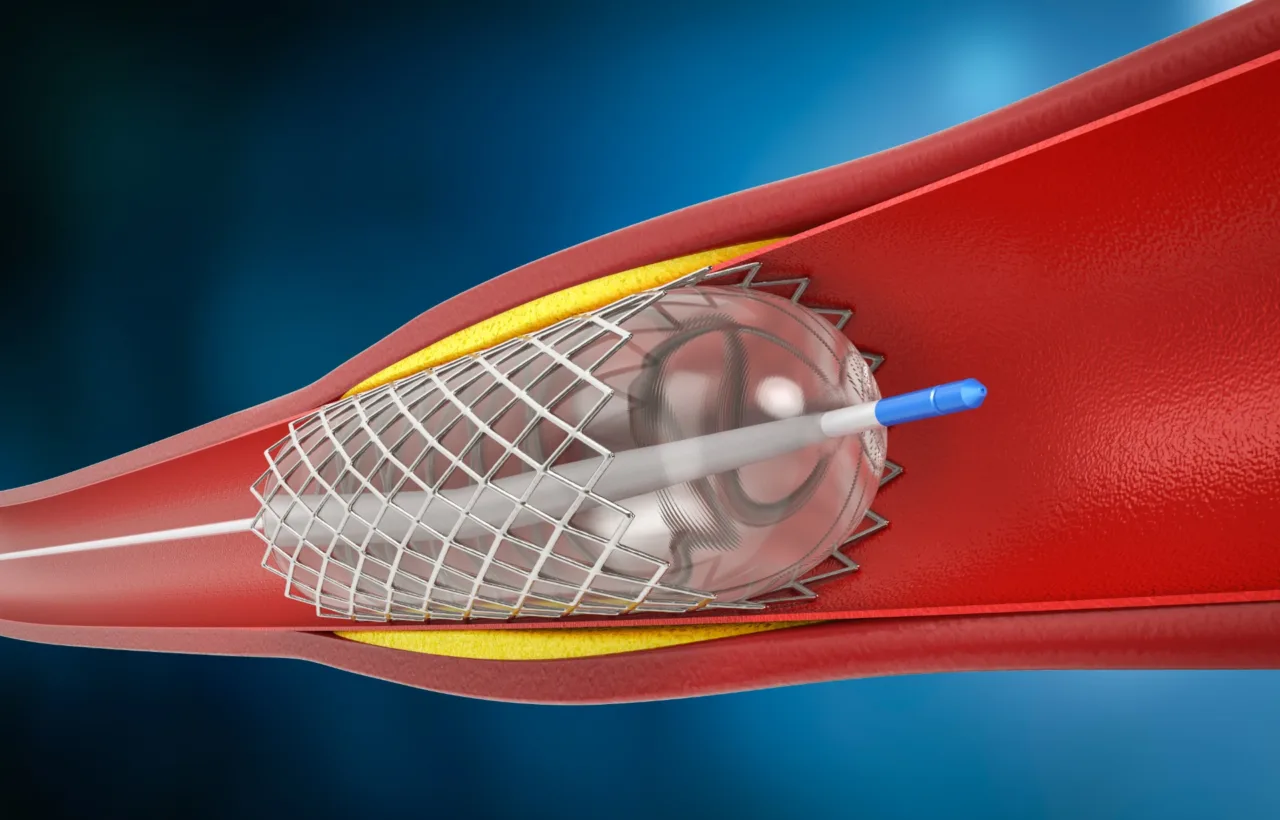
Surgery stays the option for severe blockages. Angioplasty with a stent or bypass can restore flow fast when symptoms hit hard. I never reached that point, and most people who act early avoid it. Prevention and early management beat waiting.
After starting or changing cholesterol medication, ask about a repeat lipid panel in 4 to 12 weeks to verify the plan is working.
Diet Moves That Helped Me Unclog Arteries
Food became my main tool. I shifted toward patterns like the Mediterranean style and DASH approach. Both emphasize plants, healthy fats, and fiber while cutting saturated fat, added sugar, and excess sodium. Research links these patterns to lower LDL cholesterol and slower plaque growth.
I swapped out the heavy stuff gradually. Red meat dropped. Processed snacks disappeared. In their place I loaded up on these:
- Fatty fish like salmon and sardines twice a week. Omega-3s cut inflammation and triglycerides.
- Oats and beans every day. Soluble fiber binds cholesterol and helps clear it.
- Leafy greens and beets. Nitrates turn into nitric oxide and help vessels relax.
- Berries, citrus, and tomatoes. Antioxidants and fiber protect the artery lining.
- Nuts, seeds, and extra-virgin olive oil. Healthy fats support better cholesterol balance.
- Garlic and spices like turmeric or cinnamon in meals. Mild anti-inflammatory effects add up.
I kept portions real. No extreme restriction. Just more of the good things and less of the rest. Within a few months my lipid panel improved. Energy felt steadier. FYI, I tracked meals in a simple notebook at first so I could see patterns without apps.
Weight loss of even 3 to 5 percent of body weight helps if you carry extra. I dropped about 12 pounds through the food changes alone before exercise ramped up. That reduced pressure on the vessels.
Adding 5 to 10 grams of soluble fiber daily can modestly lower LDL, but increase gradually and drink enough water to prevent constipation.
Exercise That Supports Clearer Arteries
Movement came next. I aimed for 150 minutes of moderate activity each week. Brisk walking became the base. Some days I added cycling or swimming. Strength work twice a week kept muscle and metabolism strong.
Cardio improves blood flow and helps the heart pump more efficiently. It also supports healthier cholesterol numbers and lower blood pressure. I started slow. Ten-minute walks after dinner. Then longer sessions. No need to crush high-intensity workouts if that feels unrealistic.
Consistency beat intensity for me. Missed a day? I just restarted the next one. Over time my resting heart rate dropped and daily stairs felt easier. The arteries respond to regular use. Blood vessels stay more flexible when you move them often.
Other Daily Habits That Made a Difference
Sleep improved next. Seven to eight hours most nights cut the inflammation that feeds plaque. I set a consistent bedtime and ditched screens an hour before. Stress tools followed. Short breathing sessions or a quiet walk worked better than complicated routines.
Alcohol stayed limited. One drink or less on rare occasions. Excess raises blood pressure and triglycerides. Hydration stayed simple. Plenty of water throughout the day.
I checked numbers regularly with my doctor. Blood pressure, cholesterol, and blood sugar all matter. Small wins kept me motivated. One follow-up showed LDL down and HDL a bit higher. That feedback loop helped more than any single tip.
When Meds and Professional Care Step In
Lifestyle alone did not fix everything for me. My doctor added a statin after the initial changes plateaued. Statins lower LDL and can help stabilize plaque. Other options exist like ezetimibe or newer injectable drugs for people who need bigger drops. I took the prescription as directed and kept the food and movement habits strong.
Never stop or start meds on your own. Work with a doctor who knows your full history. Imaging or stress tests may come into play if symptoms appear. Chest discomfort, shortness of breath, or leg pain with walking all deserve prompt attention.
IMO the combination approach works best. Diet, exercise, and meds together give the strongest evidence for slowing and partially shrinking plaque.
Frequently Asked Questions
Is it possible to fully unclog arteries with food alone? No single food or diet melts plaque completely. A consistent heart-healthy pattern can slow growth, stabilize existing deposits, and support modest regression over time when paired with other changes.
How long does it take to see changes when trying to unclog arteries? Lipid numbers often improve in weeks to a few months. Measurable plaque effects usually need consistent effort over a year or more, especially with meds involved.
What are the earliest signs that arteries may be clogging? Many people notice nothing at first. Later signs can include chest tightness with activity, unusual shortness of breath, or leg cramps while walking. Get checked if these appear.
Do supplements like garlic or turmeric unclog arteries on their own? They may offer mild support for blood pressure or inflammation, but evidence does not show they clear plaque by themselves. Food-first remains stronger.
Should I exercise if I already have known plaque? Yes, but start under guidance. Moderate activity is usually safe and beneficial once a doctor clears you. Avoid sudden intense efforts without advice.
I keep these habits now because they feel sustainable. The early fear turned into steady action. My numbers stay in a better range. Energy is higher. I still see the doctor yearly and adjust as needed.
You can start the same way. Pick one food swap this week. Add a short daily walk. Book that checkup if you have delayed it. Progress builds from small consistent moves rather than perfect overhauls. The arteries respond to what you give them over months and years. That steady approach is what carried me forward.