
Standing water in the sink or shower never feels like a small problem. It sits there. It smells. It mocks you every time you walk past. I learned how to unclog a drain the hard way after one too many late-night kitchen disasters and a shower that turned into a shallow pool. Those moments taught me more than any instruction manual ever could.
I used to panic and reach for the strongest chemical on the shelf. That approach backfired more than once. Now I start simple, stay calm, and work through a short list of methods that actually clear the mess. This guide walks through everything I do when a drain stops cooperating. You get the exact steps, the tools that earn their keep, and the points where I finally admit defeat and call for help.
Why Drains Clog in the First Place
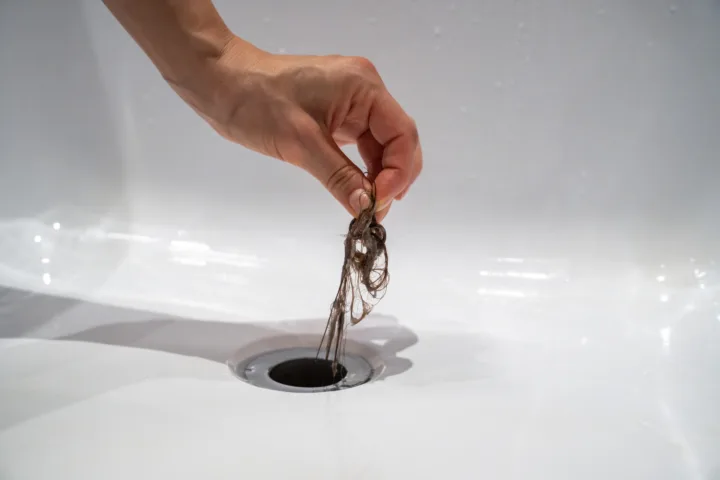
Hair. Grease. Soap scum. Food scraps. Those four culprits cause almost every clog I have ever faced. Bathroom drains love hair and product buildup. Kitchen drains prefer grease and coffee grounds. The P-trap under the sink collects the worst of it because that U-shaped pipe holds water on purpose. Anything that sticks there stays until someone digs it out.
I once ignored a slow kitchen sink for three weeks. The eventual clog felt personal. Grease had hardened into a thick plug that laughed at boiling water. Lesson learned. Catch problems early and they stay small.
Start Simple: Hot Water and Household Basics
I always begin with heat. Boiling water costs nothing and clears light grease clogs more often than I expect.
Bring a full kettle to a boil. Pour it down the drain in two or three stages. Wait five seconds between pours so the heat has time to work. Run the faucet afterward and watch. If the water moves faster, you just won a round.
When heat alone fails, I reach for baking soda and vinegar. Pour half a cup of baking soda straight into the drain. Follow it with one cup of white vinegar. The fizz starts immediately. Cover the opening with a cloth or stopper and let the mixture sit for fifteen minutes. Flush with hot water. The reaction loosens organic buildup without harsh chemicals.
For kitchen sinks heavy on grease, I skip the vinegar and use dish soap instead. Squirt a generous amount of liquid soap into the drain. Let it sit five minutes. Pour boiling water after it. The soap cuts the grease and the heat carries it away. IMO this combo works better than most store cleaners for early kitchen clogs.
These pantry methods clear mild problems. Stubborn clogs need more force.
Never add bleach or commercial drain cleaner to the baking soda and vinegar treatment, because leftover chemicals can create hazardous reactions.
The Plunger Method That Actually Works
A good plunger still ranks as my favorite tool for most clogs. I keep a cup-style plunger dedicated to sinks and tubs. Never use the one that lives by the toilet.
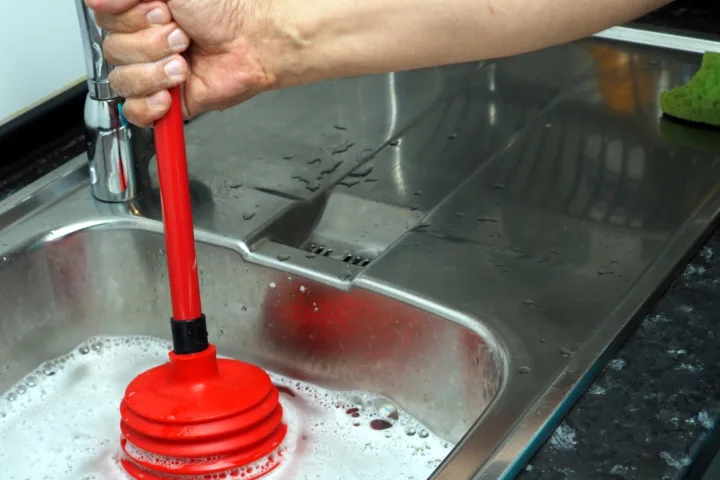
Remove any stopper or strainer first. Cover the overflow hole with a wet cloth so the pressure stays focused on the clog. Add enough water to cover the plunger cup. Place the plunger over the drain at an angle so water fills the cup, then straighten it for a tight seal.
Push down firmly and pull up in quick strokes. Do this fifteen to twenty times. Check the water level. Repeat if needed. The push-and-pull motion breaks the clog free instead of just shoving it deeper.
I once cleared a bathtub clog this way after the water sat for two days. The first few plunges felt useless. Then the water dropped with a satisfying gurgle. Pure relief.
For a double-bowl sink, seal the second drain with a stopper or wet cloth before plunging, or pressure will escape.
Hair Snakes and Zip Tools for Bathroom Drains
Hair clogs respond best to tools designed to grab them. I keep a pack of plastic drain snakes with barbs. They cost almost nothing and work surprisingly well.
Remove the drain cover or stopper. Insert the tool straight down. Twist and push until you feel resistance. Pull it out slowly. Expect a disgusting clump of hair and soap. Repeat until the tool comes out clean. Flush with hot water.
These tools reach only a couple of feet, so they handle surface clogs best. Deeper blockages need a real drain snake or auger. I own a small hand-crank model that extends about twenty-five feet. Feed the cable into the drain while turning the handle. When you hit the clog, keep turning so the corkscrew end digs in. Pull everything out together. Clean the cable before you store it.
FYI, always wear gloves. The stuff that comes out of a clogged drain is never pretty.
If chemical drain cleaner was recently used, avoid snaking until the drain is thoroughly flushed, since caustic liquid can splash onto you.
Cleaning the P-Trap Yourself
When plunging and snaking fail, the P-trap usually holds the answer. This step feels intimidating the first time. It gets easier fast.
Place a bucket under the trap. Loosen the slip nuts by hand or with pliers. Slide the trap free and dump the contents into the bucket. Look inside both openings for debris. Clear any blockage with a bottle brush or your fingers. Rinse the trap under the faucet.
Reassemble everything by hand first, then give the nuts a final snug turn. Run water and check for leaks. If water backs up from the pipe that goes into the wall, the clog sits farther down the line. That is when I reach for the longer snake.
I cleaned my kitchen P-trap last winter after a Thanksgiving gravy incident. The trap held a solid mass of congealed fat and potato peels. Removing it felt like winning a small war.
Replace flattened or cracked slip-joint washers before reassembly; tightening nuts further will not reliably stop leaks caused by damaged seals.
When Chemical Cleaners Make Sense (and When They Do Not)
I avoid harsh chemical cleaners most of the time. They can damage older pipes and create a dangerous mess if something goes wrong. Enzyme-based cleaners sit in a safer middle ground. They use bacteria and enzymes to break down organic material over time. Pour according to the label, wait the recommended hours, and flush.
Caustic gels work faster on hair and soap but require more caution. Never mix different cleaners. Never use them if you already poured vinegar or other household acids. The reaction can create toxic fumes.
I reach for chemicals only after mechanical methods fail and only when I plan to flush the pipes thoroughly afterward. Prevention beats cleanup every single time.
Prevention Habits That Actually Stick
Clearing a clog feels good. Keeping drains clear feels better. I installed simple mesh strainers in every bathroom sink and shower. They catch hair before it travels. Kitchen sinks get a similar basket that stops food scraps.
Once a week I pour a kettle of hot water down each drain. Once a month I run the baking soda and vinegar treatment as maintenance. These small habits cut my clog frequency dramatically.
I also stopped pouring grease down the kitchen sink. That single change made the biggest difference. Grease hardens as it cools and builds layer by layer. Wipe pans with a paper towel first. Toss the towel. Your future self will thank you.
When to Call a Professional
Some clogs belong to the pros. Multiple drains backing up at once usually means a main line problem. Persistent clogs after you cleaned the trap and snaked the line often signal deeper issues. Old pipes or roots invading the sewer line sit outside most DIY skill sets.
I called a plumber two years ago after a basement floor drain flooded during heavy rain. The camera inspection showed a collapsed section of pipe. No amount of plunging would have fixed that. Paying for the repair hurt less than living with the mess.
Trust your instincts. If the water still sits after every method on this list, pick up the phone.
Frequently Asked Questions
How do I know if my clog is too deep for home methods? If you cleaned the P-trap, used a full-length snake, and the water still refuses to move, the blockage likely sits beyond the reach of household tools. Call a plumber at that point.
Can I use baking soda and vinegar to unclog a drain with standing water? Yes, but remove as much standing water as possible first so the mixture reaches the clog. The reaction works better when the powders and liquids contact the blockage directly.
Is it safe to pour boiling water down PVC pipes? Hot water from a kettle is fine for most modern PVC. Avoid continuous streams of rolling-boil water for long periods on older or thinner plastic. Short pours work safely in my experience.
What is the fastest way to unclog a shower drain full of hair? Remove the cover, grab a plastic hair snake, and pull out the clump. Follow with a hot water flush. This sequence clears most shower clogs in under ten minutes.
Should I use a plunger on a clogged kitchen sink with a garbage disposal? Turn off the power to the disposal first. Plunge only after you confirm the unit is not jammed. If the disposal itself is stuck, use the hex key on the bottom to free the blades before plunging.
Final Thoughts From the Drain Trenches
Clogs happen. They always will. The difference between a minor annoyance and a flooded floor comes down to how fast you act and which tools you reach for first. I keep a basic kit under the sink now: plunger, plastic snakes, baking soda, vinegar, and a pair of gloves. That small collection handles ninety percent of the problems that used to ruin my evening.
Next time water sits where it should not, start with heat. Move to mechanical tools. Save the chemicals for last. And when the clog laughs at everything you throw at it, call someone who owns a camera and a bigger snake. Your pipes (and your sanity) will appreciate the restraint.
I still get that small surge of satisfaction every time a stubborn drain finally clears. The water drops. The gurgle returns. Order is restored. That feeling never gets old.