
I stood there staring at rising water and zero options. No plunger in sight. The nearest store closed. That night taught me everything about how to unclog a toilet without a plunger using only what sat under my sink and in the closet.
I used to panic every single time. Honestly? I almost called a plumber once for something that took ten minutes and a bottle of dish soap. Now I keep a short mental checklist. You can too.
This is the exact process I follow. It works for soft clogs from paper and waste. It fails on toys or wipes most of the time. I learned that the hard way.
Stop the Overflow First
Do this before anything else.
Lift the tank lid. Reach in and push the flapper down so it seals. Unhook the chain if needed so it stays closed. That cuts off new water.
I skip this step once. The floor paid the price. Towels everywhere. Lesson stuck.
If the bowl already sits near the rim, scoop some water out with a cup into a bucket. Leave the bowl about half full. You need room to work.
My Go-To Method: Dish Soap and Hot Water
This one clears most of my clogs.
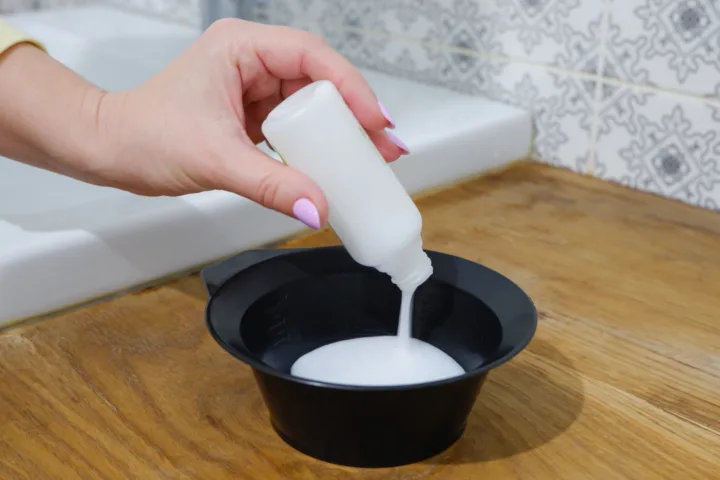
I pour half a cup of liquid dish soap straight into the bowl. Any brand works. The soap coats the clog and the trap. Everything gets slippery.
Next I fill a bucket with hot water from the sink. Not boiling. Boiling can crack porcelain. Hot enough that you pull your hand back works fine.
I pour that water from waist height. The extra force helps. Then I wait. Ten to fifteen minutes is my sweet spot. Sometimes twenty.
Flush after that. If the water drops, you win. If not, I repeat once.
IMO this beats every other first try. The soap does the real work. The hot water softens paper and waste. Together they slide the mess through.
I fixed three clogs in a row with this combo last winter. No tools. No mess beyond the initial scare.
If the bowl is already near the rim, skip flushing and remove some water first to prevent an overflow during testing.
Baking Soda and Vinegar When Soap Falls Short
Some clogs laugh at soap. That’s when I switch.
I remove water until the bowl sits half full. Then I dump one cup of baking soda right in the center. Slow pour of two cups white vinegar follows.
The fizz starts right away. It looks dramatic. The bubbles agitate soft material and help break it apart.
I let it sit thirty minutes. Sometimes I add a gallon of hot water after the fizz dies. Then flush.
This method feels slower. It works best on partial clogs. Full blockages need more force.
I keep boxes of both under the sink now. Cheap. Always ready.
The Wire Hanger Trick for Stubborn Spots
When the clog sits close to the opening I can see it or poke it.
I straighten a wire coat hanger completely. I wrap the end with a small rag or tape so it cannot scratch the porcelain. Then I feed it into the drain and poke around.
Push. Twist. Pull a little. The goal is to break the clog into pieces or hook something and tug it free.
Wear gloves. This part gets gross. I hold my breath the first few times.
This method reaches only so far. Deep clogs laugh at a hanger. Still, it saved me twice when paper formed a plug right at the bend.
FYI: if you feel solid resistance that will not move, stop. You might push the problem farther or damage the trap.
Never use a wire hanger after adding chemical drain cleaner, since poking can cause corrosive liquid to splash onto skin or eyes.
The 2-Liter Bottle Pressure Hack
Empty soda bottle. Warm water. Thumb over the opening.
I fill the bottle. Cover the top with my gloved thumb. Invert it and press the neck into the drain hole. Remove my thumb and squeeze hard.
The forced water acts like a mini plunger. Pressure builds and often shoves the clog forward.
I do this after removing excess water from the bowl. Mess happens if you skip that step. Ask me how I know.
This one feels satisfying when it works. The bottle collapses in your hands and the water level drops. Instant relief.
Extra Moves That Sometimes Help
Lift the Flapper for Head Pressure
Open the tank. Lift the flapper and hold it open. Let the full tank dump into the bowl at once. The sudden volume can push a soft clog through.
I use this after soap or before I try the hanger. It adds force without extra tools.
Toilet Brush as a Soft Snake
Wrap the bristles in a plastic bag. Secure with a rubber band. Plunge up and down in the drain opening. The bag creates a seal and some suction.
Less effective than a real plunger. Better than nothing when the clog sits high.
Plastic Wrap Seal
Stretch plastic wrap over the bowl rim. Press down in the center. The pressure you create can force water past the clog.
I tried this once out of curiosity. It worked on a mild backup. Not my favorite, but it belongs on the list.
What Never Works for Me
Boiling water. Risk of cracked porcelain is real.
Harsh chemical drain cleaners. They sit in the bowl and can damage seals or create fumes. I avoid them.
Repeated flushing while the water stays high. That only makes a bigger flood.
I also skip bleach mixed with anything else. Bad reactions happen.
When to Stop and Call Someone
If none of these clear the toilet after two full rounds, the clog lives deeper. Main line issues or foreign objects need a real snake or a plumber.
I once spent an hour on a clog caused by a plastic toy. Hanger could not reach it. Soap did nothing. The plumber pulled it out in minutes. Money well spent.
Trust your gut. If the water never moves and you smell sewage, stop DIY.
Prevention That Actually Sticks
I stopped flushing anything but human waste and toilet paper. Wipes claim they flush. They lie.
I keep a small trash can next to the toilet for everything else.
Every few months I pour a little dish soap and hot water down as a preventive. No science behind it. Just a habit that seems to help.
Less paper at once also helps. I teach guests the same rule.
Frequently Asked Questions
Can I really learn how to unclog a toilet without a plunger using only kitchen items?
Yes. Dish soap, baking soda, vinegar, and hot water clear most soft clogs in my house. I keep them stocked for this exact reason.
How long should I wait after pouring hot water and soap?
I wait at least ten minutes. Fifteen is better. Rushing the flush often undoes the progress.
Does the wire hanger method damage the toilet?
It can scratch porcelain if you leave the end bare. I always wrap it. Go slow and stop if you feel hard resistance.
What if the toilet overflows while I try these methods?
Scoop water into a bucket first. Keep the flapper closed. Put towels on the floor before you start. Preparation beats cleanup.
Is baking soda and vinegar safe for every toilet?
It is gentle. I use it on older toilets without issue. Just avoid mixing it with other cleaners in the same session.
I keep these steps simple on purpose. Panic makes everything worse. A calm checklist beats frantic searching every time.
Next time the water rises and you find no plunger, try the soap and hot water first. Most days that alone finishes the job. You will feel the same quiet satisfaction I felt the first time the level dropped without calling anyone.
Keep a spare bucket and some gloves under the sink. Future you will thank present you.