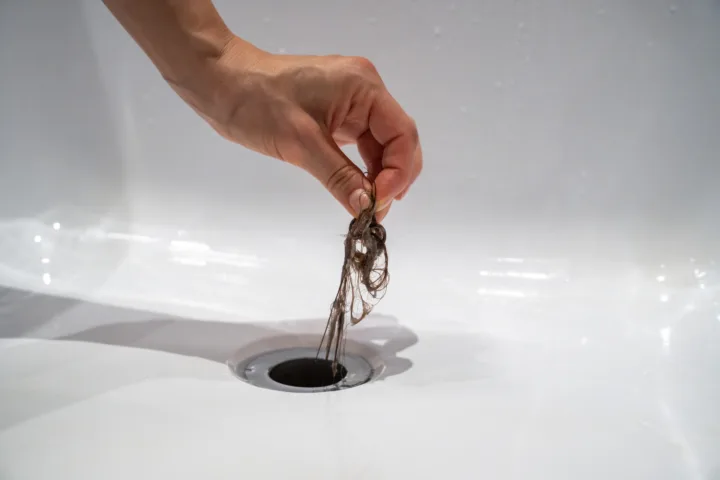

I stood there staring at a pool of murky water in my bathroom sink last winter. Hair, toothpaste gunk, and soap scum had turned a simple rinse into a slow-motion disaster. I needed to unclog sink bathroom problems right then, and I refused to shell out for a plumber again.
That moment changed how I handle these clogs. I tried the usual tricks, failed a few times, and finally landed on methods that clear the drain fast. No harsh chemicals. No fancy tools I had to order online. Just stuff most of us already own.
Honestly? I felt pretty defeated the first few times it happened. Standing water after brushing my teeth is gross. It smells. It makes the whole bathroom feel off. But once I figured out the pattern, the fixes got simple. You can do this too.
Bathroom sink clogs almost always come from the same mix: hair wrapping around the stopper, sticky soap residue, and bits of toothpaste. The good news is these buildups sit close to the surface most of the time. You rarely need to go deep into the pipes.
Why Bathroom Sink Clogs Happen So Often
I used to blame my long hair. That was only half right. Hair starts the problem, but soap and toothpaste finish it. They form a sticky paste that grabs every strand that falls in.
See, the pop-up stopper in most bathroom sinks is a perfect trap. Hair wraps around the base. Then the gunk hardens. Water slows to a trickle. Then it stops.
I noticed this pattern after three separate clogs in one year. Each time I pulled the stopper, I found the same wet, tangled mess. FYI, gloves help a lot here.
Prevention is easier than the fix. I now wipe the stopper once a week. That single habit cut my clogs by more than half. Still, clogs happen. When they do, I follow a clear order.
A small mesh hair catcher intercepts strands before they reach the pop-up stopper, but empty it frequently so soap residue cannot accumulate.
Start Simple: Remove the Stopper and Pull the Hair
This step clears the clog for me about 70 percent of the time. I skip straight past the baking soda experiments now.
First I lift the stopper. Most pull straight up or twist a quarter turn. Some need me to reach under the sink and loosen a small nut on the pivot rod. I keep a bucket ready because water can spill.
Once the stopper is out, I see the hair right away. It looks like a wet nest. I grab it with paper towels or wear gloves and pull. Gross, yes. Effective, more yes.
I run hot tap water for a full minute after that. The drain often clears immediately. If water still sits, I move to the next method.
Key takeaway: Most bathroom sink clogs live right at the stopper. Pull that first.
Use hot tap water, not boiling water, because extreme heat can stress bathroom sink seals and plastic drain components.
The Plunger Method That Actually Works
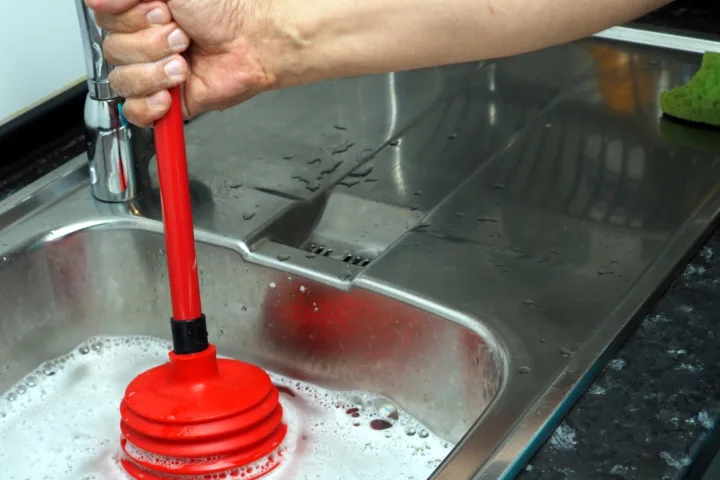
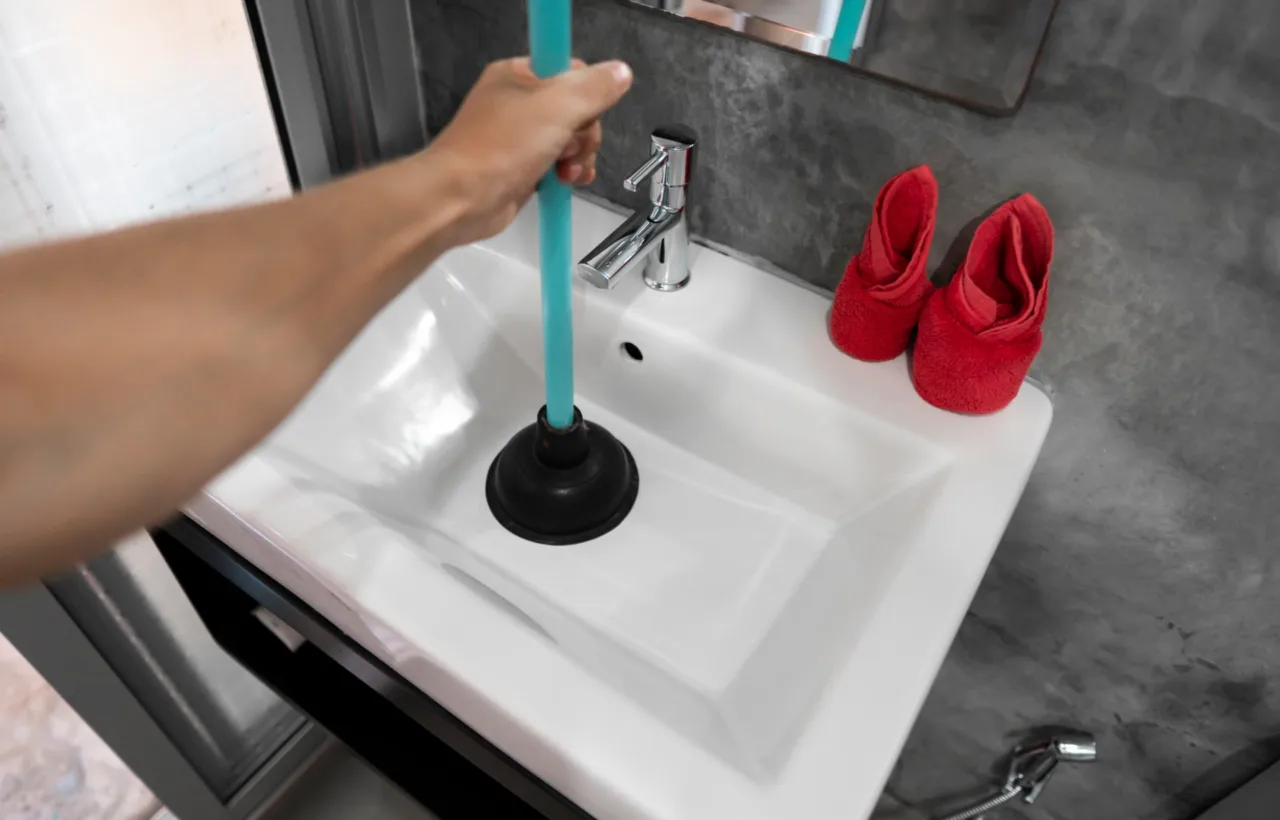
I used to think plungers were only for toilets. Wrong. A flat-cup sink plunger works better than the toilet kind on bathroom sinks.
Here’s exactly what I do:
- Cover the overflow hole with a wet rag. This forces the pressure down the drain instead of up the overflow.
- Add enough water to cover the plunger cup by an inch.
- Place the plunger firmly over the drain.
- Push and pull straight up and down for 20 to 30 seconds.
- Lift and check.
I usually need two or three rounds. The water starts moving with a satisfying gurgle. That sound means success.
One time the plunger failed me because I forgot the overflow rag. Pressure escaped. Lesson learned. Now I never skip that step.
If the plunger does nothing, the clog sits deeper. Time for the next tool.
Baking Soda and Vinegar: When It Helps and When It Doesn’t
I tested this combo more times than I care to admit. It works on light soap scum. It does almost nothing on thick hair clogs.
Still, I use it as a follow-up. After pulling hair and plunging, I pour half a cup of baking soda down the drain. Then I add one cup of white vinegar. The fizz starts right away. I cover the drain with a rag and wait 15 minutes.
Hot water flushes everything out after that. The reaction loosens leftover residue. Pipes feel cleaner.
IMO, this method shines as maintenance more than emergency repair. I run it once a month now. Clogs stay away longer.
Some plumbers call this a waste of time. I disagree for light buildup. For heavy hair, I skip it and go mechanical.
Never combine vinegar with bleach or commercial drain cleaner, and flush the drain thoroughly before using any other product.
Drain Snakes and Zip Ties: My Favorite Cheap Tools
I bought a pack of plastic drain snakes for under $10. Best small purchase I made for the bathroom.
These thin plastic strips have little barbs. I push one into the drain, twist, and pull. Hair comes out in clumps. The first time I did this, I pulled a six-inch mat of hair and gunk. Disgusting. Effective.
Zip ties work in a pinch. I cut the ends at an angle and notch the sides to create barbs. Same idea. I slide it down, twist, and yank.
Steps I follow:
- Remove the stopper if it’s still in.
- Insert the snake or zip tie slowly.
- Twist and push until I feel resistance.
- Pull straight up.
- Wipe the tool clean and repeat.
I keep a few of these in the bathroom cabinet now. They take two minutes and save me from deeper work.
One warning: never force a metal hanger too hard. I bent a pipe once that way. Plastic snakes stay safer.
Cut zip-tie notches so their edges face backward toward your hand, helping hair catch during withdrawal instead of sliding deeper.
When I Clean the P-Trap
This step feels scary the first time. It is not. I did it twice and now treat it like routine.
The P-trap is the U-shaped pipe under the sink. Clogs love to sit there.
I place a bucket under the trap. I loosen the two slip nuts by hand or with pliers. The trap drops into the bucket with a splash of dirty water. I clean it out with an old brush or my fingers (gloves on). Hair and black sludge come out every time.
I rinse the trap in the other sink or outside. Then I reassemble. Hand-tight is usually enough. I run water and check for leaks.
The whole job takes 10 to 15 minutes once I get the hang of it. I only do this after the easier methods fail.
Pro tip from my own mess-ups: Photograph the pipe setup before you take it apart. Reassembly gets simpler.
If a slip-nut joint drips after reassembly, inspect the conical washer for misalignment or cracks instead of overtightening it.
Hot Water and Dish Soap for Soft Buildup
Sometimes the clog is more grease and soap than hair. Hot water mixed with a squirt of dish soap helps.
I boil a kettle. I add a tablespoon of dish soap. I pour it slowly in stages. Each pour sits for 20 seconds. The heat softens the residue. Soap breaks the surface tension.
This method works best after I already removed the big hair clumps. Alone, it rarely clears a full stoppage.
I avoid boiling water if my pipes are plastic. Hot tap water is safer then. I learned that the hard way after a slight warping scare years ago.
Tools I Keep on Hand Now
I built a small kit after dealing with too many clogs. Here is what stays under my sink:
- Rubber gloves
- Flat-cup plunger
- Plastic drain snakes (pack of five)
- Old toothbrush for scrubbing the stopper
- Baking soda and white vinegar
- Small bucket
- Wet rags for the overflow hole
Nothing costs much. Everything fits in a small plastic bin. When the sink slows, I grab the kit and start.
I used to run to the store every time. That ended once the kit existed.
Prevention Habits That Actually Stick
Fixing the clog is half the battle. Keeping it gone is the other half.
I wipe the stopper every Sunday while I clean the bathroom. Takes 30 seconds. I also run hot water for a minute after each shower or bath. Hair that falls in the sink gets flushed before it sticks.
Once a month I do the baking soda and vinegar rinse. It keeps residue from building.
I stopped letting floss or cotton swabs near the sink. Those create hard clogs that need the snake every time.
These small habits cut my clog frequency from monthly to maybe twice a year. Worth the tiny effort.
Frequently Asked Questions
How long does it usually take to unclog sink bathroom drains with these methods? Most times I clear it in under 15 minutes. Pulling the stopper and hair takes five. Plunging or snaking adds another five to ten. The P-trap job runs longer, about 15 minutes total.
Can I use chemical drain cleaners on a bathroom sink? I avoid them completely. They can damage pipes and leave a mess if they fail. Mechanical methods work better and safer for the hair-and-soap clogs that hit bathroom sinks.
What if the water still drains slowly after everything? I check the P-trap again or call a plumber at that point. A deeper clog or vent issue sometimes sits beyond DIY range. I only reached that stage once in five years.
Is boiling water safe for all bathroom sinks? Not if the pipes are plastic or the sink is porcelain. I stick to very hot tap water in those cases. Boiling water can crack or warp the wrong materials.
How often should I clean the stopper to prevent clogs? Once a week works for me. A quick wipe with a paper towel removes the hair before it builds. Monthly vinegar rinses help too.
I used to dread the moment the sink stopped draining. Now I treat it like any other small household task. Pull the stopper. Grab the snake. Plunge if needed. Clean the trap only when the easy steps fail.
You can handle this. Start with the stopper. That single move solves most of the problem. Keep a couple of plastic snakes nearby. Run hot water after you finish.
The next time standing water appears, you already know the steps. No panic. No expensive call. Just a clear drain and a bathroom that works again.