
Standing water in my kitchen sink used to ruin my entire morning. I spent years fumbling with random tips before I figured out how to unclog a kitchen sink the way that actually sticks. Grease from last night’s dinner. Coffee grounds I swore I rinsed well enough. That one time I let a potato peel slip through. All of it piled up until the water just sat there staring at me.
I used to panic. Call a plumber. Pay the fee. Feel like I’d failed at adulting. Then I started treating the problem like a puzzle I could solve myself. Here’s everything I learned the hard way, told the way I wish someone had told me.
Why Kitchen Sinks Clog in the First Place
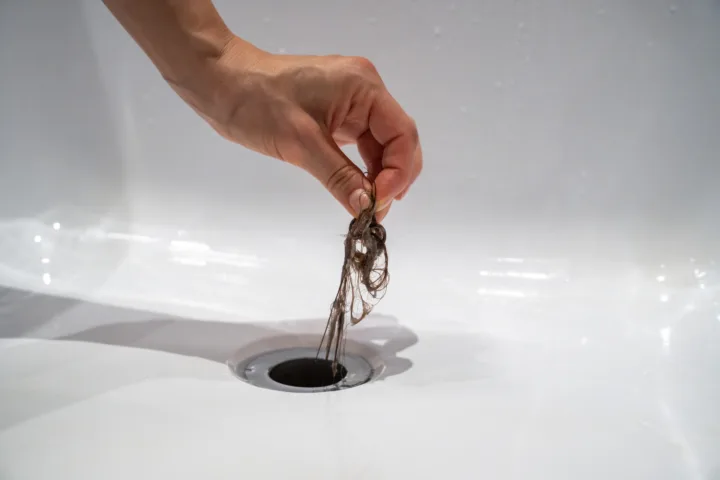
Kitchen sinks collect a different kind of mess than bathroom ones. Grease cools and hardens. Food particles stick. Soap scum builds a sticky layer. Over time that combination turns into a solid plug.
I noticed the pattern in my own house. Slow drain first. Then standing water. Then the smell. Honestly? The smell always showed up right when I had guests coming over.
Most clogs live in one of three spots:
- Right at the disposal if you have one
- Inside the P-trap under the sink
- Further down the pipe where grease has layered for months
Knowing the location changes everything. Treating a grease clog like a hair clog wastes time.
My Go-To First Steps When the Sink Stops Draining
I always start simple. No fancy tools. Just what I already own.
Bail standing water into a bucket first, exposing the drain opening so a plunger can form a tight seal.
Check the Garbage Disposal First
If the disposal is the culprit, everything else fails. I flip the switch. If it hums but nothing spins, I cut the power at the breaker. Then I press the red reset button on the bottom. Most of the time that clears a jammed impeller.
Never stick your hand in while it’s powered. I learned that the scary way once. Lesson stuck.
Boiling Water for Light Grease
Metal pipes handle heat better than plastic. I boil a full kettle. Remove the standing water with a cup. Pour the boiling water in a steady stream. Wait. Test the drain.
This works on soft grease. Hardened stuff laughs at it. Still, I try it every time because it costs nothing.
The Baking Soda and Vinegar Trick
One cup baking soda. One cup white vinegar. Cover the drain. Let the fizz do its thing for fifteen minutes. Flush with hot water.
I use this monthly even when nothing is clogged. It keeps the pipes cleaner. For a full stoppage it sometimes needs a second round. FYI, this is gentler than chemical cleaners and doesn’t leave a chemical smell in the kitchen.
When the Simple Stuff Fails: Plunging Like I Mean It
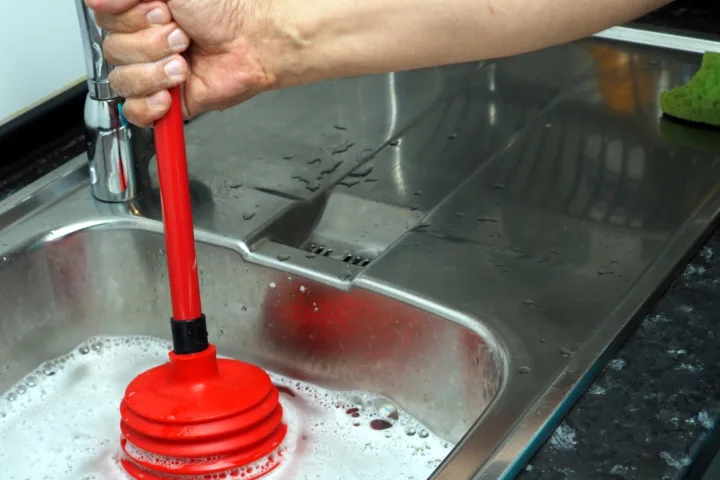
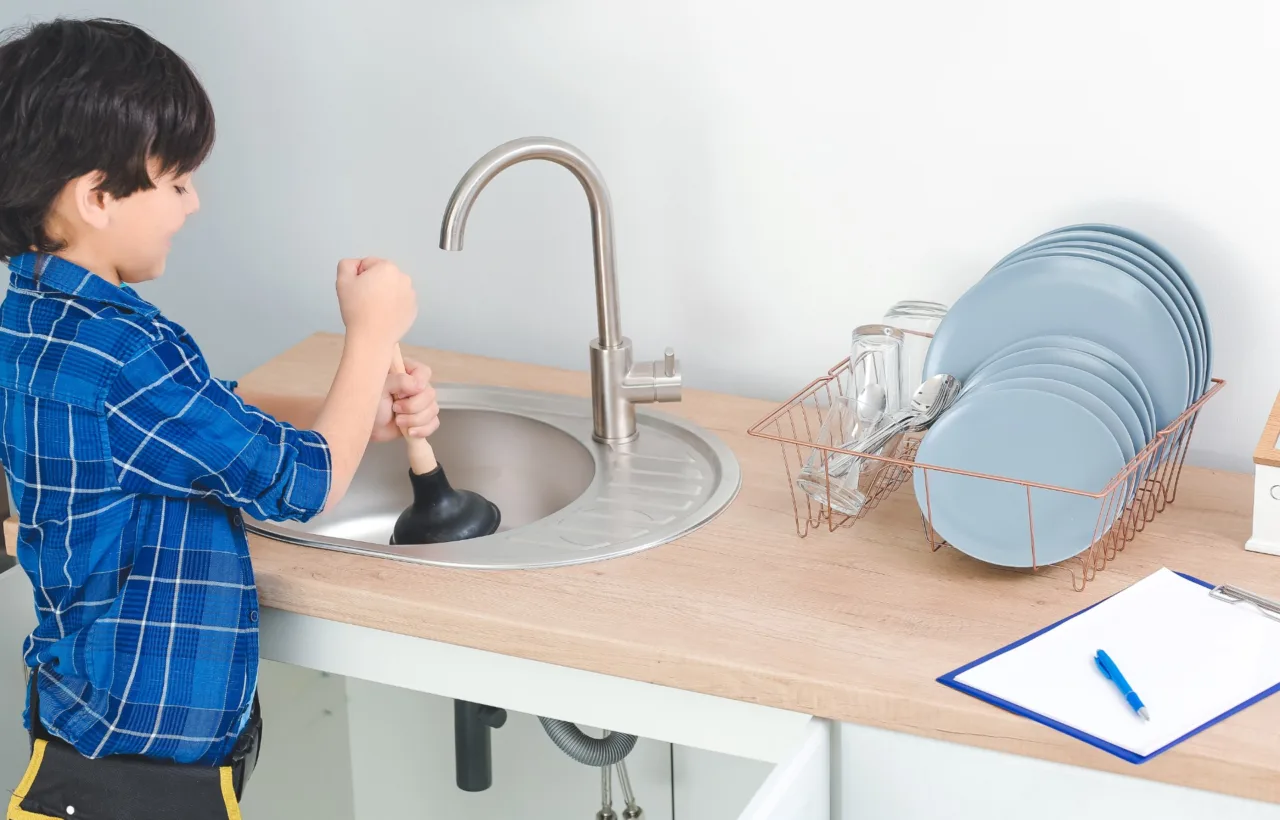
A proper sink plunger looks different from a toilet one. Flat rim. Wider cup. I keep one just for the kitchen now.
Here’s how I do it:
- Fill the sink with a few inches of water so the plunger cup sits underwater
- Plug the other side of a double sink with a wet rag
- Cover any overflow holes the same way
- Press down hard to seal
- Use short, fast thrusts. Twenty or thirty of them
- Pull up sharply and check
If the water moves, I run hot water for a full minute. That flushes the loosened mess further down. One good plunging session clears more clogs than I expected when I first started.
Cleaning the P-Trap: The Step That Actually Works Most Often
This is the part I avoided for years because it looked messy. Then I tried it once. Cleared a clog that had beaten every other method.
I put a bucket under the U-shaped pipe. Loosen the slip nuts by hand or with pliers. Drop the trap into the bucket. Gloves on. Pull out whatever is sitting in there. Rinse the trap with hot water. Reattach everything snug but not overtightened.
Seventy to eighty percent of the kitchen clogs I deal with live right there. Food scraps. Coffee grounds. A weird little ball of grease. Once that trap is clean, the sink usually drains like new.
When I Reach for a Drain Snake
Sometimes the clog sits past the trap. That’s when I pull out the hand snake.
I feed the cable into the drain until I feel resistance. Rotate the handle clockwise while pushing gently. Pull back. Clean the head. Repeat until the cable moves freely. Flush with hot water afterward.
A cheap plastic hair snake works for light stuff near the top. For deeper clogs I prefer a real cable auger. Both cost less than one plumber visit.
I keep the snake in a plastic bag under the sink now. Ready for the next round.
What I Refuse to Use Anymore
Chemical drain cleaners used to sit under my sink. I stopped buying them. They can damage older pipes. They create a dangerous mix if you later need to open the trap. And they often just push the clog further down where it becomes someone else’s expensive problem.
Enzyme cleaners are different. They eat organic matter slowly and safely. I use those for prevention, not emergency unclogging.
How I Keep the Sink From Clogging Again
Prevention beats rescue every time.
I scrape plates into the trash before rinsing. I run cold water while the disposal works. Hot water after washing dishes helps keep grease moving. Once a month I do the baking soda and vinegar routine even if the sink feels fine.
I also stopped pouring grease down the drain. Ever. It goes in a jar, cools, and hits the trash. That single change cut my clog frequency in half.
Tools I Keep Under the Sink Now
Here’s my short list that lives in a small bin:
- Dedicated sink plunger
- Pair of rubber gloves
- Small bucket
- Channel-lock pliers
- Hand drain snake
- Baking soda and white vinegar
That’s it. No chemical bottles. No expensive gadgets. These cover almost every situation I run into.
Frequently Asked Questions
Can I unclog a kitchen sink with just boiling water? Sometimes yes, if the clog is soft grease and your pipes are metal. I always try it first because it costs nothing, but hardened clogs usually need more force.
Is it safe to use a plunger on a sink with a garbage disposal? Yes, as long as the disposal is off and you seal the other side of a double sink. I’ve done it dozens of times without issue.
How often should I clean the P-trap to unclog a kitchen sink before it gets bad? I check mine every six months or whenever the drain slows. It takes ten minutes and prevents the full emergency.
What if water backs up into the dishwasher or the other sink basin? That usually means the clog sits further down the shared line. I snake from the wall cleanout if I can reach it. If not, I call a pro.
Do enzyme cleaners really help prevent future clogs? They help more than nothing. I use them monthly after the baking soda treatment. They keep the organic film from building as fast.
Final Thoughts From Someone Who Used to Call the Plumber Too Often
I used to treat a clogged sink like a crisis. Now I treat it like a ten-minute chore. The first time I cleaned the P-trap myself and watched the water rush down, I actually laughed out loud in the kitchen. That small win changed how I look at every household problem.
You already own most of what you need. Start with the simple steps. Move to the trap when those fail. Keep the tools handy so the next clog feels ordinary instead of stressful.
Your sink will clog again. Mine does. The difference is I no longer dread it. I just grab the bucket and get it done.