
I spent years staring at a big closet that still felt too small. Clothes piled up. Shoes vanished. Accessories tangled themselves into knots overnight. I needed real 18 large closet organization ideas that worked for actual space, not just pretty photos. So I tested what stuck in my own walk-in and kept what earned its keep.
Honestly? The breakthrough came when I stopped treating the closet like storage and started treating it like a room with jobs to do.
Why a Large Closet Still Feels Messy
More square footage does not equal more order. I learned that the hard way. Extra space invites extra stuff. Without clear zones, everything drifts into the middle of the floor.
See, the problem is not the size. The problem is the lack of intentional structure. I used to dump clean laundry on the island and call it a day. That stopped working the moment I had to dig for a single pair of jeans at 7 a.m.
Large closets reward systems that use height, corners, and center space. They punish open floors and single rods. I shifted my approach and the difference showed up fast.
18 Large Closet Organization Ideas That Changed Everything for Me
I pulled these from months of trial, error, and a few mild tantrums. Each one earns its place because it solves a specific pain point I actually felt.
1. Create Clear Clothing Zones by Category
I divided the walls into hard zones: long hang, short hang, folded, and accessories. Long dresses and coats live on one side. Shirts and jackets double-hang on another. Folded knits claim their own shelves.
This stops the daily scavenger hunt. Everything has a home that matches how I use it. IMO, this single change cut my morning decision time in half.
2. Install Double Hanging Rods Wherever Possible
I added a second rod under the main one for shorter pieces. Shirts go above. Pants or skirts hang below. The dead space that used to waste two feet of height now holds twice as much.
I measure the longest short item first so nothing drags. Simple. Effective. Permanent.
3. Go Floor-to-Ceiling with Shelving
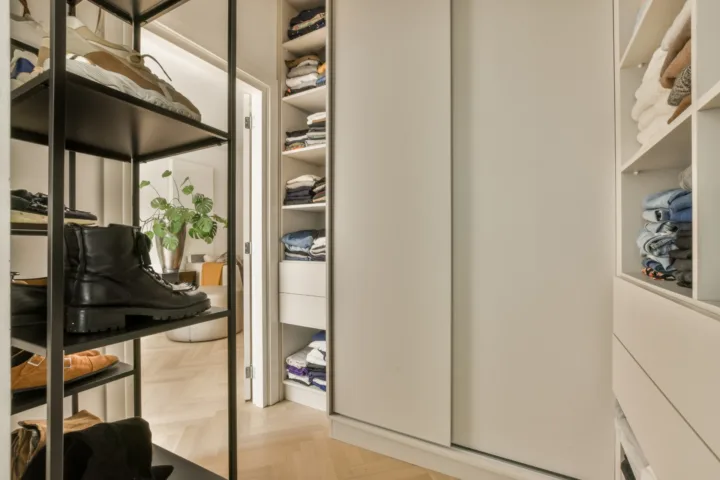
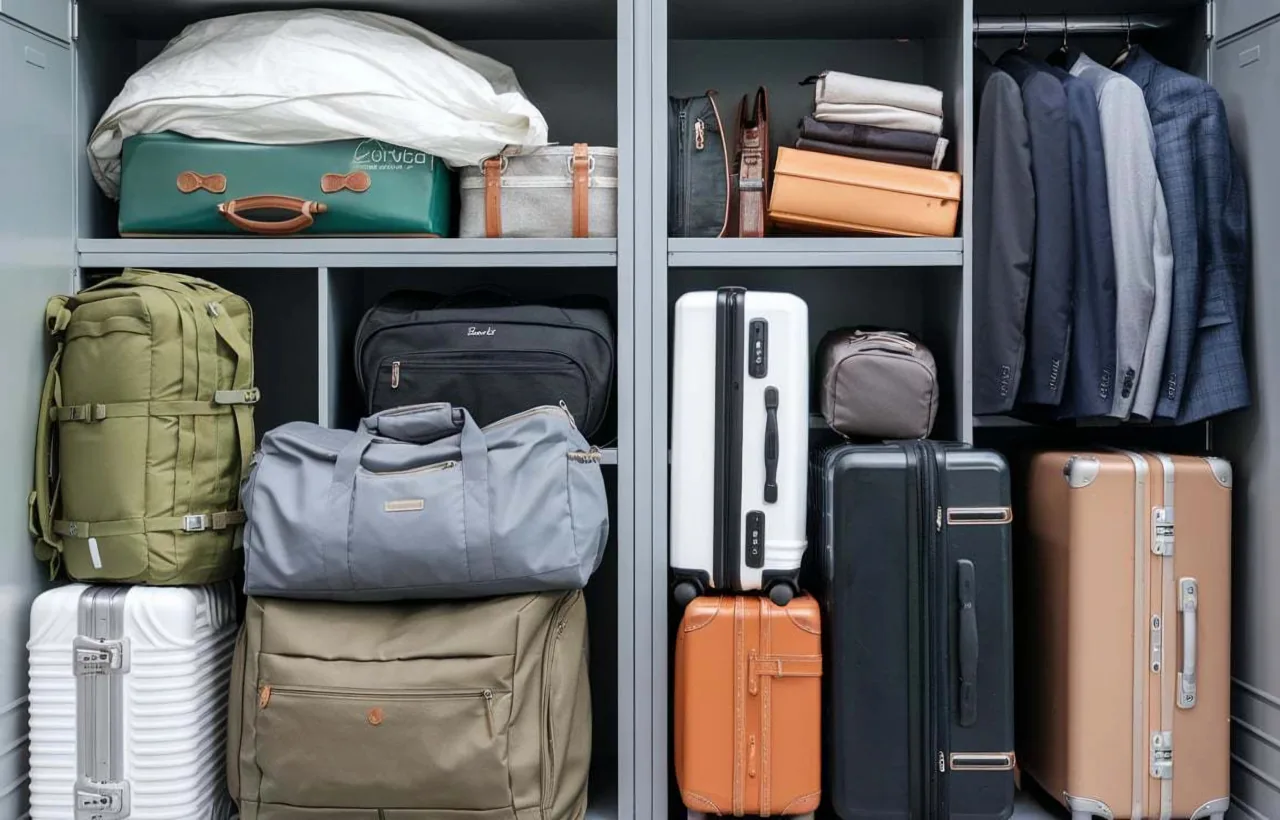
I ran adjustable shelves all the way up. Top shelves hold seasonal bins. Eye-level shelves keep daily sweaters. Bottom shelves handle bags and boots.
Vertical space is free real estate. I stopped leaving the top third empty and the difference in capacity surprised me.
4. Add a Center Island for Folding and Storage
My island holds drawers for socks, underwear, and jewelry. The surface acts as a temporary landing pad for tomorrow’s outfit. I sit on the built-in bench to put on shoes.
Without it the middle of the closet stayed useless. Now it works as hard as the walls.
5. Build Dedicated Shoe Walls or Open Racks
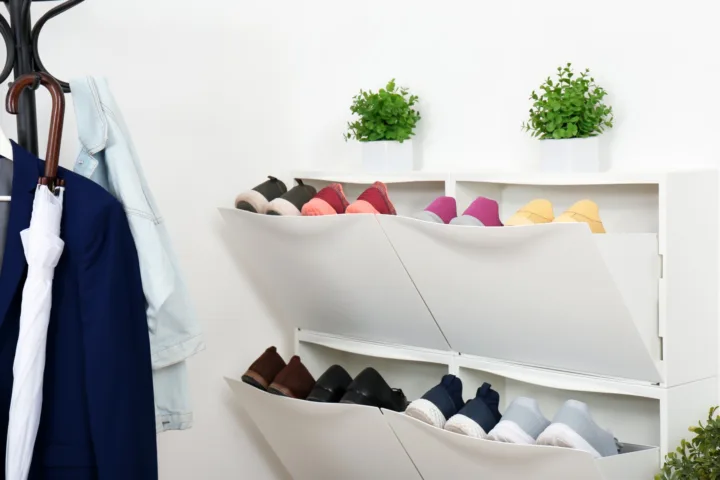
I lined one wall with open shelves for shoes. Daily pairs sit at the bottom. Boots stand taller. Seasonal pairs move up.
No more digging through a pile on the floor. I see every option at a glance and the floor stays clear.
6. Use Matching Slim Hangers Across the Board
I switched everything to the same velvet slim hangers. Clothes hang closer together without looking cramped. The uniform look makes the whole closet feel calmer.
Different hangers create visual noise. Matching ones remove it.
7. Label Every Bin and Basket
I stuck clear labels on every storage bin. Seasonal clothes. Extra linens. Scarves. The labels stay readable from the floor.
I no longer pull down three bins to find one item. Labeling feels basic until you live without it.
8. Install Drawer Organizers for Small Items
I dropped adjustable dividers into every drawer. Socks stay sorted. Jewelry stays untangled. Belts have their own slots.
Drawers used to become black holes. Organizers turned them into usable space.
9. Add Pull-Out Baskets for Everyday Access
I mounted wire pull-out baskets under a hanging section. They hold folded tees and workout clothes. I slide them out instead of reaching into the back.
Fixed shelves force me to dig. Pull-outs keep everything visible and reachable.
10. Create an Accessory Wall with Hooks and Rails
I mounted a simple rail system on one wall. Belts, scarves, and hats hang in plain sight. Bags sit on adjacent shelves.
Accessories used to live in a tangled drawer. Now they earn their own vertical real estate.
11. Use Clear Bins for Visibility
I chose clear plastic bins for anything that needs protection. Sweaters. Off-season shoes. Delicate bags. I see the contents without opening every lid.
Opaque bins hide things. Clear ones keep me honest about what I own.
12. Zone by Frequency of Use
Daily clothes stay at eye level and closest to the door. Occasional pieces move higher or farther back. Formal wear lives in the least convenient spot.
I stop wasting energy on items I wear twice a year. The closet now matches my real life.
13. Add Motion-Sensor Lighting
I installed simple LED strips with motion sensors. Lights turn on the second I walk in. Shadows disappear.
Dark corners used to hide mess. Good lighting makes every zone usable and keeps me from ignoring the high shelves.
14. Include a Valet Rod for Outfit Planning
I added a short pull-out valet rod near the entrance. I hang tomorrow’s full outfit there the night before. Shoes and accessories sit on the island below it.
Mornings feel less frantic. The rod acts like a temporary staging area.
15. Maximize Corners with Specialized Units
I installed a corner unit that rotates or uses angled shelves. Dead corner space now holds bags and extra hangers.
Corners used to collect dust and forgotten items. Now they contribute.
16. Build in a Hamper or Laundry Zone
I carved out a lower cabinet for a tilt-out hamper. Dirty clothes go straight in. The floor stays clear and the smell stays contained.
A large closet without a laundry solution invites piles. Built-in hampers solve that.
17. Color-Code Within Each Zone
Inside each category I sort by color from light to dark. White shirts together. Blues next. Blacks at the end.
Finding a specific piece takes seconds instead of minutes. The visual order also makes the closet look intentional.
18. Leave Breathing Room on Purpose
I force myself to leave 15 to 20 percent of every shelf and rod empty. New pieces have somewhere to land without creating overflow.
A full closet looks tidy for about three days. Empty space keeps it functional long-term.
How I Maintain the System Without Losing My Mind
I do a five-minute reset every Sunday night. I return anything that wandered. I check the top shelves for seasonal rotation. I empty the hamper into the laundry.
FYI, the system only works if I treat maintenance like brushing my teeth. Non-negotiable and quick.
I also follow a simple rule: one item in means one item out. New purchase forces an exit decision. That single habit keeps the volume from creeping back up.
Common Mistakes I Made Before These Ideas Stuck
I used to buy pretty bins without measuring first. They never fit. I ignored vertical space and filled the floor instead. I organized by color across the whole closet instead of by category first.
Those approaches looked good for a photo and fell apart by Wednesday. The ideas above survived real daily use because they match how clothes actually get worn and put away.
Frequently Asked Questions
How do I start organizing a large closet without getting overwhelmed? I empty everything first and sort into keep, donate, and relocate piles. Then I build zones one wall at a time. Starting small keeps the process from feeling endless.
What is the most important of the 18 large closet organization ideas for beginners? I always start with clear category zones and double hanging rods. Those two changes deliver the biggest capacity gain with the least cost.
Do I need custom built-ins or will modular systems work? I used a mix. Modular rods and shelves handled most of the work. I only added custom pieces where the layout demanded it. Modular keeps the budget reasonable while still looking intentional.
How often should I reorganize a large closet? I do a full edit twice a year with the seasons. Weekly five-minute resets handle the rest. Consistency beats big overhauls every time.
Can these ideas work in a shared large closet? Yes. I assign each person their own zones and keep shared items in the center. Clear boundaries prevent the daily turf war.
Final Thoughts
I used to dread opening the closet doors. Now I walk in and everything has a job. The 18 large closet organization ideas above turned a storage room into a functional dressing space that actually supports my mornings.
Start with zones and vertical space. Add the island or shoe wall when you are ready. Keep the breathing room sacred. The rest follows.
Your large closet already has the square footage. These ideas simply teach it how to work for you instead of against you.