Standing water in the tub after every shower used to drive me nuts. I spent months dealing with slow drains, soggy feet, and that sinking feeling that I’d have to call a plumber for something that felt fixable. Learning how to unclog a bathtub drain myself changed that. I figured out the simple steps that clear most clogs fast, and I’m sharing exactly what worked so you can skip the trial and error I went through.
I live in a house with older pipes and a lot of long hair in the family. The drain clogged every few months like clockwork. I tried random tips online, wasted money on bottles that promised miracles, and once almost flooded the bathroom floor. Then I settled on a few reliable methods that actually pull the gunk out instead of just pushing it deeper. These are the ones I still use today.
What Usually Causes the Clog in the First Place
Hair tops the list. It mixes with soap scum and forms a sticky mess right near the drain opening or a little further down in the trap. Soap residue builds up next. Hard water minerals can narrow the pipes over time too. Sometimes a small object like a bottle cap or toy piece slips through.
See, most clogs sit close enough that you can reach them without tearing the whole bathroom apart. That’s the good news. The bad news is that ignoring the early signs (water that sits for a few minutes after you shut off the shower) lets the blockage get denser and harder to clear.
I learned this the hard way after one particularly stubborn clog that took three tries to fix. Once I started checking the stopper area regularly, the big backups almost disappeared.
How to Unclog a Bathtub Drain: My Step-by-Step Process
I always start simple and escalate only if needed. Rushing to the strongest tool first just creates more mess.
Before plunging, cover the bathtub’s overflow opening with a wet cloth to keep pressure focused on the blockage.
Remove the Stopper and Clear What You Can See
This step alone solves the problem more than half the time for me.
Different tubs use different stoppers. Here’s how I handle the common ones:
- Lift-and-turn: Raise it, then twist counterclockwise until it unscrews.
- Push-pull or toe-touch: Unscrew the top or pull straight up after releasing the mechanism.
- Trip-lever: Unscrew the overflow plate on the wall of the tub and pull out the linkage and stopper assembly carefully.
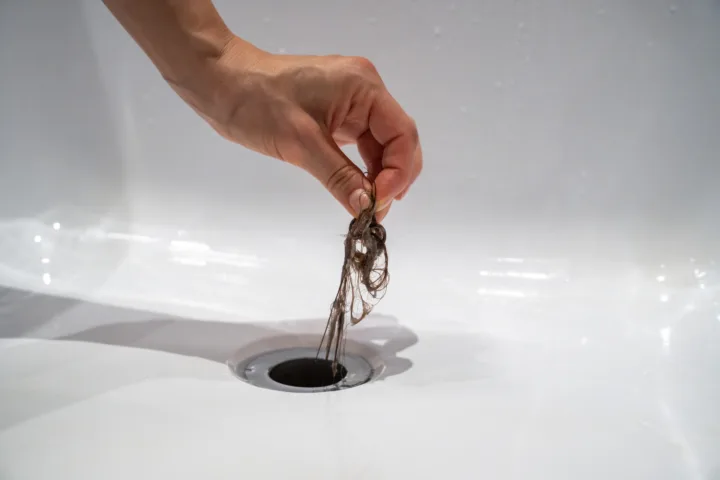
Once the stopper is out, I put on gloves and reach in with my fingers or a pair of needle-nose pliers. I pull out every bit of hair and soap gunk I can see. It looks gross. It always does. But getting that mass out immediately improves the flow.
If the clog sits a bit deeper, I grab a plastic drain stick (those long barbed ones that cost a few bucks). I push it straight down, twist gently, and pull it back out loaded with debris. Repeat until nothing more comes up.
Honestly? This mechanical removal beats every chemical I’ve tried. Chemicals can dissolve some soap but leave the hair intact so it catches more junk later.
Try the Plunger When Water Still Sits
If the drain still drains slowly after clearing the visible stuff, I move to the plunger.
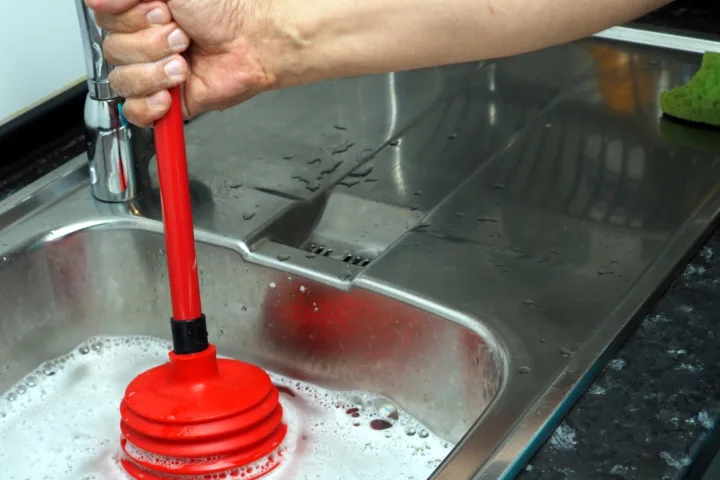
I cover the overflow hole with a wet rag so the suction stays focused on the drain. Then I add a couple inches of water to the tub so the plunger cup seals properly. A flat drain plunger works better than the toilet style for this job.
I place the plunger over the drain and push up and down with firm, steady strokes for about 30 seconds. I pause, check the water level, and repeat if needed. The pressure often breaks loose whatever sits a little further down the pipe.
This method cleared a mid-level clog for me last winter when the plastic stick alone wasn’t enough. Water that had been pooling for ten minutes suddenly whooshed away.
Use Baking Soda and Vinegar for Lighter Buildup
For milder slowdowns I sometimes skip the tools and go natural.
I pour one cup of baking soda down the open drain. Then I add one cup of white vinegar. The fizz starts right away. I let it sit for 15 to 20 minutes while the reaction loosens soap scum and softens leftover debris. After that I flush with hot (not boiling) tap water for a solid minute.
Some people add salt or a squirt of dish soap first. I’ve tried both. Dish soap helps break down oily residue, and I use it when the tub feels greasy. The baking soda and vinegar combo works fine on its own for most light cases though.
IMO this method is best as a follow-up or for prevention rather than a full blockage. It won’t grab a thick hair ball the way a stick or snake does.
Bring Out the Drain Snake for Stubborn Cases
When the first three steps fail, I reach for a small hand auger or drain snake.
I feed the cable into the drain or, better yet, through the overflow opening after removing the plate. I push until I feel resistance, then crank the handle to spin the head so it grabs the clog. I pull it back out slowly, clean the debris off, and repeat until the cable comes out clean.
One time the clog sat past the trap and the plastic stick couldn’t reach. The snake pulled out a surprisingly large clump of hair and soap. The tub drained perfectly afterward. I keep a basic snake in the cabinet now because it saves the day when simpler tools fall short.
Tools I Keep on Hand
You don’t need a full plumbing kit. Here’s what lives under my sink:
- Plastic drain cleaning stick (Zip-It style)
- Flat drain plunger
- Pair of gloves and needle-nose pliers
- Baking soda and white vinegar
- Small hand auger for deeper clogs
That’s it. Everything costs less than a single plumber visit and fits in a small box.
What I Avoid and Why
I stopped using chemical drain cleaners years ago. They can damage older pipes, create fumes, and often just move the problem further down the line without removing the hair. Hot water helps, but boiling water risks warping plastic pipes in some homes, so I stick to very hot tap water.
If water backs up into other fixtures or the clog returns within days, I stop DIY work. That usually means a deeper main line issue that needs professional equipment.
How I Keep the Drain Clear Longer
Prevention saves the most time. I installed a simple hair catcher over the drain. It catches most of the hair before it goes down. Every week or two I pull it out, clean it, and run hot water with a bit of vinegar down the open drain.
I also remind everyone in the house not to rinse heavy products or let small items near the open drain. Small habits add up. My last major clog happened almost a year ago. That track record feels pretty good after the constant problems I used to have.
Frequently Asked Questions
How do I know if I need a plumber instead of trying to unclog the bathtub drain myself? If the water won’t move after the snake, if you hear gurgling in other drains, or if the problem keeps coming back every week, call a pro. Those signs usually point to something deeper than a surface hair clog.
Can I use a wire coat hanger to unclog a bathtub drain? Yes, in a pinch. Straighten it out, bend a small hook on the end, and carefully fish around. It works for reachable hair but can scratch the pipe if you force it. I prefer the plastic barbed stick because it grabs better and stays gentler on the plumbing.
How often should I clean the bathtub drain to prevent clogs? I check the stopper and hair catcher every couple of weeks and do a full baking soda and vinegar flush once a month. That schedule keeps things flowing in my house with multiple long-haired people.
Is it safe to pour bleach down the bathtub drain? I skip bleach. It can react badly with other cleaners and doesn’t dissolve hair well. Stick to the mechanical methods or the baking soda and vinegar mix for safer results.
What’s the fastest way to unclog a bathtub drain when I have guests coming over? Remove the stopper, pull out the visible gunk with a plastic stick, and plunge for a minute. That combination clears most everyday clogs in under ten minutes for me.
Final Thoughts from Someone Who’s Been There
Dealing with a clogged tub used to feel like a personal defeat. Now it feels like a quick chore. Start with the stopper and visible debris. Move to the plunger or baking soda mix if needed. Bring in the snake only when the simpler tools fall short. Keep a few cheap tools ready and clean the drain regularly so the big backups stay rare.
You can handle this. I did, and my plumbing skills were basically zero when I started. Grab the gloves, clear that drain, and enjoy a tub that actually empties the way it should.