
I stood in ankle-deep water one morning and felt pure defeat. My shower had slowed to a crawl, then stopped. Hair, soap scum, and whatever else had turned the drain into a swamp. I refused to call a plumber for something this basic. So I rolled up my sleeves and figured out how to diy unclog shower drain myself. That first win changed everything. Now I handle it in under an hour with stuff already in my house.
Honestly? I used to dread these clogs. They always hit at the worst time. But once I stopped guessing and started with the methods that actually work, the whole process felt simple.
Why Shower Drains Clog in the First Place
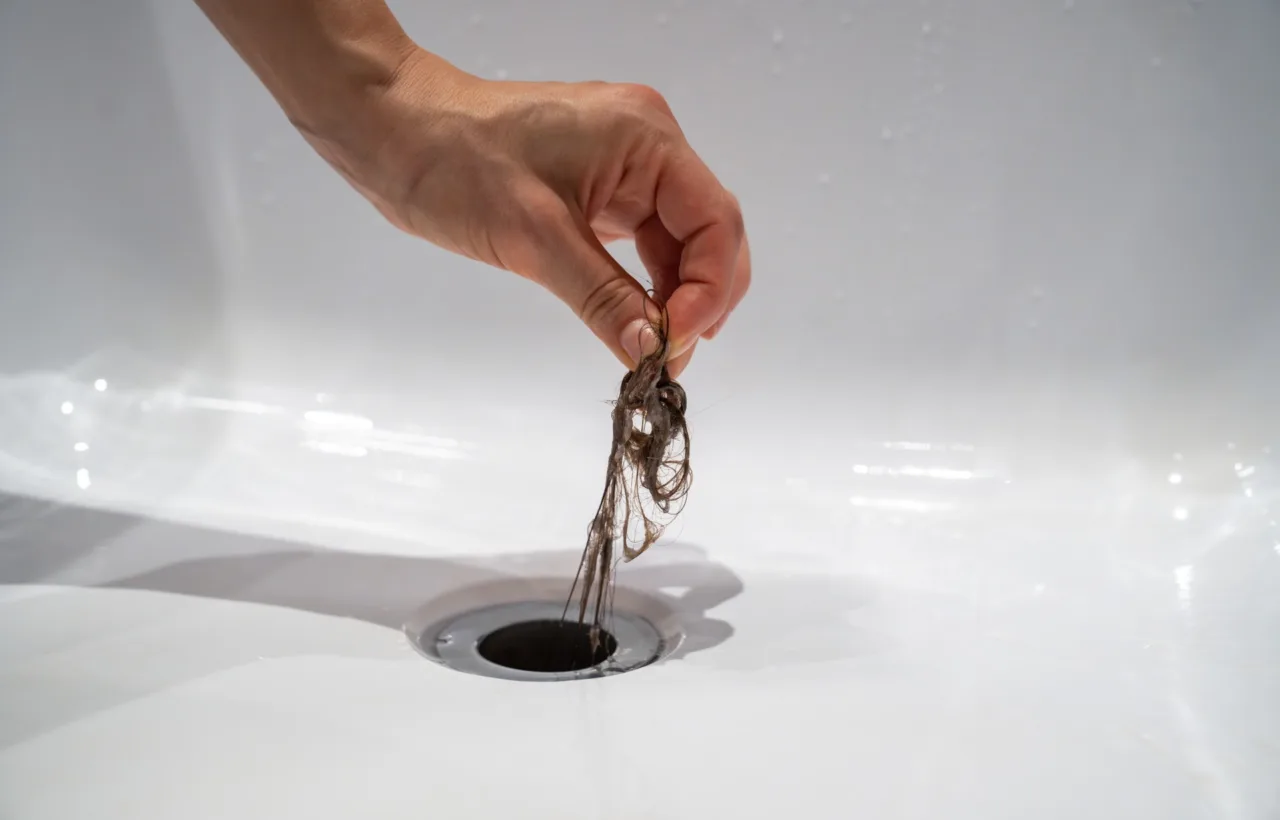
Hair is the main villain. It grabs soap residue and conditioner and builds a sticky mat right below the cover. I learned this the hard way after ignoring the slow drain for weeks. One day the water just sat there. Gross.
Soap scum makes it worse. It coats the pipe walls and gives the hair something to cling to. Grease from body products joins the party. Over time the mess hardens. I once pulled out a clump that looked like a wet rat. Never again.
See, most people wait too long. They pour random cleaners and hope. That rarely fixes the root. I treat every slow drain like an early warning. Catch it early and the fix stays easy.
The Tools I Keep Ready for Any DIY Unclog Shower Drain Job
I keep a small kit under the sink. Nothing fancy. Just the basics that work every time.
- Rubber gloves: I never dig in bare-handed. The gunk is worse than it looks.
- Flathead screwdriver: Most drain covers pry off or unscrew with this.
- Flashlight or phone light: I need to see what’s down there.
- Plastic drain snake or zip stick: These cheap tools grab hair like magnets.
- Wire coat hanger: Backup when I forget the snake.
- Baking soda and white vinegar: Always in the pantry.
- Old towels: For mopping standing water.
- Cup plunger: The flat kind, not the toilet one.
FYI, I bought a five-pack of plastic snakes for under ten bucks. Best money I spent on this problem. They reach farther than fingers and pull out more than I expect.
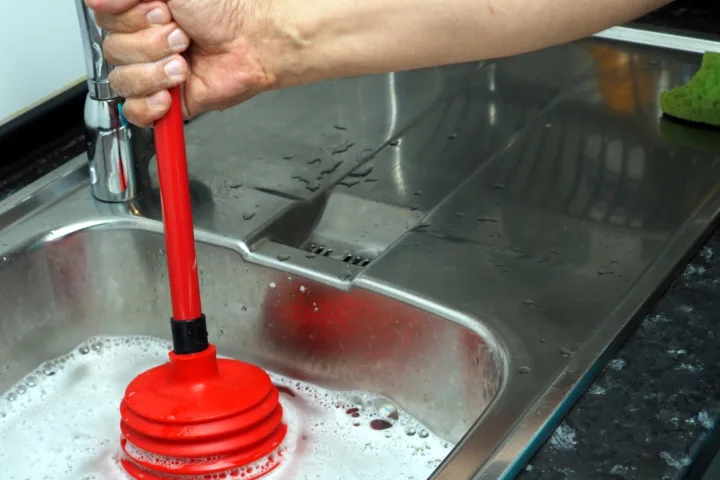
Choose a cup plunger that fully covers the shower drain; add enough water to submerge its rim for a tighter seal.
Step-by-Step Ways I Clear the Clog
I always start with the least messy option and move up only if needed. No sense making a bigger disaster.
Pull the Visible Hair Out First
I remove the drain cover. Sometimes it pops off. Sometimes I need the screwdriver. Then I shine the light down. More often than not I see the hairy nest right there.
I put on the gloves and reach in. Or I use the plastic snake. I push it down, twist, and pull slow. The barbs catch everything. I wipe the snake clean and repeat until nothing comes up. Then I run hot water for a full minute.
This step alone fixes half my clogs. It feels gross the first time. After that it just feels like progress.
The Hot Water Flush
If the drain still slows, I boil a full kettle. I pour it in stages. Thirty seconds between pours. The heat melts soap scum and softens the rest.
I learned not to dump the whole pot at once. Slow pours work better. Afterward I run the shower on hot and watch. Clear flow means I’m done. Still slow? Next method.
Note: I skip boiling water if my pipes are plastic. Hot tap water does the job instead. Better safe.
Baking Soda and Vinegar Combo
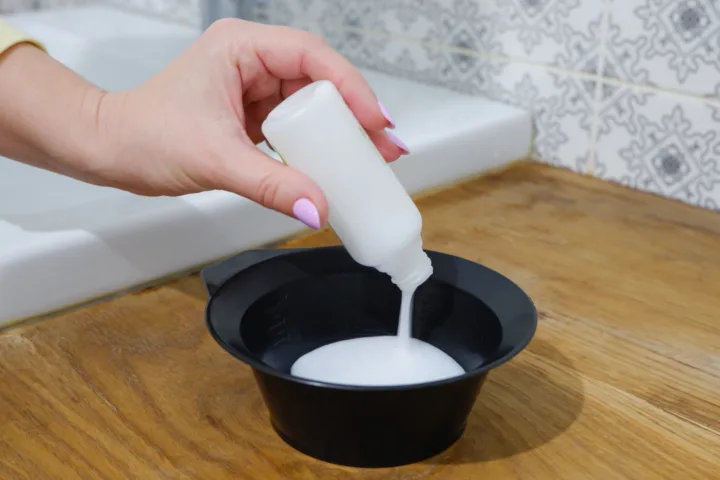
This is my favorite natural attack. I pour one cup of baking soda straight down. Then one cup of white vinegar. The fizz starts right away. I cover the drain with a rag or the cover itself. That keeps the reaction pushing down into the pipe.
I wait twenty to thirty minutes. Sometimes longer for a stubborn one. Then I flush with more hot water. The bubbling breaks up the soap and loosens trapped hair.
I tried adding salt once. It helped a little on heavy scum. But plain baking soda and vinegar already do the heavy lifting for me. IMO this beats most store cleaners for light to medium clogs.
Plunger Power
When water still sits there, I grab the cup plunger. I make sure enough water covers the rubber rim. Sometimes I smear a little petroleum jelly on the edge for a better seal.
I plunge hard and fast. Ten to fifteen pumps. Then I check the flow. Repeat if needed. The pressure often shoves the clog farther down or breaks it apart.
This works best after I already cleared the top layer of hair. Otherwise the plunger just moves the same mess around.
Bring Out the Drain Snake
For deeper clogs I use the plastic snake or a small metal one. I feed it in until I feel resistance. Then I twist and push a bit more. When it grabs, I pull back slow.
I always clean the snake between tries. Hair wraps around it fast. After a few passes I flush with hot water again. Most times the drain runs free after this.
I once rented a longer auger for a really bad one. Overkill for normal shower drains. The cheap plastic versions handle ninety percent of my problems.
What Happens When Nothing Works Right Away
Sometimes the clog sits farther down than my tools reach. Or it involves more than hair. I stay calm. I never force a tool. Forced tools crack pipes.
I tried a commercial enzyme cleaner once after the basics failed. It sat overnight and ate the organic stuff. Worked, but I still prefer the manual route first. Chemicals can mess with older pipes if I overdo them.
If water backs up into other drains or a bad smell shows up, I stop. That points to a bigger issue. I call a pro then. No shame in it. I fixed the simple ones myself. The complicated ones deserve the expert.
How I Stop the Clog from Coming Back
Prevention beats another round of digging. I installed a cheap hair catcher over the drain. It traps most of the strands before they go down. I clean it every few days. Takes ten seconds.
Every month or two I do a maintenance pour. Half cup baking soda, half cup vinegar, ten-minute wait, hot water flush. Keeps the scum from building.
I also watch what goes down. No dumping leftover conditioner or thick body washes straight into the drain. Wipe excess first. Small habits add up.
One more thing: I check the drain cover regularly. Soap builds on it too. A quick vinegar soak keeps it clear.
Frequently Asked Questions
Can I diy unclog shower drain without any special tools? Yes. Start by removing the cover and pulling hair by hand. Follow with baking soda, vinegar, and hot water. Those three steps clear most mild clogs I face.
Is boiling water safe for every pipe? No. Metal pipes handle it fine. Plastic ones can soften. I stick to very hot tap water when I’m unsure about the material.
How often should I clean my shower drain? I do a quick hair pull every couple weeks and a full baking soda treatment monthly. That schedule keeps mine flowing without drama.
Will a plunger damage my shower floor? Not if I use a cup plunger and avoid slamming it. Gentle but firm pumps work better than wild force.
When do I finally call a plumber? When the water still stands after snakes and natural methods, or if I hear gurgling in other drains. Those signs mean the problem sits deeper than my DIY reach.
I used to think a clogged shower meant an expensive call. Now I know better. Most of the time the fix lives in my pantry and under the sink. Start simple. Pull the hair. Hit it with heat and the baking soda fizz. Grab the snake if needed. Keep a hair catcher in place and the whole cycle slows way down.
Next time the water rises around your ankles, remember this. You already own everything required. Get in there. Clear it. Enjoy the free-flowing shower again. I still smile a little every time the water disappears right away. That small victory never gets old.