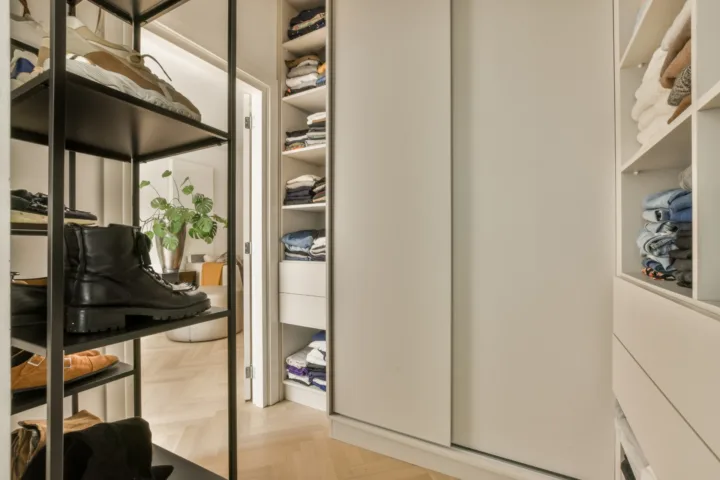
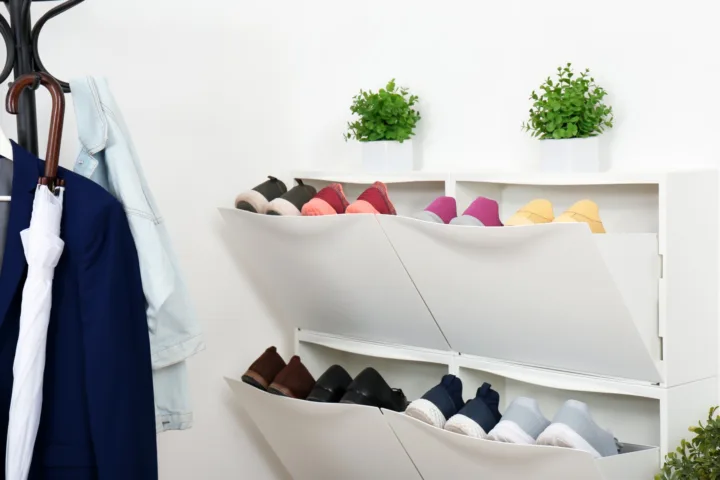
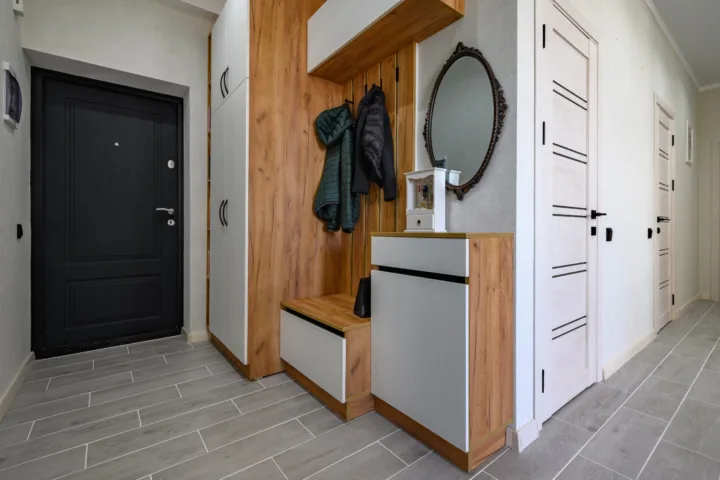
My junk closet used to swallow things whole. I tossed in old chargers, half-used cleaning sprays, leftover hardware from past projects, and whatever else had no clear home. The door jammed more often than it opened cleanly. I reached a point where I needed real solutions, so I tested a bunch of approaches and settled on these 20 junk closet organization ideas that actually held up in daily life.
Honestly? The mess felt permanent for a long time. I treated that closet like a dumping ground and paid for it every time I hunted for a flashlight or spare batteries. Once I stopped treating it as a black hole and started treating it as usable space, everything shifted.
Clearing the Chaos First
I learned the hard way that no organizer works if the closet stays packed with junk. You have to empty it completely. I pulled every single item out onto the floor and hallway. The pile looked worse before it got better. That visual hit hard.
See, I sorted into four piles right away: keep, donate, trash, and relocate. Broken tools went straight to the trash. Duplicates of the same tape measure went to donate. Seasonal decorations that belonged in the garage moved there. The keep pile stayed small on purpose.
I wiped down the walls, shelves, and floor once the space sat empty. Dust and mystery sticky spots vanished. That clean base made the rest of the work feel possible.
Key takeaway from this stage: Leave at least 20 percent of the space empty on purpose. Overflow happens fast if every inch gets filled.
My Favorite 20 Junk Closet Organization Ideas
I grouped these by what worked best for me. Some cost almost nothing. Others required a quick trip to the store. All of them earned their spot through real use.
Vertical Space Wins
- Add a second hanging rod. I installed a simple tension rod below the existing one. Short items like jackets and bags now hang underneath. Floor space opened up immediately.
- Mount hooks on the walls and door. I screwed in a few sturdy hooks for brooms, mops, and extension cords. S-hooks work great for hanging bags by their straps. Nothing sits on the floor anymore.
- Install over-the-door organizers. The kind with clear pockets holds spray bottles, gloves, and small tools. I see everything at a glance. No more digging.
- Use shelf dividers. Wire or acrylic dividers keep stacks of towels or bins from toppling. I placed them on the top shelf for seasonal items.
- Hang a pegboard. I mounted a small one on the side wall. Hooks and small shelves hold screwdrivers, tape, and batteries. It looks intentional instead of random.
Bins and Baskets That Actually Contain Stuff
- Label clear bins. I bought a few medium clear plastic bins and labeled them with a simple marker. One for batteries and chargers. One for lightbulbs. One for cleaning cloths. Seeing the contents stops the mystery pile from forming again.
- Choose open baskets for frequent items. Woven or plastic open baskets sit on lower shelves for things I grab often, like trash bags and paper towels. Lids slow me down, so I skipped them here.
- Stackable cube organizers. These create extra levels without permanent shelves. I use them for bulkier items like vacuum attachments. They pull out easily when needed.
- Magazine files for flat things. Old instruction manuals, warranties, and flat packaging fit in upright magazine files. They stay neat and take almost no depth.
- Lazy Susan for bottles. A simple turntable on a middle shelf holds cleaning sprays and oils. I spin it and grab what I need. No more knocking things over.
Floor and Door Real Estate
- Tiered shoe-style racks for supplies. I adapted a basic tiered rack for spray bottles and small tools. It multiplies the floor footprint without clutter.
- Rolling cart if the closet is deep. A narrow rolling cart slides in and out. I load it with less-used items and pull the whole thing forward when needed.
- Door-mounted magnetic strip. A magnetic bar holds scissors, small metal tools, and spare keys. It frees up drawer or bin space.
- Tension rods as dividers. Vertical tension rods create vertical sections on a shelf. I separate gift wrap rolls from paper bags this way.
Repurposing the Whole Closet
- Turn it into a dedicated utility closet. Hooks for cleaning tools. Shelves for products. A bin for rags. This became my main approach. Everything cleaning-related lives here now.
- Create a mini linen spot. If linens overflow elsewhere, stack towels and sheets in labeled bins on higher shelves. It frees dresser drawers in the bedrooms.
- Seasonal storage zone. Off-season decorations and bulky coats go into vacuum bags or clear bins on the top shelf. I rotate them twice a year.
- Mini mudroom conversion. In a hallway closet, I added a small bench with storage underneath and wall hooks above. Coats and bags stay off the floor by the door.
- Wine or bottle storage racks. If temperature stays steady, a simple rack holds bottles upright. It works for vinegar and oils too in my case.
- Command caddy on the door. A small adhesive caddy holds frequently grabbed items like a flashlight, tape measure, and marker. Zero drilling required.
I tried most of these over a couple of weekends. The ones that stuck combined visibility with easy access. Opaque bins hid too much. Complicated systems fell apart the first busy week.
What I Learned From Living With These Changes
I used to buy duplicates because I could never find the original. That stopped once everything had a clear home. FYI, the clear bins made the biggest difference for small random items.
See, maintenance matters more than the initial setup. I do a five-minute check every couple of weeks. Anything that drifted gets put back. The habit stuck because the system stays simple.
I compared cheap plastic bins to nicer woven ones. The plastic ones win for visibility and wipe-clean surfaces. The woven ones look better but collect dust faster in a utility space. I keep the nicer ones for visible shelves elsewhere.
Honestly? The hardest part was letting go of the “I might need this someday” items. Old phone chargers for phones I no longer own. Half-empty paint cans from rooms I repainted years ago. Once those left, the closet stopped feeling like a museum of past projects.
Keeping the System Alive
I leave breathing room on every shelf. When something new comes in, something old leaves. That rule prevents the slow creep of clutter.
Labels help everyone in the house. Guests and family members put things back correctly because the labels remove the guesswork.
I avoided fancy modular systems that require tools and permanent changes. Temporary solutions like tension rods and over-the-door units give flexibility if I rearrange later.
The floor stays clear now. That single change makes the whole closet feel bigger and easier to clean.
Frequently Asked Questions
What are the best 20 junk closet organization ideas for a small space? Focus on vertical solutions first: second rods, wall hooks, over-the-door organizers, and shelf dividers. Those stretch limited square footage without major renovations.
How do I start organizing a junk closet without getting overwhelmed? Empty everything in one session if possible. Sort into keep, donate, trash, and relocate piles right away. Clean the empty space before anything returns.
Do I need expensive organizers for junk closet organization? No. Clear bins, basic hooks, tension rods, and over-the-door units handle most needs. I spent under $50 total on the solutions that lasted.
How often should I revisit my junk closet? A quick five-minute tidy every two weeks keeps it functional. A deeper sort once a season handles seasonal items and any new clutter.
Can I convert a junk closet into something else? Yes. Many people turn theirs into a utility closet, mini mudroom, or linen storage. The key is deciding the new purpose before you put items back.
I still catch myself wanting to toss something random in there when I’m in a hurry. The difference now is that the system pushes back. Items have assigned spots, so the random toss stands out immediately.
Start with emptying the space. Pick three or four of these ideas that fit your exact mess. Build from there. The closet stops being a source of daily frustration once it has a real job and the tools to do it. You get the item you need in seconds instead of minutes. That alone changes the feel of the whole house.