My small closet used to feel like a black hole. Clothes vanished. Shoes piled up. Getting dressed took longer than it should. I tried the usual advice and still ended up frustrated. Then I tested a long list of practical fixes and landed on these 18 closet organization ideas for small closets. They changed how I use every inch.
I live in a place with zero extra square footage. No walk-in. Just a standard reach-in that measures under four feet wide. The single rod and one shelf wasted so much room. I kept buying more stuff and wondering why nothing fit. Honestly? I almost gave up and started leaving clean clothes in laundry baskets.
That stopped working. I needed systems that fit real life, not Pinterest perfection. So I started with the basics and built from there. These ideas cost little, require no contractor, and deliver results you can see in one afternoon.
Start With a Ruthless Edit Before You Buy Anything
See, most people jump straight to organizers. I think that’s the wrong way to go about it. The first question is not which bin to buy. The first question is what actually belongs in the closet.
I pulled every single item out. Laid it on the bed. Sorted into keep, donate, sell, and trash. Anything I had not worn in a year went. Anything that no longer fit went. The random chargers, old gift bags, and mystery boxes got relocated or tossed.
This step alone freed more space than any product. My closet suddenly looked larger. I could see the walls again. If you skip this, every other idea fights an uphill battle. Do the edit first. Your future self will thank you.
Switch to Slim Velvet Hangers Right Away
Standard plastic hangers eat rod space. I measured mine. Each one took about half an inch. Slim velvet hangers take closer to a fifth of an inch. In a closet holding thirty pieces, that switch freed nearly nine inches of rod.
I bought a fifty-pack for under twenty dollars. The velvet also stops clothes from sliding off. No more shirts on the floor in the morning. Uniform hangers make the whole rod look calmer too. IMO this is the highest-impact change for the lowest cost.
Add a Second Hanging Rod and Double Your Capacity
Most small closets come with one high rod. That leaves a huge empty zone below. I installed a double-hang rod. Top rod at about eighty inches for shirts and jackets. Bottom rod around forty inches for pants and skirts.
This one change effectively doubled my hanging space. No drilling required if you use a tension or hanging extender. I hung shorter items on top and longer ones below. Suddenly I had room for pieces that used to live in a drawer or under the bed.
Claim the Back of the Door With Over-the-Door Organizers
The door is free real estate. I hung a clear-pocket shoe organizer first. It holds twenty-four to thirty pairs without touching the floor. Later I added a fabric version for scarves, belts, and small bags.
Hooks on the door work too. I put three sturdy ones for the jacket I wear most days, my everyday tote, and a robe. Everything stays visible and easy to grab. No more digging through a pile on the floor.
Go Vertical With Extra Shelves and Floating Options
Horizontal space runs out fast. Vertical space is usually ignored. I added two rows of wall-mounted shelves above the existing one. Wire ones are cheap. Wood ones look cleaner if your budget allows.
I also installed a floating shelf near the ceiling for luggage and seasonal bins. That high zone holds things I reach for only a few times a year. The middle zone stays clear for daily clothes. The floor stays open.
Create Zones So Everything Has a Home
I divided the closet into three horizontal bands. Top band for seasonal and rarely used items. Middle band for everyday clothes and accessories. Bottom band for shoes and low bins.
This simple map stops the random pile-up. When everything has a designated spot, putting things away takes seconds. I label the bins with painter’s tape at first. Later I switch to nicer labels if the system sticks.
Use Baskets and Fabric Bins on Every Shelf
Stacks of folded clothes collapse. Baskets keep them upright. I bought matching fabric bins in two sizes. Larger ones for sweaters and jeans. Smaller ones for socks and underwear.
Clear plastic works if you want to see contents at a glance. I prefer fabric because it softens the look. Either way, the bins turn open shelves into real storage. Nothing slides off the edge anymore.
Install Shelf Dividers for Neat Stacks
Even with bins, some shelves hold stacks of tees or towels. Acrylic shelf dividers keep those stacks from toppling. I placed them every six to eight inches. The result looks intentional instead of chaotic.
They cost next to nothing and take two minutes to clip on. FYI these are especially helpful if you share the closet or have kids who “help” put things away.
Add Hooks on Any Empty Wall Space
Hooks solve problems I did not know I had. I mounted a few inside the closet for hats, bags, and jewelry. Metal S-hooks hang jeans by the belt loop. That frees hanger space for shirts.
I also put two hooks outside the closet door for tomorrow’s outfit. It acts like a mini valet. No more last-minute searching for the right pair of pants.
Try a Hanging Closet Organizer for Folded Items
Some clothes hate hangers. Sweaters stretch. Tees look better folded. A hanging six-compartment organizer drops from the rod and gives me vertical cubbies.
I use three for folded tops and three for accessories. It turns dead air under the rod into usable storage. The sturdy ones with metal hooks last longer than the flimsy fabric versions.
Get Shoes Off the Floor With Racks or Cubbies
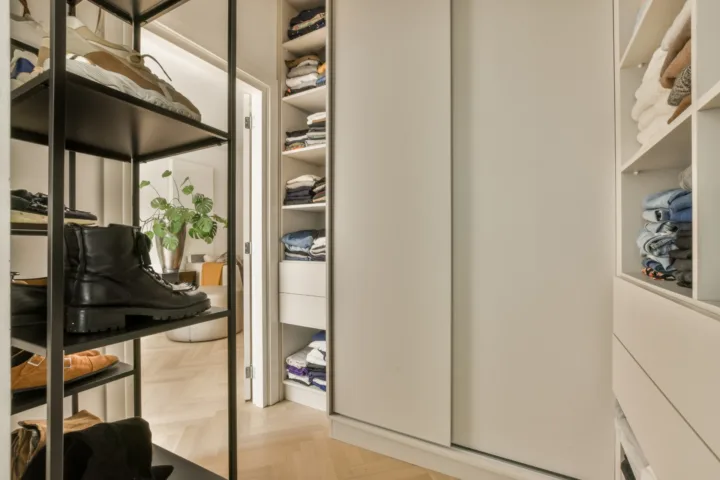
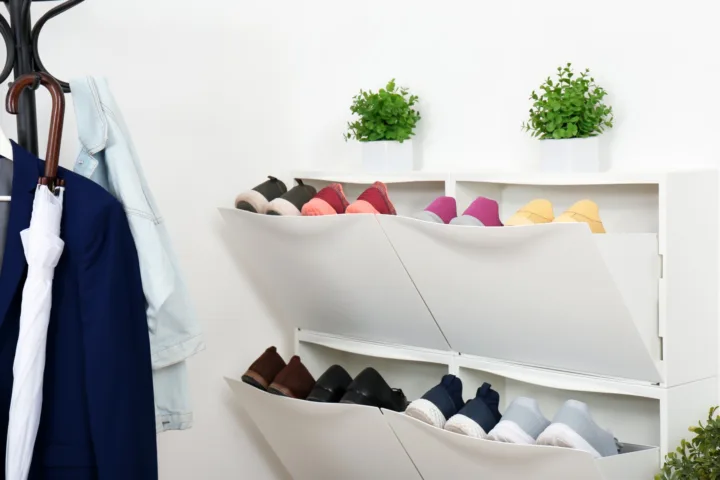
Shoes on the floor create visual noise and collect dust. I started with a slim metal rack that holds two tiers. Later I added a low set of cubbies for boots and sneakers.
Over-the-door shoe organizers work if floor space is truly zero. Pair them with a small stool so you can sit while putting shoes on. The floor stays clear and the closet feels bigger.
Rotate by Season and Store Off-Season Pieces High
I do not need wool coats in July. Every season I pull the current items to the middle zone and move the rest to labeled bins on the top shelf or under the bed.
This rotation keeps the daily closet lean. I can see what I own. I stop buying duplicates. The system only works if the bins are clearly marked. I use simple black markers on white labels.
Consider a Pegboard for Flexible Accessory Storage
Metal and plastic hooks sometimes look cold. A wooden pegboard feels warmer. I mounted a small one on the side wall. Pegs hold scarves, belts, and a couple of bags.
I rearrange the pegs whenever my needs change. No permanent holes beyond the initial install. It turns a blank wall into custom storage that still looks intentional.
Add a Retractable Valet Rod for Outfit Planning
Some mornings I want to lay out clothes the night before. A slim valet rod pulls out from the wall and holds hangers without taking permanent space.
I installed one near the front of the closet. It holds tomorrow’s outfit or the dry-cleaning bag. When I am done, it slides back in. Small detail. Big daily convenience.
Light the Dark Corners
A dark closet hides everything. I stuck battery-powered LED strip lights under the top shelf. Motion-sensor ones work even better. Now I can see the back of the rod without sticking my head inside.
Better light makes me more likely to put things away properly. It also stops me from buying the same black shirt three times because I could not find the first two.
Match Your Hangers and Keep the Rod Uniform
Mixed hangers create visual clutter even when the clothes are neat. Once I switched to all velvet, the rod looked intentional. The clothes hang at the same height. Nothing sticks out oddly.
This small consistency makes the whole closet feel calmer. It also makes it obvious when something is out of place. You notice the rogue plastic hanger immediately.
Use the Floor for Low Drawers or a Slim Tower
If the floor is empty after shoes leave, slide in a three-drawer fabric tower. I keep underwear, socks, and workout clothes there. The drawers pull out fully so nothing gets lost in the back.
A low set of shallow bins works too. Label them. Stack them if needed. The goal is to keep the floor usable without turning it into a dumping ground.
Build a Daily Grab Zone at the Front
The last idea ties everything together. I keep my most-used items right at the front. Jacket on a hook. Everyday bag on another. Shoes I wear most often on the lowest accessible shelf.
Everything else lives behind that zone. Morning routines got faster. I stop hunting. The rest of the closet stays tidy because I only dig deep when I need something special.
Frequently Asked Questions
What is the cheapest way to start with 18 closet organization ideas for small closets? Start with the edit and a pack of slim velvet hangers. Those two steps cost almost nothing and free the most space. Add an over-the-door organizer next if you still need more room.
Do I need a full closet system or can I mix and match? I mixed and matched. Double rod, hangers, bins, and door organizers covered ninety percent of my needs. Custom systems look nice but are not required for real results.
How often should I reorganize a small closet? I do a full edit twice a year with the seasons. Quick tidy-ups happen every couple of weeks. The systems I listed make maintenance fast once they are in place.
Will these ideas work in a closet shared with a partner? Yes. Assign clear zones and label everything. Matching hangers and bins reduce the visual chaos that usually appears when two people share tight space.
What if my closet has no door? Use a tension rod with a curtain or leave it open and keep the front zone especially disciplined. Hooks on the side walls still work. Lighting becomes even more important.
I used to dread opening that closet door. Now I open it and feel calm. The clothes are visible. The floor is clear. Getting dressed takes minutes instead of a scavenger hunt. These eighteen ideas did not require a renovation or a huge budget. They required a little honesty about what I actually own and a willingness to use every vertical inch.
Try one or two this weekend. Start with the edit and the hangers. Watch how quickly the space starts to breathe. Your small closet does not have to stay small in function. It just needs better systems. I proved that in my own place. You can too.