
I spent years wrestling with a bedroom closet that felt more like a black hole than a storage space. Clothes spilled out every time I opened the door. Shoes vanished into the void. Mornings turned into mini scavenger hunts. After one particularly rough stretch where I nearly tossed half my wardrobe in frustration, I started testing real solutions. These 20 organization ideas for bedroom closet came from that messy trial-and-error process. Some cost almost nothing. Others required a small investment. All of them stuck because they fit how I actually live.
Honestly? The biggest shift happened when I stopped chasing perfection and started building systems that survived my real habits.
Start With a Clean Sweep Before Any Fancy Fixes
I used to jump straight to buying bins and hangers. That never lasted. The first real win came when I emptied the entire closet. Everything. Onto the bed. Onto the floor. It looked worse for about an hour. Then I could finally see what I owned.
I sorted into three piles: keep, donate, and maybe. The maybe pile got a two-week test. If I did not reach for it, it left. See, holding onto clothes that no longer fit my life just creates visual noise. I bagged the donate items the same day and dropped them off. No second chances.
That blank-slate step alone cut my clutter in half. It also made every later idea work better.
Switch to Slim Matching Hangers
Bulky plastic hangers wasted inches of rod space and made everything look chaotic. I replaced them with slim velvet ones. They take up less room. Clothes stay put. The whole rod suddenly looks intentional.
IMO this single swap creates the biggest visual upgrade for the least money. I bought a big pack and never looked back. Matching hangers also make it easier to spot gaps in my wardrobe. No more hunting for the one black shirt buried under mismatched hangers.
Add a Second Hanging Rod
Most bedroom closets waste the lower half of the space. I hung an adjustable second rod about halfway down. Short items like shirts and skirts go on the bottom. Longer pieces stay up top.
This nearly doubled my hanging capacity without any construction. Tension rods or simple kits work fine for renters. I still use the same setup years later because it just works.
Install Shelf Dividers
Folded stacks always toppled. Sweaters leaned into jeans. Everything became one messy pile. Clear acrylic dividers fixed that. They slide onto the shelf and keep each stack upright and separate.
Now I can pull one sweater without the whole row collapsing. Small change. Big daily payoff.
Use the Back of the Door
The closet door used to do nothing. I hung an over-the-door organizer with clear pockets. Shoes live there now. So do scarves, belts, and small bags.
Vertical real estate on the door costs zero floor space. I also added a few simple hooks for robes and tomorrow’s outfit. Suddenly the door became one of the most useful parts of the closet.
Create Zones by How You Actually Dress
I used to group everything by type: all tops together, all pants together. That felt logical until I realized I reach for work clothes in the morning and casual stuff at night. Now I create lifestyle zones.
One section holds Monday-to-Friday pieces. Another holds weekend basics. Special-occasion items live higher up or toward the back. This matches how I move through the day. Getting dressed takes less mental energy.
Store Seasonal Items Out of the Way
Winter coats and heavy sweaters used to crowd the main rod all year. I packed them into labeled fabric bins or vacuum bags and moved them to the top shelf or under the bed. When the weather shifts I swap them out.
Keeping only the current season in the prime space keeps the closet feeling lighter. FYI the vacuum bags still surprise me with how much bulk they remove.
Add Baskets and Bins on Shelves
Open shelves look neat for about five minutes. Then they become dumping grounds. Matching fabric bins or woven baskets give everything a home. I label them clearly: workout clothes, accessories, extra bedding.
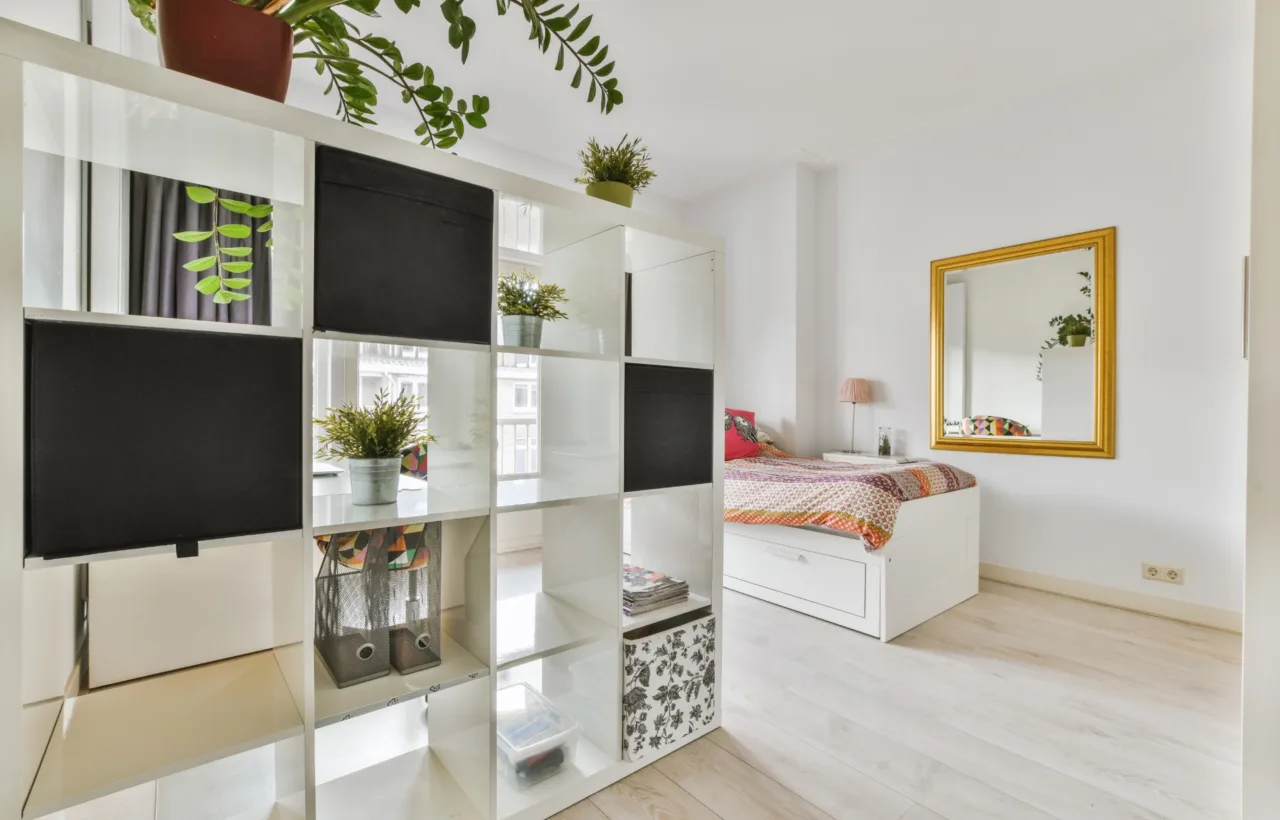
The visual calm of uniform containers makes the whole closet feel more intentional. I can still see what is inside if I choose clear or open-weave styles.
Try Hanging Cubbies for Folded Items
Some sweaters and soft knits do not love hangers. Fabric hanging organizers that drop from the rod give them a soft landing. I use these for folded tees and light sweaters. They keep items visible and off the main shelves.
This works especially well in narrow closets where floor drawers feel too bulky.
Light Up the Space
Dark corners hide mess and make mornings harder. I stuck battery-powered LED puck lights under the top shelf and along the sides. Motion-sensor strips work even better. Suddenly I can see everything without flipping a main light switch.
Better lighting also makes the closet feel larger and cleaner. I notice when something is out of place faster.
Give Accessories Their Own Real Estate
Belts, hats, and jewelry used to tangle or disappear. Retractable belt racks and simple wall hooks solved most of that. A small jewelry tray or hanging organizer keeps necklaces from knotting.
I once kept a valet rod for next-day outfits. It became my favorite quick-grab spot. One piece of hardware, multiple daily uses.
Corral Shoes Without Losing Floor Space
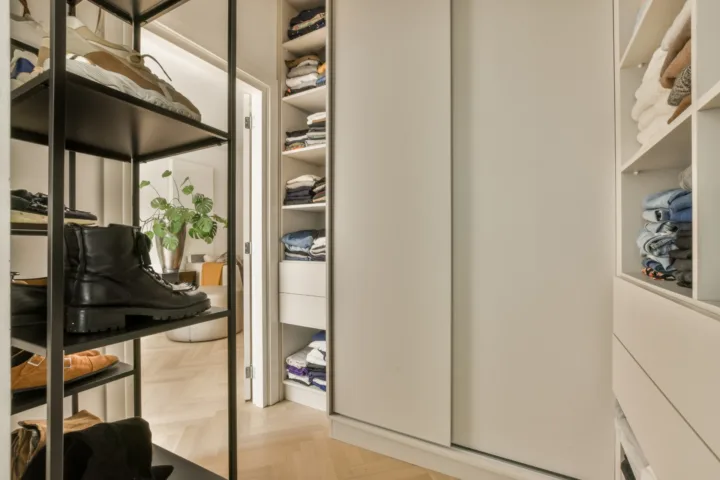
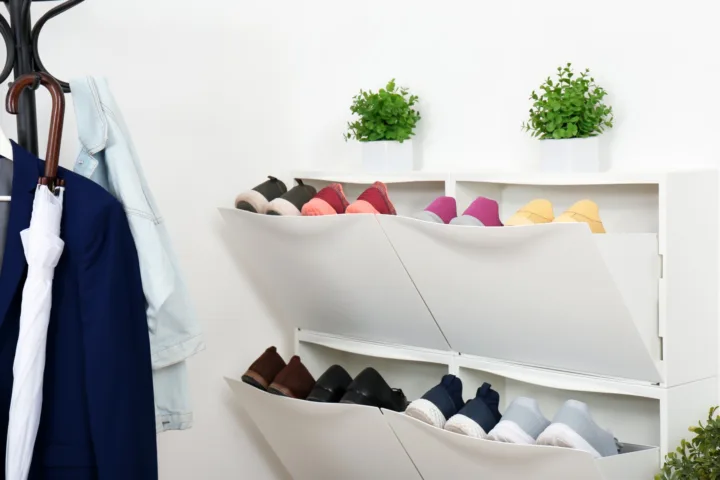
Shoes used to live in a pile at the bottom. A slim vertical shoe rack or over-door option lifted them up. For boots I use simple pegs or inserts so they keep their shape.
Keeping pairs together and visible stops the endless morning search. I also rotate less-worn pairs into under-bed storage.
Use the Floor Strategically
I used to leave the floor empty “to make it feel bigger.” That just invited more clutter. A low rolling drawer unit or stackable cubes now hold socks, underwear, and workout gear. I leave a small open path so nothing feels cramped.
The floor can work hard without looking messy if you choose low-profile pieces.
Label Everything You Reach For Often
Labels feel optional until you live with them. I use simple removable labels on bins and shelves. No more guessing which basket holds the scarves. This also helps anyone else in the house put things back correctly.
Clear labeling supports the system when motivation dips.
Color-Code Within Categories
After zoning by lifestyle I arrange each section by color. Light to dark. It looks calm. More importantly, it helps me notice duplicates. I realized I owned four nearly identical black tees once the colors lined up.
This small habit speeds up getting dressed and keeps the closet looking intentional.
Keep a Permanent Donation Bag
I hang a simple fabric bag on a hook inside the closet. When something no longer earns its spot, it goes straight into the bag. Once the bag fills I drop it off. No big decision sessions required.
This ongoing filter prevents the closet from filling back up with forgotten items.
Add Personal Touches That Make Maintenance Easier
A small framed print, a cedar block, or a lightly scented sachet turns the closet into a place I actually want to keep tidy. I once added peel-and-stick wallpaper to the back wall. It made the space feel finished instead of temporary.
When a closet feels good to open, the daily reset becomes easier.
Build a Mini Drop Zone for Random Items
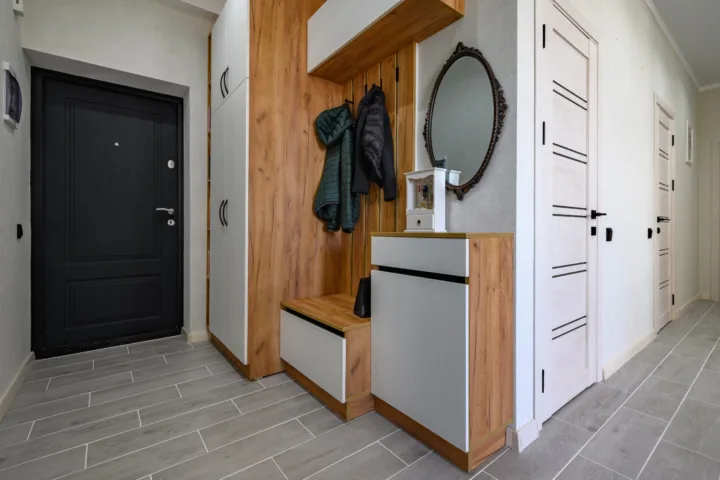
Buttons, receipts, spare change, and random tags used to end up on the floor or shelves. A small open bin near the door catches them. I empty it once a month. This stops the slow creep of clutter.
Every item needs a temporary home so it does not invade the permanent systems.
Rotate and Reset Weekly
I spend ten to fifteen minutes once a week hanging things back, refolding stacks, and checking the donation bag. This is not a deep clean. It is a quick reset. Consistency beats intensity here.
The closet stays usable because I treat maintenance as a normal habit instead of a rare project.
Choose a Cohesive Look Across Products
Matching hangers, similar bin colors, and consistent materials create visual quiet. I stuck to neutrals and soft textures. The closet feels calmer even when it is full. This is not about perfection. It is about reducing visual noise so the systems stay easy to follow.
Frequently Asked Questions
What is the first step I should take with a messy bedroom closet? Empty everything and sort honestly into keep, donate, and maybe piles. Starting with a blank slate makes every later organization idea more effective.
Do I need expensive systems for these 20 organization ideas for bedroom closet? No. Most of the highest-impact changes use slim hangers, a second rod, shelf dividers, and over-door organizers. You can improve a lot for under fifty dollars.
How do I keep the organization from falling apart after a few weeks? Build a weekly ten-minute reset into your routine and keep a donation bag handy. Systems fail when maintenance becomes a rare event instead of a normal habit.
Should I organize by color or by category? I do both. Category or lifestyle zones first, then color within each zone. This matches real dressing habits better than pure color blocking alone.
What works best for very small reach-in closets? Prioritize vertical space: second rod, slim hangers, over-door storage, and shelf dividers. Keep only current-season items in the main zone and move everything else out.
I still open my closet every morning and feel a quiet sense of relief. The systems hold because they grew out of actual daily friction instead of perfect Instagram photos. Pick two or three of these ideas and start there. The rest can follow once the first ones feel natural. Your closet does not need to look magazine-ready. It just needs to support the life you already live.