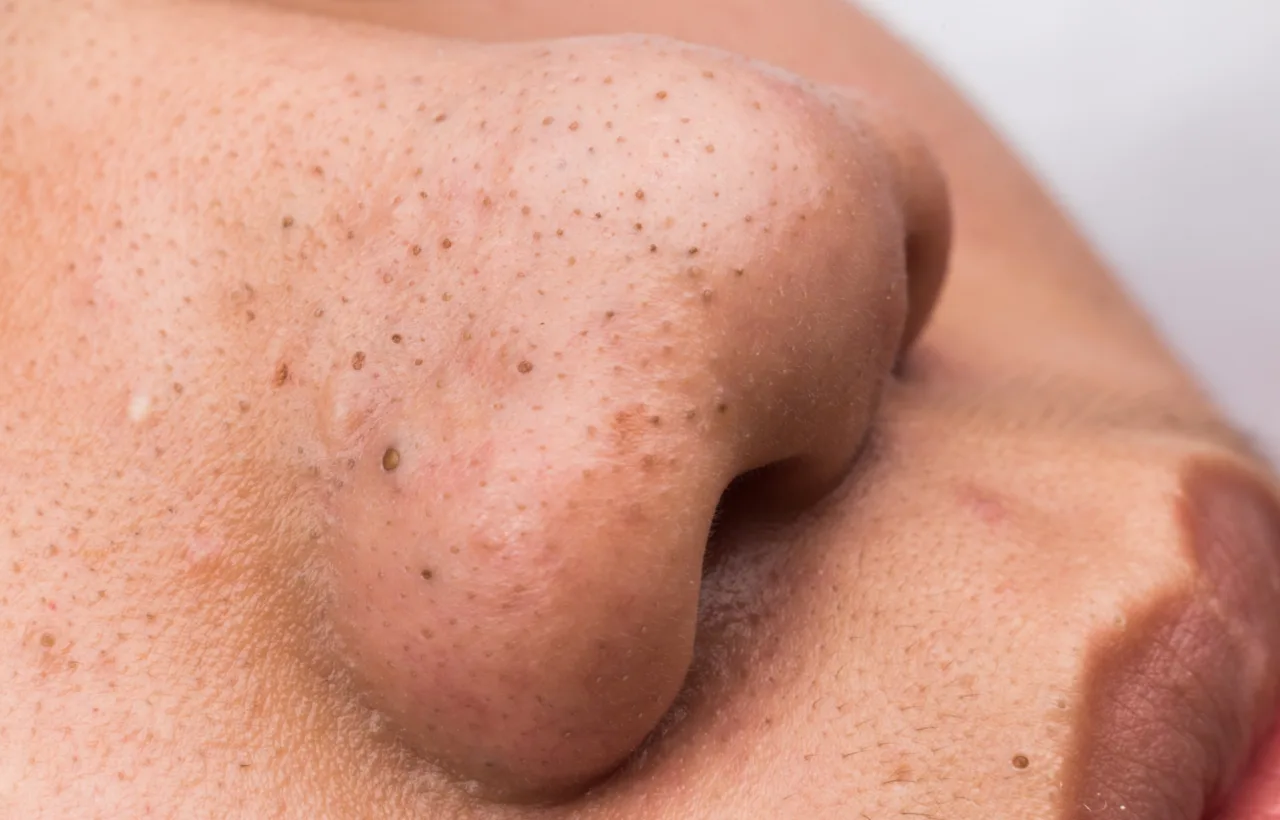

I spent years staring at the same stubborn blackheads and tiny bumps on my nose and cheeks. My skin looked dull and uneven no matter what cleanser I grabbed off the shelf. I wanted clear skin bad enough that I bought every pore strip and scrub I could find. Most of them left me red, tight, or worse. Then I learned a few simple habits that actually helped me unclog pores on face without the constant irritation. This is the exact path I followed, the mistakes I made, and the routine I still use today.
Why My Pores Kept Getting Clogged in the First Place
I used to think clogged pores meant I just needed to scrub harder. Wrong. Pores get blocked when dead skin cells, oil (sebum), and leftover makeup or dirt build up inside them. My oily T-zone made it worse. Hormones played a role too. Stressy weeks always brought more congestion.
Genetics matter. Some of us simply produce more oil. I fall into that group. Sun damage stretched the openings over time and made everything look larger. Touching my face with unwashed hands added bacteria I never noticed. Pillowcases stayed on the bed way too long. Makeup brushes collected dust for months.
Honestly? I ignored half of these triggers for years. Once I faced them, the clogs started to ease.
The Mistakes That Made Everything Worse
I went through a phase of aggressive physical scrubs. The gritty ones felt productive. They left my skin raw. Over-exfoliation sent my oil glands into overdrive. More oil meant more clogs. Classic cycle.
Pore strips gave me that instant “clean” look. The satisfaction lasted about an hour. They only pulled surface gunk and stretched the pores a little more each time. Squeezing was my worst habit. I would sit in front of the mirror and dig. Scars and bigger-looking pores followed. Dermatologists warn against it for good reason. I learned that the hard way.
Hot water felt cleansing. It stripped my barrier and made oil production spike. Heavy, oil-based moisturizers sat on top of my skin and fed the problem. I thought moisturizing oily skin was optional. That belief kept me stuck longer than it should have.
See, I treated symptoms instead of the actual buildup. That approach never worked.
After over-exfoliation, pause acids and retinoids until stinging settles, then reintroduce one pore-clearing active at a time, twice weekly.
The Simple Daily Routine That Helped Me Unclog Pores on Face
I stopped chasing quick fixes and built a consistent routine. Consistency beat intensity every single time.
Double Cleansing Became Non-Negotiable
At night I start with an oil-based cleanser. It melts makeup and sunscreen without stripping. I massage for a full minute. Then I follow with a gentle water-based cleanser that contains a bit of salicylic acid. Warm water only. Never hot. Morning is a single cleanse with the same second cleanser. Two minutes total. Skin feels clean, not tight.
This step alone cut down on the daily debris that used to settle into my pores.
Chemical Exfoliation Replaced Harsh Scrubs
Physical scrubs went in the trash. Chemical ones took over. Salicylic acid (a BHA) dissolves oil inside the pore. I use a 2% leave-on solution a few nights a week. It goes on after cleansing and before moisturizer. Start slow if your skin is sensitive. Once or twice a week at first.
AHAs like glycolic or lactic acid handle surface dead cells. I alternate them carefully so I never overdo it. My skin stays smoother and the openings look less congested.
Retinol Entered the Picture Slowly
Retinol speeds up cell turnover and keeps dead cells from sticking together. I began with a low-strength version three nights a week. Buffer it with moisturizer if needed. My pores looked tighter after a few months because the skin around them stayed firmer. Prescription strength came later under a derm’s guidance. Over-the-counter worked fine for maintenance.
Clay Masks for Weekly Deep Cleaning
Once a week I spread a bentonite or kaolin clay mask over my T-zone. It pulls excess oil without the harsh dryness of charcoal versions I tried earlier. Ten to fifteen minutes max. Rinse thoroughly. Skin feels matte and clean. I skip this step if my barrier feels compromised.
Key Ingredients That Actually Move the Needle
I tested a lot of products. These three ingredients delivered the most reliable results for me:
- Salicylic acid: Oil-soluble. It travels into the pore and breaks up the gunk. I keep a simple 2% solution in my routine year-round.
- Retinol or adapalene: Regulates oil and cell turnover. Start low. Patience pays off.
- Clay (bentonite or kaolin): Absorbs surface oil and gives a temporary tightened look. Weekly is enough.
Non-comedogenic labels matter. I check every moisturizer, sunscreen, and makeup for that word. Oil-free formulas sit better on my skin. Lightweight gels replaced heavy creams.
FYI, I still use a basic drugstore salicylic cleanser most days. Fancy packaging never outperformed the simple actives.
Lifestyle Tweaks That Supported Clearer Skin
Products alone were not enough. Small daily habits made a real difference.
I change pillowcases every three to four days. Cotton only. Makeup brushes get washed weekly with gentle soap. Phone screens get wiped daily. Hands stay off my face as much as possible. Harder than it sounds during stressful calls.
Sunscreen every morning. Mineral or lightweight chemical. UV damage loosens the skin and enlarges the look of pores over time. I never skip it now.
Diet played a quieter role. Heavy dairy and high-sugar days sometimes triggered more oil for me. I cut back without going extreme. Hydration helped too. Dry skin still produces oil to compensate.
Exercise sweat gets rinsed off soon after. Leaving it sits and mixes with oil. Simple rinse, then the usual cleanse later.
Common Myths I Had to Unlearn
Pores do not open and close like doors. Heat or cold does not change their actual size. Steam can soften debris so it comes out easier during a cleanse. That is the only real benefit.
You cannot permanently shrink pores. Genetics set the baseline. You can keep them clear so they look smaller. That distinction saved me from buying endless “pore minimizer” creams that did nothing.
DIY baking soda pastes irritated my skin badly. The pH is too high. I left those experiments behind.
Professional extractions or Hydrafacials feel satisfying. They are maintenance, not a cure. I still go occasionally, but home care does the heavy lifting.
How Long It Took and What Results Looked Like
Visible improvement showed up in about three weeks of consistent use. Blackheads on my nose reduced. Texture evened out. By two months the constant cycle of congestion slowed. Skin still gets oily. That never fully disappeared. The clogs no longer dominate my reflection.
IMO the biggest win was less picking. Clearer skin meant less temptation to dig. Fewer scars followed.
Results vary by skin type and consistency. Oily skin like mine responds faster to BHAs. Dry or sensitive types need more buffering and slower introduction of actives.
Frequently Asked Questions
Can I unclog pores on face overnight? No single product clears everything in one night. A salicylic acid treatment or clay mask can reduce surface congestion quickly, but lasting results need consistent daily care over weeks.
Is it safe to use salicylic acid and retinol together? I space them out. Salicylic acid a few nights, retinol on others. Using both at full strength the same night irritated my skin. Start low and watch how your face responds.
Do pore vacuums or extractors work long-term? They can remove some debris in the moment. Overuse damages the skin and can enlarge the look of pores. I keep extractors for rare, careful use after softening the area. Daily care still matters more.
Will moisturizing make clogged pores worse? Only if the formula is heavy or comedogenic. An oil-free, non-comedogenic moisturizer actually helps. Dry skin signals more oil production. Balanced hydration keeps things calmer.
How often should I exfoliate to keep pores clear? Two to three times a week with chemical exfoliants works for most people. Listen to your skin. Redness or tightness means scale back.
I still check my routine every few months. Seasons change. Hormones shift. What works in summer needs a tweak in winter. The core stays the same: gentle double cleanse, targeted actives, non-comedogenic products, and basic hygiene.
Clearer pores did not turn me into someone with perfect skin. They just stopped being the first thing I noticed in the mirror. That quiet relief feels better than any dramatic before-and-after photo. Stick with the basics longer than feels exciting. Your face will thank you.