I spent years staring at a closet that felt like a black hole. Clothes spilled out every morning. Shoes vanished under piles. I needed real 17 line closet organization ideas that actually stuck, not just pretty Pinterest photos. So I tested what worked in my own small reach-in space and kept only the ones that saved me time and sanity.
Honestly? The third purge almost broke me. I kept pulling everything out and shoving it back the same way. Then I changed the rules. I stopped aiming for perfection and started building simple systems I could maintain on a Tuesday night. That shift made all the difference.
Why Most Closet Fixes Fail Before They Start
See, most people (me included) jump straight to buying bins and hangers. That is the wrong order. Decluttering has to come first. I learned this the hard way after filling three donation bags and still feeling overwhelmed.
I emptied the entire closet onto my bed. Every single item. Then I sorted into three piles: keep, donate, and maybe. The maybe pile got a two-week test. If I did not wear it, it left. This one step cut my inventory almost in half. Suddenly the space felt workable.
Key takeaway: You cannot organize clutter. You have to remove it first.
My Core 17 Line Closet Organization Ideas
I grouped these into practical zones so the list feels doable instead of endless. Each one came from trial and error in my own closet.
Double the Hanging Space Without a Reno
I installed a second rod. The top one sits about 80 inches from the floor. The lower one lands around 40 inches. Shirts and jackets go up top. Pants and skirts hang below. This single change doubled my usable hanging room overnight.
I chose a tension rod first because I rent. It held strong for months. Later I switched to a fixed adjustable rod for extra stability. Long coats stay on the main high rod so nothing drags.
Pro move: Measure twice. Leave enough clearance so longer items on top never brush the clothes below.
Claim the Vertical Real Estate
Most closets waste the space above the top shelf and below the hanging clothes. I fixed both. I added a second high shelf for seasonal bins. Under the pants I slid a low shoe rack that still leaves floor space for a laundry basket.
Shelf risers became my quiet hero. They let me stack folded sweaters two levels high without the pile toppling. Everything stays visible. No more digging.
Turn the Door into Storage Gold
The back of my closet door used to do nothing. Now it holds an over-the-door organizer with deep pockets. I keep scarves, belts, and lightweight bags there. A few Command hooks handle tomorrow’s outfit or the bag I grab most days.
I tried a shoe version first. It worked, but the fabric pockets for accessories felt more useful in my layout. Choose based on what you reach for every morning.
Zone Everything by Category and Frequency
I stopped mixing everything together. Work tops live in one section. Weekend tees live in another. Dresses get their own short run of rod. Everyday shoes sit at eye level. Formal pairs go higher or in clear boxes.
Color order inside each zone makes mornings faster. I line up blacks to whites left to right. It looks calm and I grab the right shirt in seconds.
Fold Like You Mean It
Hanging everything is not always smart. Sweaters stretch. Heavy jeans take too much rod space. I fold those and stack them with the KonMari-style vertical method so I see every item at once.
Acrylic shelf dividers keep the stacks from leaning into each other. I bought a simple set that clips on without tools. They cost little and change the whole shelf game.
Corral the Small Stuff
Socks, underwear, and accessories used to vanish into drawers or the floor. Drawer dividers fixed the chaos. I use adjustable ones so the compartments fit what I actually own.
Belts hang on a simple rack mounted on the side wall. Scarves roll into a hanging organizer with clear pockets. Nothing gets lost anymore.
Give Shoes Their Own System
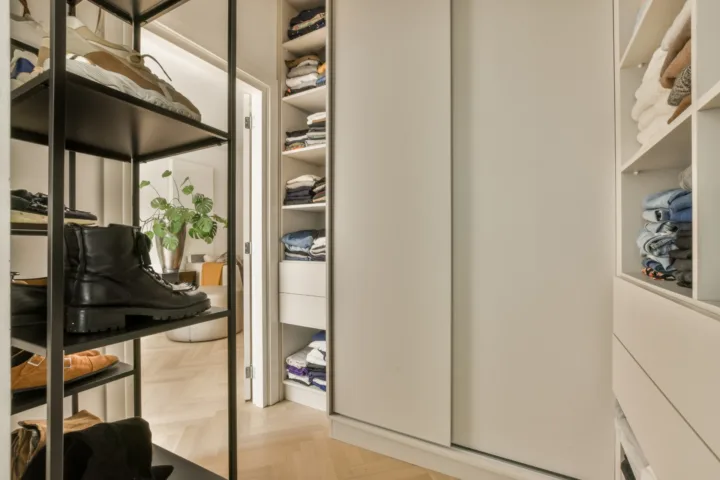
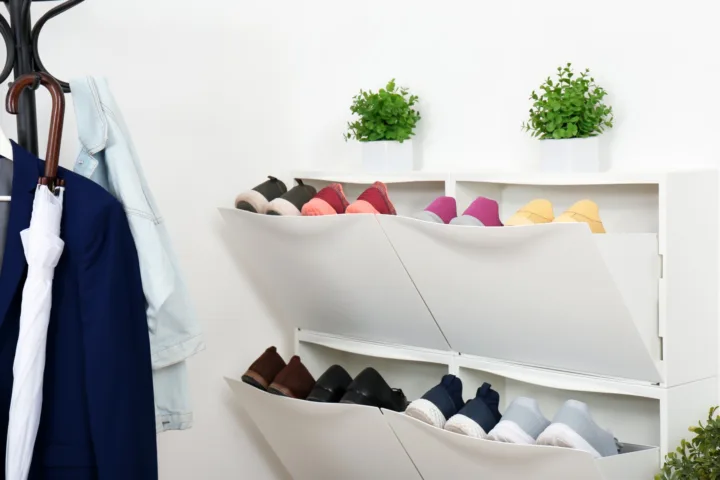
Piles of shoes on the floor made me trip daily. I switched to a mix of clear stackable boxes for special pairs and an open tiered rack for daily sneakers and flats. The clear boxes let me see the shoes without opening them.
Boots stand on the floor against the back wall with boot shapers inside so they keep their shape. Space saved. Frustration gone.
Store Out-of-Season Items Smart
I cannot keep four seasons in one small closet. Winter coats and heavy sweaters live in vacuum bags on the highest shelf or under the bed. Summer dresses rotate in when the weather shifts.
Labeled bins make the swap fast. I write the season and contents on the front so I never have to dig.
Add Light and Labels
A dark closet hides mess. I stuck a battery-powered motion light under the top shelf. Now I see everything the second the door opens.
Labels go on every bin and basket. Simple handwritten ones work fine. Guests and family members put things back correctly because the labels remove the guessing.
Use the Floor Without Losing It
The floor used to collect random shoes and bags. Now a slim rolling cart sits under the hanging clothes. It holds gym clothes, swimsuits, or the current season’s accessories. I pull it out when I need it and push it back when I finish.
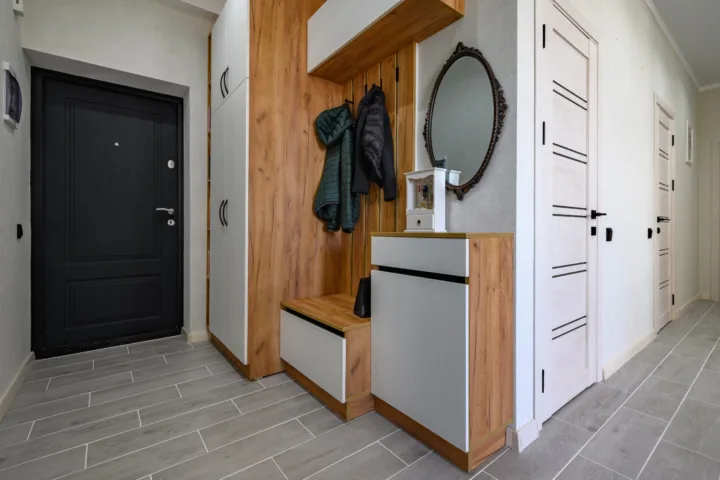
A small bench or stool near the door gives me a place to sit while putting on shoes. Bonus storage underneath for extra pairs.
Choose Matching Hangers
Mismatched plastic hangers waste space and look messy. I switched everything to slim velvet hangers in one color. They grip clothes so nothing slips. They take up less rod space so I fit more items.
The visual calm alone made me keep the system going.
Create a Landing Zone for Tomorrow
I added a small valet rod or a sturdy hook just inside the door. Tonight’s outfit hangs there. No more morning decisions while half awake. This tiny habit cut my get-ready time in half.
Keep 20 Percent Empty
I used to pack every inch. That left zero room for new items or breathing space. Now I leave open spots on the rod and one empty shelf section. The closet stays usable longer between big resets.
Make Accessories Visible
Jewelry and small bags used to hide in drawers. A simple wall-mounted board with hooks and a few trays keeps them in sight. I grab what I need without digging.
Rotate and Review Quarterly
Every three months I do a quick review. Anything I have not worn moves to the donate bag or the seasonal bin. This keeps the closet from creeping back into chaos.
Invest in One Quality System Piece
I started with cheap tension rods and fabric organizers. Once the layout proved itself, I upgraded the main hanging rod and added a sturdy set of drawer units that fit the width. Quality pieces last and look better.
Build the Habit of Putting Things Back
The best system fails if clothes land on the chair. I trained myself to hang or fold items the same day. It takes two minutes. The payoff is a closet that stays ready.
Real-Life Adjustments That Made These Stick
I live in a rental with a standard reach-in closet. No contractor. No custom millwork. Everything on this list works with basic tools or no tools at all. Some ideas cost under $20. Others required a weekend afternoon and a trip to the hardware store.
The first month felt awkward. I kept adjusting rod heights and bin sizes. By month two the system ran itself. Mornings got quieter. I stopped buying duplicates because I could finally see what I already owned.
See, the goal was never a magazine cover. It was a closet that supported my real life instead of fighting it.
Frequently Asked Questions
What are the most effective 17 line closet organization ideas for a tiny reach-in closet? Double hanging rods, vertical shelf space, and the back of the door deliver the biggest gains. I used those three first and saw the most immediate change.
How often should I reorganize after setting up these ideas? I do a light review every season and a full empty-out once a year. Daily put-away habits keep the big resets rare.
Do I need expensive systems to make these work? No. I started with tension rods, Command hooks, and basic bins from a discount store. The systems matter more than the brand names.
Can these ideas work in a walk-in closet too? Absolutely. The same principles scale up. You just gain more room for an island or deeper drawers while still zoning by category and frequency.
What if I share the closet with a partner or kids? Assign clear zones and use labels. I gave each person a section of rod and a bin. Ownership reduces the “where does this go” fights.
These 17 line closet organization ideas turned my daily frustration into a space I actually enjoy opening. Start with the purge and the second rod. Build from there at your own pace. Your future self will thank you every single morning when the right shirt is right where you left it.