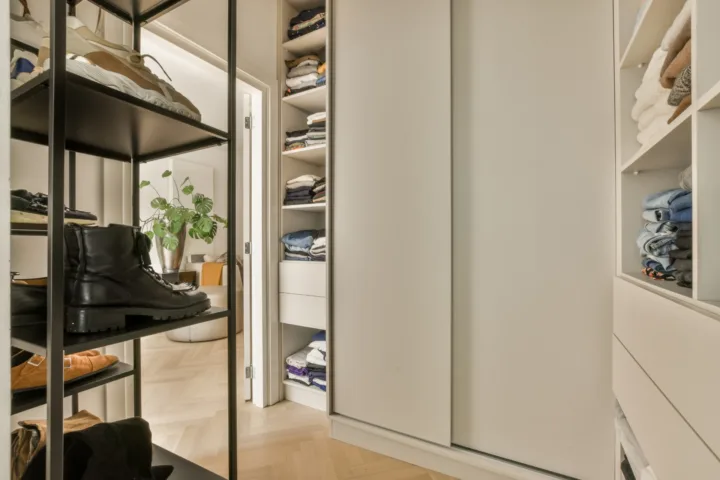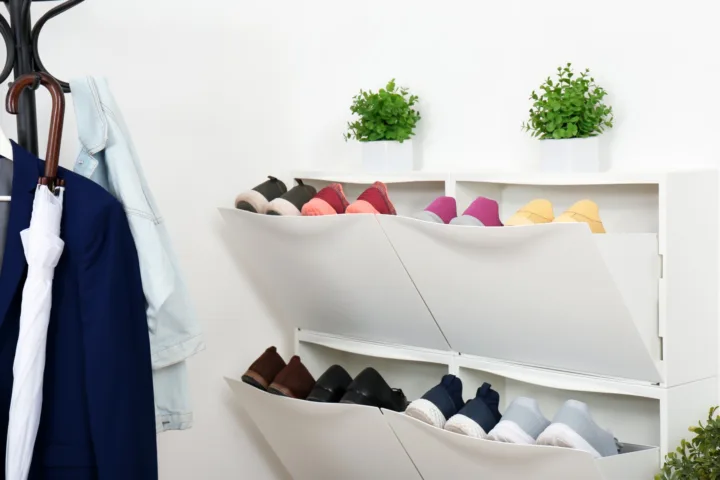

I used to ignore the top shelf in my closet like it was invisible. Dust collected. Random bags piled up. Seasonal stuff got shoved up there and never came back down. I wasted so much space and time digging around. Then I focused on the top shelf specifically, and everything changed. These 16 top shelf closet organization ideas gave me back control without a full remodel or expensive system.
Honestly? I almost gave up after the first failed attempt with mismatched boxes. See, the top shelf sits high. It feels out of reach. Most people treat it as a dumping ground. I did too. Now I treat it as prime real estate for the right things. You can do the same.
Why the Top Shelf Deserves Special Attention
The top shelf sits above the hanging rod in most closets. It stays out of daily sight. That makes it perfect for items you need less often. But if you leave it messy, the whole closet feels chaotic. I learned this the hard way after one too many mornings spent searching for a hat or extra sheets.
I keep a sturdy step stool right outside the closet door. That simple move removed the biggest barrier. Suddenly the high space felt usable. Accessibility matters more than you think.
16 Top Shelf Closet Organization Ideas That Work in Real Life
I tested these over months in my own reach-in closet and a small walk-in. Some cost almost nothing. Others needed a quick trip to the store. All of them stuck because they match how I actually live.
1. Clear Matching Bins with Labels
I switched to clear plastic bins that match in size and shape. Then I labeled every single one. Labels remove the guesswork. I no longer pull three bins down to find one scarf. Clear sides let me see contents at a glance. Matching sizes create clean rows instead of a jumbled skyline.
2. Seasonal Storage Only
I reserve the top shelf almost entirely for out-of-season clothes and gear. Winter coats go up in summer. Summer dresses go up in winter. This keeps the lower shelves and rods free for daily wear. I rotate twice a year. The change feels satisfying every time.
3. Shelf Dividers for Stacked Items
Stacks of sweaters or towels used to topple sideways. I added tall wire shelf dividers. They create neat vertical sections. Dividers keep everything upright and separate. I can pull one stack without disturbing the rest. They install without tools and work on most standard shelves.
4. Fabric Bins for Soft Accessories
Hard plastic works for some things. Soft fabric bins work better for hats, gloves, and scarves. They look warmer and compress slightly when space gets tight. I choose neutral colors so the shelf still looks calm. These bins hide visual clutter while staying easy to grab.
5. Stackable Containers for Maximum Height
My ceiling leaves extra vertical space above the top shelf. I use stackable bins to fill it. Two or three high works if the items stay light. I put the heaviest at the bottom. This turns dead air into usable storage. FYI, measure first so nothing scrapes the ceiling.
6. Luggage and Rarely Used Items
Suitcases and travel bags lived on the floor for years. Now they sit on the far end of the top shelf. I nest smaller bags inside larger ones when possible. This frees floor space and keeps dust off the luggage. I only reach for them a few times a year, so height is fine.
7. Labeled Baskets by Category
I group by micro categories. One basket holds winter hats. Another holds summer scarves. A third holds belts. Specific categories beat broad ones. When I need something, I know exactly which basket to pull. Labels face outward so I can read them from the floor with the step stool nearby.
8. Under-Shelf Baskets or Hangers
Some space sits wasted right under the top shelf. I clipped simple under-shelf baskets there for lightweight extras. They hold folded tees or small bags. This adds storage without taking shelf surface. Installation takes minutes and needs no drilling in most cases.
9. Acrylic Risers for Vertical Layers
I placed clear acrylic shelf risers on the top shelf. They create a second level within the same footprint. Shoes or small boxes sit on the riser. Flat items go underneath. Visibility stays high. Everything stays accessible with one lift.
10. Bookends for Bags and Clutches
Handbags used to lean and fall. I lined them up by size and added heavy bookends at each end. The bags stay upright and easy to see. This works especially well for structured purses. Soft totes go in bins instead.
11. Matching Woven Baskets for a Clean Look
When I want the shelf to look intentional, I switch to woven baskets in the same material and color. They hide contents while adding texture. I still label the fronts. The uniform look makes the entire closet feel more put together even when full.
12. Vacuum Bags for Bulky Items
Comforters and heavy winter layers take huge space. I vacuum-seal them and store the flat packs on the top shelf. They shrink dramatically. When the season changes, I open one and the bulk returns. This keeps the shelf from overflowing with puffy items.
13. Dedicated Hat and Cap Zone
I claim one section just for hats. Stackable hat boxes or open baskets keep them from crushing. Baseball caps sit in a simple wire organizer. This stops the pile of crushed hats I used to find every fall. Everything stays shape-ready.
14. Extra Linens and Towels in Labeled Totes
Spare sheets and guest towels used to live in random places. Now they sit in clear totes on the top shelf. I label by size or room. When guests arrive, I know exactly where to reach. Dust stays out thanks to the lids.
15. Lightweight Holiday or Special Occasion Storage
Holiday scarves, party bags, and special event accessories go up high. I keep them in one or two dedicated bins. This prevents them from mixing with everyday items. I pull the bin once or twice a year and the rest of the time it stays out of the way.
16. Leave Breathing Room
I never fill the top shelf completely. I leave about 20 percent empty. That space lets me add something new without rearranging everything. It also keeps the shelf from looking overloaded. Overfilling leads right back to chaos. I learned that the expensive way.
How I Maintain the System Without Constant Effort
I check the top shelf once a season. I pull everything down, wipe the surface, and put only the current seasonals back. Anything unused for a full year gets donated or discarded. This quick reset prevents slow buildup.
I keep the step stool in the same spot every time. Muscle memory helps. When I need something, the process takes under a minute. Consistency beats perfection here.
Common Mistakes I Made Early On
I once used random leftover boxes. The shelf looked messy even when organized. Matching containers fixed that instantly. I also stored heavy items up high at first. That made the stool feel dangerous. Now I keep weight reasonable and balance the load.
Another mistake: forgetting to label. I thought I would remember. I did not. Labels turned frustration into ease. IMO, labels matter more on high shelves than anywhere else because you cannot always see inside easily.
Frequently Asked Questions
What should I store on the top shelf of my closet? I store seasonal clothes, luggage, extra linens, and rarely used accessories. Keep daily items lower for easy reach.
How do I reach high closet shelves safely? I keep a sturdy step stool nearby at all times. Never climb on furniture or hang from the rod. A good stool removes the fear factor.
Do I need matching bins for top shelf closet organization? Matching bins create a cleaner look and make the system easier to maintain. Clear ones help me see contents without opening every container. The 16 top shelf closet organization ideas work even better when the containers look intentional.
Should I use lids on top shelf storage? I prefer lids for dust protection on high shelves. Open baskets work for items I grab more often. Choose based on how often you access the contents.
How often should I reorganize the top shelf? I do a full check twice a year with the seasons. Quick visual scans happen whenever I open the closet. Small adjustments prevent big messes later.
Final Thoughts from Someone Who Lived the Mess
The top shelf used to feel like a black hole. Now it works as hard as the rest of my closet. These ideas cost little and require no permanent changes. Start with clear labeled bins and a step stool. Add dividers and categories next. Watch the space transform.
I still smile every time I open the door and see clean rows instead of chaos. You will too. Grab a stool, clear the shelf, and pick two or three of these ideas today. The rest can follow. Your future self will thank you every morning when getting dressed feels simple again.