
I used to open my closet and feel instant defeat. Clothes slid off shelves. Shoes buried themselves under piles. Sweaters toppled every single time I reached for one. After years of half-hearted attempts, I finally landed on 20 closet organization ideas shelves that actually stuck. These came from my own trial-and-error, not some perfect Instagram fantasy.
Honestly? The change felt huge.
I started with a full purge. Then I focused hard on shelves because they were the weakest link in my setup. What follows is everything that worked for me, broken down so you can steal the best parts and skip the rest.
Why Shelves Matter More Than You Think
Most closets waste vertical space. A single high shelf leaves everything else in a messy heap below. I learned that the hard way. Adding more shelves or improving the ones I already had doubled my usable space without buying a single new piece of clothing.
See, the real problem was never the amount of stuff. It was how I stored it.
I treated shelves like dump zones. Stacks grew too tall. Categories mixed. Dust settled on the ones I never reached. Fixing that became my mission.
Adjustable Shelves That Bend to Your Life
I replaced my fixed shelves with adjustable ones first. That single move gave me breathing room.
Set Different Heights for Different Needs
Folded sweaters need about 12 to 14 inches of clearance. Shoes need less. Boots need more. I measured everything I owned and spaced the shelves accordingly. No more wasted air above short stacks.
Move Things as Seasons Change
Winter boots go low in cold months. Summer sandals take their place later. Adjustable shelves let me shift everything without tools or drama. I do this twice a year and it takes under an hour.
Floating Shelves for Open Access
I installed a few floating shelves on the side walls. They changed the whole feel.
Display Shoes Without Floor Clutter
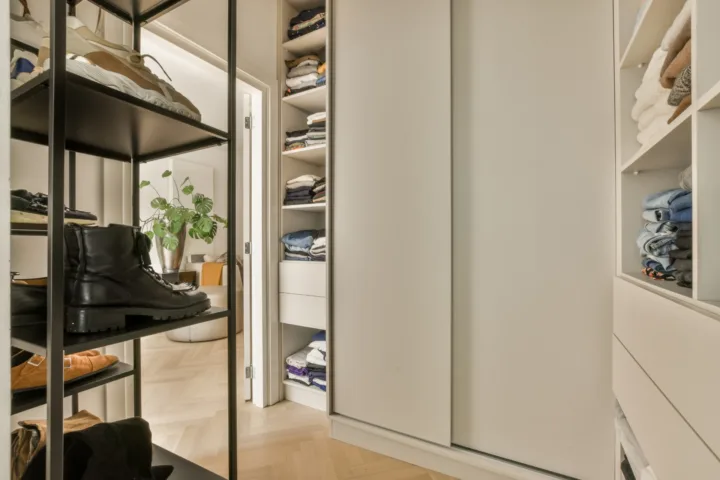
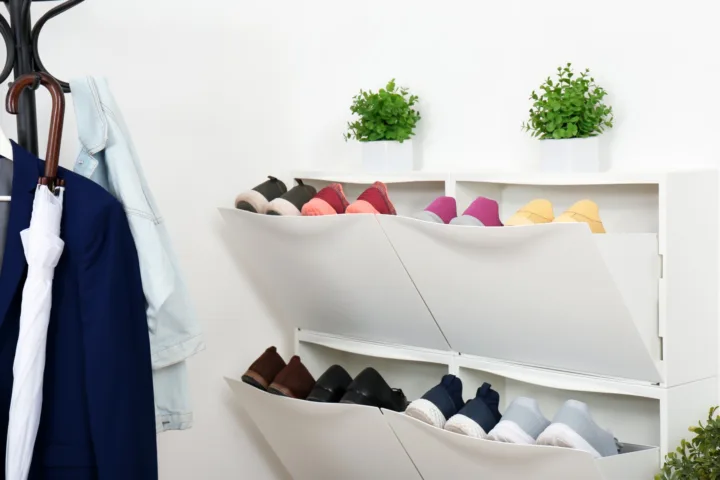
I lined up my everyday pairs on two floating shelves at eye level. No more digging through a pile on the floor. Each pair sits neatly, heels and all. Wire shelves would have let heels slip through, so I chose solid wood.
Keep Handbags From Slumping
Purses used to collapse into each other. Now each one stands on its own floating shelf with a small divider between them. I can grab the exact bag I need in seconds.
Shelf Dividers That Stop the Avalanche
This one feels almost too simple. Yet it solved my biggest frustration.
Clip-On Dividers for Stacked Clothes
I bought slim acrylic dividers and clipped them onto existing shelves. Sweaters stay in their own sections now. Jeans stay separate. No more toppling towers when I pull one item.
Keep Accessories Neat
Scarves, belts, and folded tees each get their own divided zone. The visual order alone makes me less likely to shove things back carelessly.
Bins and Baskets on Every Shelf
I used to hate the idea of bins. They felt like hiding mess. Then I labeled them and everything clicked.
Clear Bins for Visibility
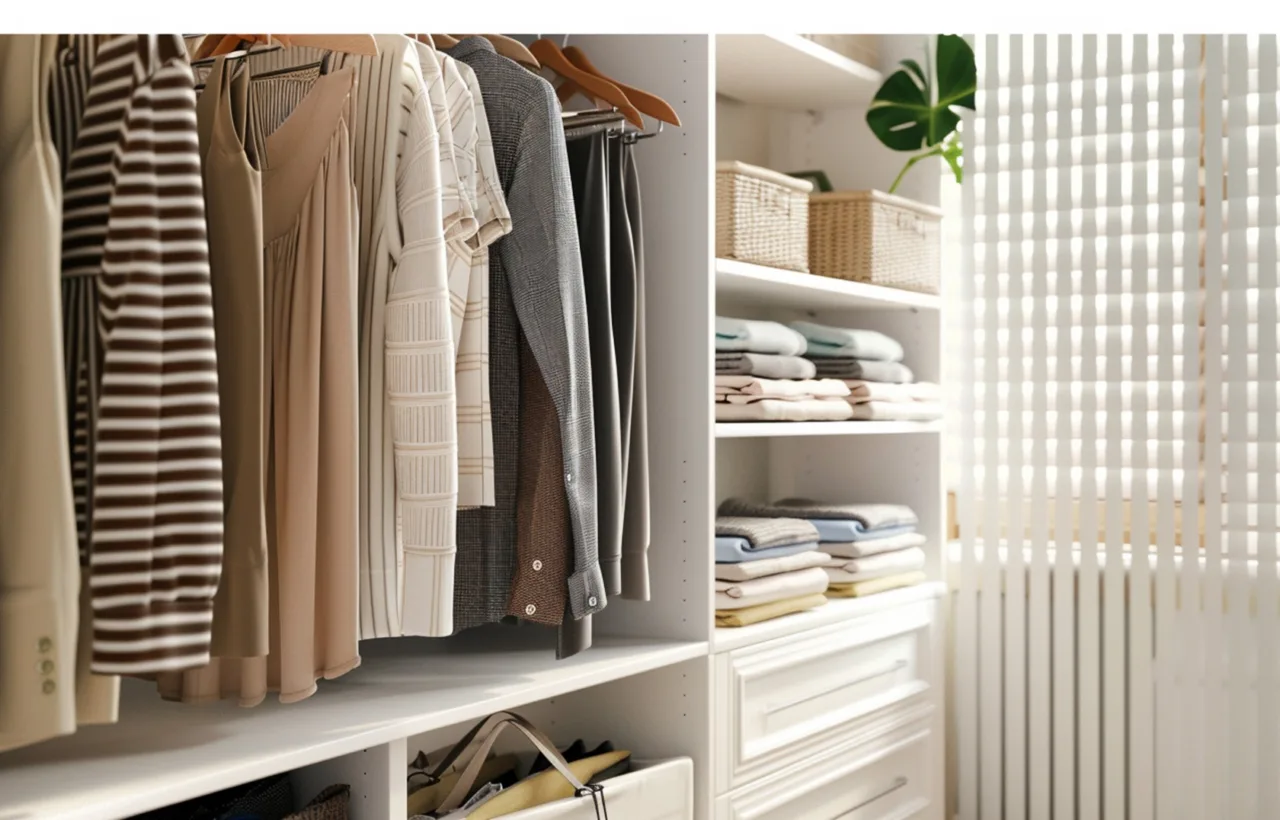
I chose clear plastic ones for everyday items. Socks, underwear, and workout gear live in labeled clear bins on mid-level shelves. I see exactly what is inside without opening anything.
Woven Baskets for Seasonal Storage
Out-of-season clothes go into matching woven baskets on the highest shelves. They look intentional instead of chaotic. Labels face forward so I never have to guess.
Vertical Space Hacks I Wish I Knew Sooner
Looking up changed everything for me.
Floor-to-Ceiling Shelving
I added shelves that reach almost to the ceiling. The top ones hold luggage and rarely used items. A small step stool lives nearby for those rare grabs.
Hanging Shelf Organizers
I hung fabric shelf units from the closet rod. They give me six extra levels for folded items right in the middle of hanging space. Perfect for the gap that used to sit empty.
Shoe-Specific Shelf Solutions
Shoes caused half my daily stress. I fixed that next.
Staggered Shoe Shelves
I built or bought shelves with staggered heights. Flat shoes sit low. Boots stand tall on deeper lower shelves. Nothing tips over anymore.
Shelf Risers for Double Duty
Simple risers let me stack two rows of shoes on one shelf. The front pair stays visible while the back pair sits slightly elevated. Genius for small closets.
Cubbies and Built-In Style Options
I mixed open shelves with cubby-style units.
Modular Cubbies for Folded Clothes
Cubbies keep stacks from spreading sideways. Each cubby holds one category. I pull the whole stack if needed without disturbing neighbors.
Mix Drawers Under Shelves
I placed a short drawer unit under a set of shelves. Underwear and socks live in the drawers. The shelves above stay free for bulkier items.
DIY Shelf Projects That Cost Almost Nothing
Not every fix needs a big budget. I did several myself.
Plywood Shelves Painted to Match
I cut simple plywood boards, painted them the same color as the closet walls, and mounted them on cleats. They look built-in and cost a fraction of custom systems.
Copper Pipe Industrial Shelves
In one spare closet I used copper pipes and wood planks for an industrial look. Strong, cheap, and surprisingly sturdy. I store heavier items there without worry.
Organizing by Category on Shelves
Once the hardware was solid, the system mattered more.
Group by Type First
All shirts together. All pants together. All sweaters in their own zone. I stopped mixing categories and suddenly finding things became automatic.
Color Order Within Categories
Inside each group I line things up by color. Dark to light. It looks calm and helps me spot duplicates faster.
Seasonal Rotation on Shelves
I used to keep everything out year-round. That was a mistake.
Top Shelves for Off-Season
Winter coats and heavy sweaters go up high when summer hits. Summer dresses take the middle shelves in winter. Rotation keeps the daily zone light.
Label the Seasonal Bins
Every bin gets a clear label with the season and contents. No more mystery boxes.
Under-Shelf Add-Ons
I found wasted space right under existing shelves.
Under-Shelf Baskets
Wire under-shelf baskets hang from the shelf above and hold rolled scarves or lightweight items. Zero footprint on the shelf surface itself.
Extra Rods Under High Shelves
Where a high shelf left empty air below, I added a short hanging rod. Perfect for shirts or pants that do not need full height.
Corner and Awkward Space Fixes
My closet has an awkward corner. I stopped ignoring it.
Corner Shelf Units
A simple corner shelf unit turns dead space into useful storage. I keep bags and hats there now.
Narrow Vertical Shelves
In the tightest spots I added narrow shelves just wide enough for folded jeans or shoes. Every inch counts.
Lighting and Finishing Touches
Organization is not only about storage. Visibility matters.
Add Simple Lighting
I stuck battery-powered lights under a few shelves. Suddenly the back of the closet stopped feeling like a black hole.
Consistent Labels Everywhere
Every bin, every divider zone, every seasonal section gets a label. Future me thanks past me every morning.
Maintenance Habits That Keep It Working
The system only lasts if I maintain it.
Weekly Five-Minute Reset
Every Sunday I spend five minutes putting stray items back in their zones. That small habit prevents total collapse.
One-In, One-Out Rule
When something new comes in, something old leaves. Shelves stay at a manageable capacity this way.
I still slip sometimes. A busy week can leave a few piles. But the structure makes recovery easy. I never go back to the old chaos.
Frequently Asked Questions
What are the best materials for closet shelves? I prefer solid wood or high-quality plywood for most shelves because they hold weight without sagging. Wire works fine for lighter items and improves airflow, but heels and small objects can slip through.
How many shelves do I need for a standard closet? It depends on what you store, but I found that adding two or three extra shelves beyond the builder-grade one made a huge difference. Measure your items first and space them to fit real stacks instead of guessing.
Can I use these 20 closet organization ideas shelves in a small closet? Yes. In fact, small closets benefit the most. Focus on vertical space, dividers, and clear bins. I used several of these ideas in a tiny reach-in closet and nearly doubled its capacity.
Do shelf dividers really work long-term? They do for me. The key is choosing sturdy ones that clip tightly and keeping stacks from growing taller than the divider. I check them during my weekly reset.
Should I buy a full closet system or DIY shelves? I did a mix. DIY shelves saved money in secondary closets. A modular system made sense in the main one because I wanted drawers and adjustable options in one package. Start with the cheapest high-impact fixes and upgrade later if needed.
I spent months testing these approaches in my own home. Some ideas I tried and dropped. The ones that stayed earned their place by making mornings calmer and the closet less of a daily battle. Pick three that speak to your biggest pain points and start there. The rest can follow once you see the difference. Your future self will notice every time you open those doors and actually find what you need.