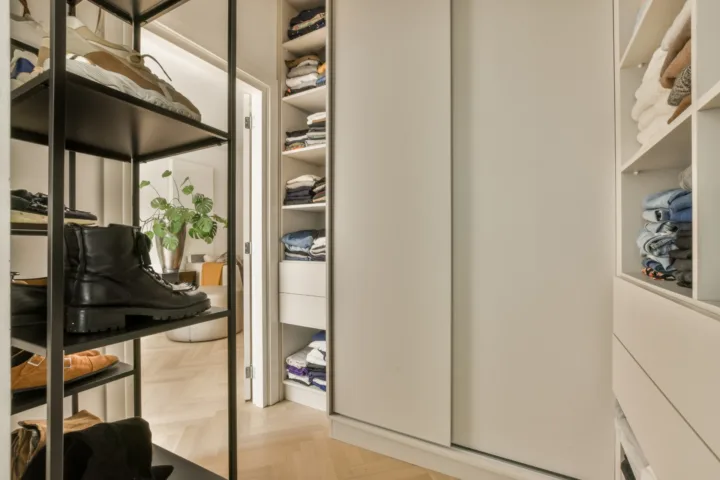
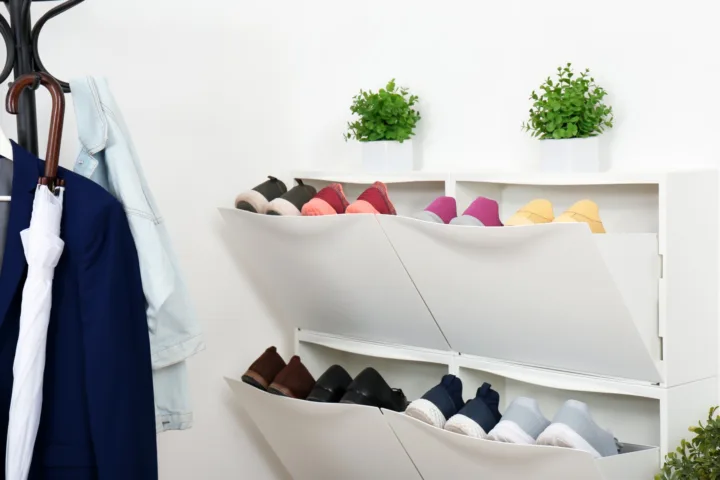
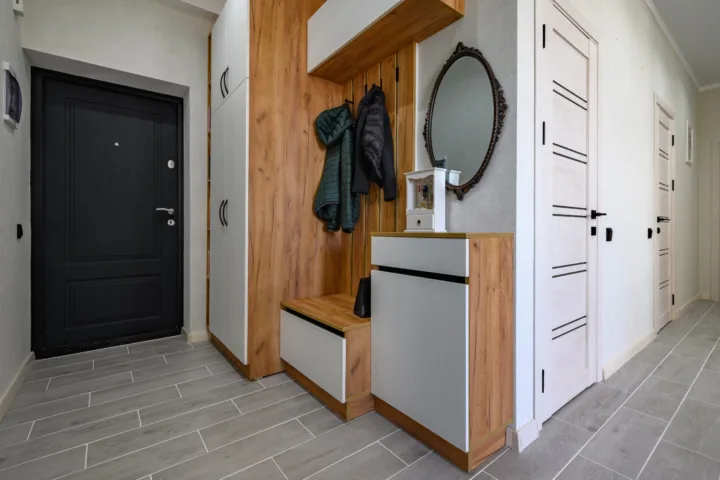
I used to wake up and immediately step on a stray heel. My closet floor looked like a shoe graveyard. I spent years shoving pairs into corners and promising myself I’d fix it later. Then I tested a bunch of real 16 shoe closet organization ideas and finally got my space under control. These aren’t fancy magazine setups. They’re the practical moves that worked for me in a regular reach-in closet with zero extra square footage.
Honestly? I felt defeated every time I opened that door. Piles of sneakers mixed with boots. Sandals lost under heavier pairs. I started small and kept going until the whole system stuck.
Why My Old Shoe Setup Failed So Hard
I tried the classic “just stack them” approach for years. It never lasted. Shoes tumbled. I lost mates. Dust built up. I wasted time hunting for the right pair before work.
See, the problem wasn’t that I owned too many shoes. I owned the wrong storage for the space I had. Once I measured the depth of my shelves and the gap under hanging clothes, everything clicked. Standard shelves run about 12 to 16 inches deep. Most adult shoes sit between 9 and 13 inches long. That left dead space behind every pair. I was throwing away a third of my shelf real estate without realizing it.
I also learned to edit first. I pulled every pair out. I kept only what I actually wore in the last year. The rest went to donation. That alone cut my collection by almost a third. Less stuff made organizing way easier.
16 Shoe Closet Organization Ideas That Actually Work
I grouped these by the type of space they claim. Some cost almost nothing. Others need a small investment. All of them use active space instead of fighting it.
1. Clear Stackable Boxes for Visibility
I bought a set of clear plastic shoe boxes that stack. Each one holds one pair. I can see exactly what’s inside without opening anything. I stacked them three high on the floor and two high on a lower shelf.
The boxes keep dust off and stop shoes from crushing each other. I label the short side with a strip of washi tape so I can read the style from the side. FYI, the ones with front-drop lids make grabbing a pair faster than the fully sealed versions.
2. Over-the-Door Hanging Organizer
The back of my closet door sat empty for years. I hung a 24-pocket mesh organizer and filled the pockets with flats, sandals, and lighter sneakers. Heavier boots stay out of it.
This single move freed the entire closet floor. I can see every pair at a glance when I open the door. The mesh lets air circulate so nothing gets musty.
3. Vertical Shoe Risers on Existing Shelves
I added cheap plastic risers to my existing shelves. Each riser creates a second level so I can stack one pair on top of another without crushing the lower one. I doubled the number of pairs on the same shelf length.
I keep everyday sneakers on the lower level and less-worn dress shoes on the upper. The height difference makes everything visible.
4. Heel-to-Toe Placement on Shelves
I stopped lining every pair up the same way. Now I place one shoe pointing forward and its mate pointing backward. The pair takes the depth of a single shoe instead of two.
This simple switch fit two extra pairs on every shelf. I still see both shoes clearly. No special tools required.
5. Tall Bookcase as a Shoe Tower
I dragged an old IKEA Billy bookcase into the closet. It’s 15 inches wide and deep enough for most shoes. I adjusted the shelves to different heights. Boots sit on the bottom. Flats and heels go higher.
The bookcase turned dead vertical space into storage for about 20 pairs. I can pull it out if I need to clean behind it. It looks cleaner than any freestanding rack I tried before.
6. Color-Coded Rows
I sorted every pair by color family. Neutrals first, then blacks, browns, and brights. Within each color I keep styles together.
Looking for a specific black heel now takes seconds. The whole wall of shoes feels calmer. My eye lands on the right section immediately.
7. Boot Shapers and Tall Boot Storage
Tall boots used to flop over and crease. I stuffed them with leftover dry-cleaner bags and plastic shopping bags. Then I stood them upright on the lowest shelf or in a dedicated boot tray.
The bags keep the shaft open. The boots stay shaped and take up less width. I pull the bags out when I wear the boots and stuff them back in when I put them away.
8. Under-Bed Rolling Bins for Off-Season Pairs
I moved summer sandals and heavy winter boots into low-profile rolling bins that slide under the bed. Each bin holds about 12 pairs. I label the short end so I know the season.
This cleared the closet of anything I won’t need for months. When the weather changes I swap the bins in five minutes.
9. Wall-Mounted Floating Shelves
I installed two simple floating shelves on the side wall of the closet. They hold my favorite statement heels and a few display pairs. The shelves sit high enough that they don’t interfere with hanging clothes.
I treat these like a mini boutique display. The rest of the collection stays practical. These shelves give me a little joy every morning.
10. Narrow Rolling Cart for Daily Drivers
I keep a slim three-tier rolling cart right inside the closet door. It holds the five or six pairs I wear most often. I roll it out when I get dressed and roll it back when I’m done.
The cart keeps the high-traffic shoes separate from the rest. I never dig through the whole collection for the same sneakers every day.
11. Divided Fabric Cubbies
I found soft fabric cubbies that fold flat when not in use. Each cubby holds one or two pairs. I line them along the floor or stack them on a lower shelf.
The fabric is gentle on leather. The open tops let me grab shoes fast. I use these for kids’ shoes too when they visit.
12. Lazy Susan Turntable for Corner Space
My closet has a weird corner that wasted space. I put a large lazy Susan turntable there and loaded it with shoes. One spin and I see every pair.
This works especially well for sandals and flats. Nothing gets buried in the back anymore.
13. Shoe Slots That Double Capacity
I added clear acrylic shoe slots that hold one shoe higher than the other. Each pair now sits in half the horizontal space. I doubled the number of pairs on two long shelves.
The slots keep everything visible and upright. They work best with flats and low heels. Boots still need their own zone.
14. Hanging Rod Organizer for Light Pairs
I hung a simple fabric organizer from the closet rod. It has pockets sized for flats and slip-ons. I keep it toward the side so clothes still hang freely.
This uses the vertical space above the main hanging area without blocking anything. I reach up, grab the pair, and go.
15. Mixed Open and Closed Storage
I keep the pairs I wear weekly on open shelves. Everything else goes into clear bins or boxes. The open section stays neat because it holds less. The closed section stays dust-free.
This mix stops the whole closet from looking busy. My eye only sees the shoes I actually reach for most days.
16. Seasonal Rotation System
I created two zones. Zone one holds the current season. Zone two holds everything else in labeled bins on the highest shelf. Every three months I swap.
The rotation keeps the active area from overflowing. I never have to dig past winter boots to find summer sandals.
How I Keep the System From Falling Apart
I spent one Saturday setting everything up. Then I made a simple rule. Every pair goes back to its exact spot the same day I wear it. No “I’ll put it away later.”
I also do a five-minute reset every Sunday. I straighten the rows and check for any pair that wandered. That tiny habit keeps the whole system alive.
Honestly? The biggest change came from treating shoes like inventory instead of random clutter. Once each pair had a home, I stopped buying duplicates because I could finally see what I already owned.
Small Closet Reality Check
My closet is only about four feet wide. None of these ideas require a walk-in. Most use products that cost under $30 each. The bookcase was the biggest single purchase and it still cost less than a custom system.
If your closet is even smaller, start with the over-the-door organizer and the heel-to-toe method. Those two alone reclaim a surprising amount of space.
Frequently Asked Questions
What are the best 16 shoe closet organization ideas for a tiny reach-in closet? I start with the over-the-door organizer, clear stackable boxes, and heel-to-toe placement. Those three free the floor and double shelf capacity without any construction.
How do I stop shoes from getting dusty in an open closet? I use clear boxes for anything I wear less than once a week. The open shelves only hold the pairs I grab constantly, so dust has less time to settle.
Should I organize shoes by color or by type? I do both. Color first for the overall look, then type within each color. It makes finding a specific pair faster than either method alone.
Can I organize a large shoe collection without spending a lot? Yes. I used an old bookcase, free dry-cleaner bags for boots, and basic plastic risers. The expensive-looking results came from the system, not the price tags.
How often should I reorganize my shoe closet? I do a full reset every season when I rotate. The weekly five-minute tidy keeps it from needing another big overhaul.
I still smile when I open the closet door. The floor stays clear. I find every pair in under ten seconds. These 16 shoe closet organization ideas turned a daily frustration into something that actually works. Start with the edit. Measure your space. Pick two or three ideas that fit your closet right now. The rest can wait. Your future self will thank you every single morning.