I spent years treating my basement closet like a black hole. Stuff went in. Nothing useful came out. Then I finally sat down with a notebook and figured out 15 basement closet organization ideas that actually worked in a real, imperfect space. The difference shocked me. What used to feel like a damp cave now holds seasonal gear, bulk supplies, and tools without the constant digging or musty smell.
Honestly? I almost gave up on the whole thing twice. The third attempt stuck because I stopped chasing perfect systems and started solving the actual problems: darkness, moisture, and vertical waste.
Here’s exactly what I did.
Start With a Ruthless Clear-Out Before You Buy Anything
I emptied every single item onto the floor. No exceptions. That pile looked worse than I expected. I sorted into keep, donate, trash, and relocate. Anything that had lived in the closet longer than a year without being touched got a hard look.
See, the wrong question is “Where do I put this?” The right question is “Do I still need this at all?” Once the volume dropped by about a third, the remaining stuff finally had room to breathe. I labeled temporary piles with painter’s tape so I didn’t lose track mid-process.
This step alone made every later idea possible. Skip it and you just reorganize clutter.
Go Floor-to-Ceiling With Sturdy Shelves
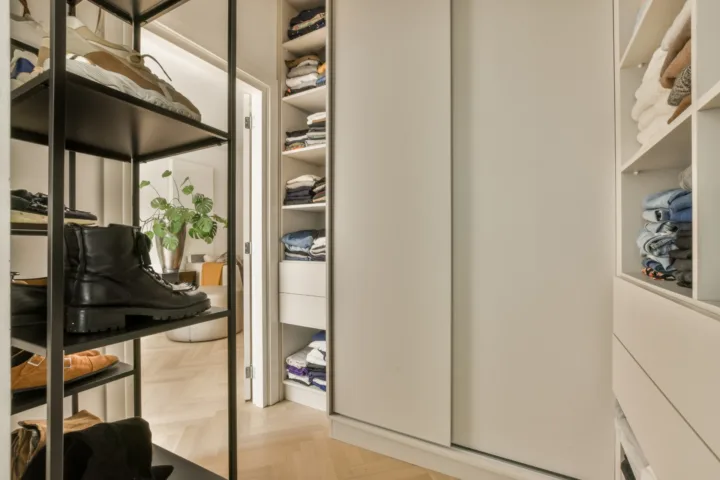
Vertical space is free real estate in a basement closet. I installed adjustable metal shelves that run from just above the baseboard all the way to the ceiling. Wire versions work better than solid ones because air can move around the bins.
I put the heaviest bins on the lower shelves and lighter seasonal items up high. A small step stool lives right inside the door now. That one change doubled the usable volume without expanding the footprint.
Key takeaway: Treat the height like square footage you already own.
Add Bright, Even Lighting Right Away
My closet used to swallow light. I replaced the single bare bulb with a simple LED flush-mount and stuck battery-powered strip lights under the top shelf. Motion sensors mean the light comes on the second I open the door.
The space stopped feeling like a cave. I could actually see labels and colors. FYI, warm-white LEDs around 3000K keep the vibe calm instead of harsh.
Raise Everything Off the Concrete Floor
Basement floors hold moisture. I learned that the hard way after one cardboard box collapsed. Now every shelf unit sits on plastic risers or 2×4 sleepers so the bottom shelf clears the floor by at least six inches.
I also keep a small dehumidifier running nearby set to about 50 percent humidity. That combination ended the musty smell for good.
Switch to Clear, Gasketed Plastic Bins
Cardboard is a moisture magnet. I moved everything into clear plastic bins with locking lids and rubber gaskets. Stackable sizes that nest cleanly make the shelves look intentional instead of chaotic.
I can see the contents without opening every lid. That alone cut my search time in half. Opaque bins still work for things I want hidden, but clear wins for most categories.
Label the Front and the Top of Every Bin
I used a cheap label maker and stuck tags on both the long side and the lid. When bins stack, I still know what lives inside. For fabric bins I switched to clip-on leather tags that look a little nicer.
Honestly? Mystery bins used to frustrate me every single time. Labels fixed that overnight.
Create Simple Zones by Category
I divided the closet into clear zones: seasonal clothing, holiday décor, bulk paper goods, tools and hardware, and kids’ overflow. Each zone gets its own shelf or stack of matching bins.
No more mixed piles. When I need the holiday lights I walk straight to that section. The rest of the house stays cleaner because the basement closet finally has a system that sticks.
Hang Tools and Long Gear on Heavy-Duty Hooks
Floor space disappeared under rakes, extension cords, and the step ladder. I mounted a row of heavy-duty hooks on the side wall. Everything hangs upright now.
A pegboard panel next to the hooks holds smaller hand tools. I can see every piece at a glance. The floor stays clear for the vacuum or a laundry basket when I need it.
Use the Back of the Door
The door itself is free real estate. I hung a sturdy over-the-door organizer with clear pockets for light bulbs, batteries, tape, and cleaning cloths. Small items that used to get lost in bins now live right at eye level.
It took ten minutes to install and immediately reduced the number of times I had to dig through larger containers.
Install a Second Hanging Rod for Seasonal Clothes
I added a tension rod or simple second rod below the existing one. Short items hang on the lower rod. Longer coats and dresses stay on the upper rod. That simple double-hang setup nearly doubled my clothing capacity without any new footprint.
Out-of-season pieces go into breathable garment bags on the higher rod or into labeled bins on the top shelf.
Try Pull-Out Baskets on Deep Shelves
Deep shelves hide stuff in the back. I switched a couple of shelves to pull-out wire baskets on slides. Now I can reach the rear items without unloading everything in front.
This works especially well for bulk paper products and extra linens. One smooth pull and the whole category comes into view.
Paint the Walls and Door a Light Color
Dark walls make a basement closet feel smaller and gloomier. I painted everything a warm white. The light bounced around and the space felt finished instead of forgotten.
It took one afternoon and a roller. The visual upgrade made me more willing to keep the system tidy.
Consider Sliding Doors or a Simple Curtain
A swinging door ate hallway space every time it opened. I swapped it for a sliding barn-style door on a basic track. In a tighter spot a tension-rod curtain works almost as well and costs almost nothing.
Either option keeps the closet accessible without blocking the path.
Hang Bulky Items From the Ceiling
Holiday wreaths, camping chairs, and extra sleeping bags used to eat floor space. I installed a simple overhead rack with hooks rated for the weight. Those items now live above head height and drop down only when needed.
Always check the joists first. A little planning keeps the ceiling storage safe.
Keep a Photo Inventory on the Bin Fronts
For the bins I open least often I taped a quick photo of the contents right on the front. Instant visual ID without opening the lid. It sounds extra, but it saves time when I’m looking for specific holiday pieces or rarely used tools.
I printed the photos on regular paper and sealed them with clear packing tape. Simple and effective.
Frequently Asked Questions
What are the best 15 basement closet organization ideas for a damp space? Focus on raising storage off the floor, using gasketed clear bins, wire shelving for airflow, and a small dehumidifier. Those four changes handle most moisture problems before you even get to the prettier ideas.
How do I keep my basement closet from smelling musty? Control humidity, keep items elevated, choose breathable or sealed containers, and leave a little space between bins and walls for air movement. A dehumidifier set around 50 percent relative humidity does the heavy lifting.
Should I use solid shelves or wire shelves in a basement closet? Wire shelves win in most cases. Air circulates freely and reduces the chance of trapped moisture. Solid shelves can work if you elevate them and monitor humidity carefully.
How often should I reorganize a basement closet? I do a quick seasonal check every six months. Pull out the next season’s items, return the previous ones to labeled bins, and wipe down the shelves. That rhythm keeps the system from sliding back into chaos.
Can these ideas work in an unfinished basement closet? Yes. Most of what I used requires no drywall or fancy finishes. Metal shelves, plastic bins, hooks, and battery lights install easily on concrete or studs.
I still walk into that closet and feel a quiet sense of relief. The space works. I can find what I need in under a minute. The musty smell is gone. And I no longer dread opening the door.
Pick one idea this weekend. Start with the clear-out or the lighting. Momentum builds fast once the first change sticks. Your basement closet can stop being a dumping ground and start being useful storage. I promise the effort pays off every single time you reach for something and actually find it.