
Standing water in the bathroom sink hits different when you’re already late. I learned that the hard way last winter when my drain quit mid-brush and left me staring at a gray pool of toothpaste foam. Learning how to unclog a sink bathroom became my unexpected weekend project, and I refused to hand over cash to a plumber for something I could fix myself.
I tried the usual panic moves first. They flopped. Then I slowed down, tested a few simple methods, and finally got the water moving again. Here’s everything that worked for me, laid out the way I wish someone had told me the first time.
Why Bathroom Sinks Clog So Often
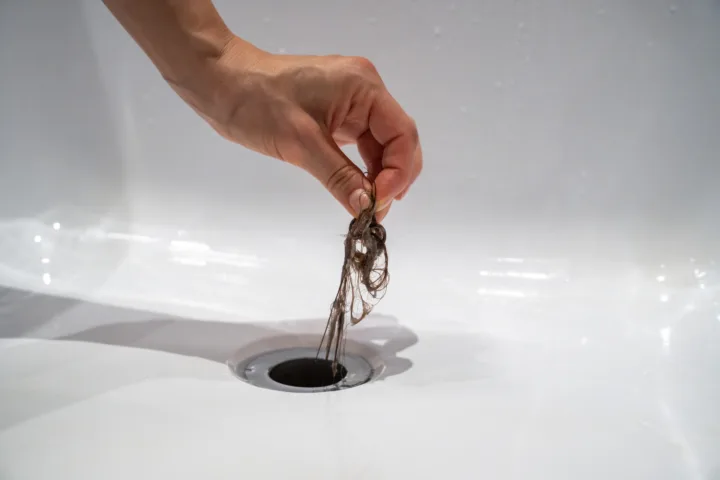
Hair is the main culprit. Soap scum and toothpaste residue stick to it and build a sticky plug right under the stopper. I used to blame the pipes. Honestly? The problem usually starts much closer to the surface.
Most bathroom sinks have a pop-up stopper that catches every loose strand. Over weeks that hair turns into a dense mat. Add a little dried soap and the drain slows, then stops. I noticed mine always clogged faster in winter when I used thicker products.
See, once you know the cause, the fix gets simpler. You don’t need fancy gear for the first few attempts.
First Thing I Always Do: Pull the Stopper
I start here every single time now. Remove the stopper and check the underside. That’s where the real party hides.
Here’s how I do it:
- Lift the stopper straight up. Some twist counterclockwise.
- If it won’t budge, open the cabinet and loosen the pivot rod nut by hand.
- Pull the stopper free and wipe the gunk with a paper towel.
I found a wet clump of hair the size of a grape the first time. Gross. Effective. After that the water drained better right away. FYI, this step alone clears the clog more often than people admit.
Place a bowl beneath the pivot rod nut before loosening it, because water trapped in the drain assembly can spill inside the cabinet.
My Go-To Methods for How to Unclog a Sink Bathroom
I rank these by how little effort they take. I work down the list until the sink clears.
Method 1: Hot Water Flush
I fill a kettle and pour the hottest water I can safely handle straight down the open drain. Not boiling if the pipes are plastic. Just very hot.
The heat softens soap scum. The volume of water gives soft buildup a push. I run the tap full blast for a full two minutes after. Sometimes that’s enough. Sometimes it isn’t. Easy first try though.
Method 2: Baking Soda and Vinegar
I pour half a cup of baking soda down the drain. Then I follow with one cup of white vinegar. It fizzes hard. I cover the opening with a wet rag and wait fifteen minutes.
The reaction loosens light residue. After that I flush with more hot water. This never fixed a full hair clog for me, but it helped after I already pulled the worst of the hair out. IMO it’s better as a maintenance step than a heavy hitter.
Method 3: The Plunger
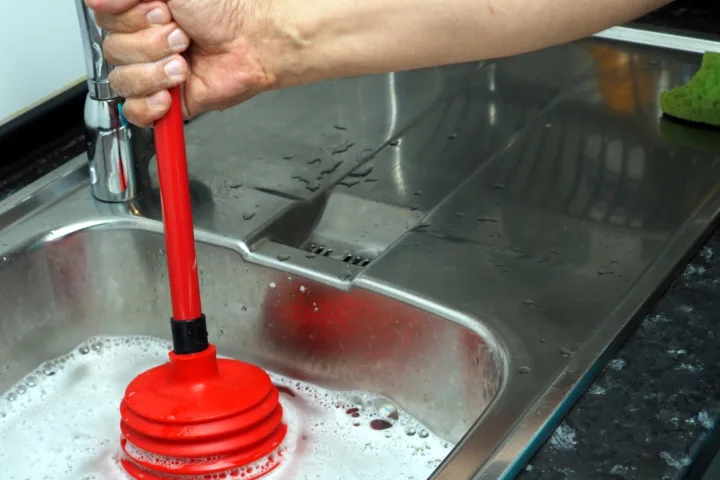
I keep a small cup plunger just for sinks. The big toilet one is too large.
Steps I follow:
- Stuff a wet rag into the overflow hole so air doesn’t escape.
- Add enough water to cover the plunger cup.
- Center the plunger and push hard for twenty to thirty seconds.
- Pull up sharp and check the drain.
I usually need three or four rounds. When it works the water drops fast. That sound still makes me grin.
Method 4: Plastic Drain Snake or Zip-Tie Trick
This one saved me when the plunger failed. I bought a cheap plastic hair snake with barbs. You can also use a long zip tie with the teeth filed a little sharper.
I push it down the drain, twist, and pull. Hair comes out in strings. I wipe the tool and repeat until nothing else sticks. Takes five minutes. Costs almost nothing. I keep two in the cabinet now.
Method 5: Cleaning the P-Trap
If everything else fails I go under the sink. I put a bucket down first. Always.
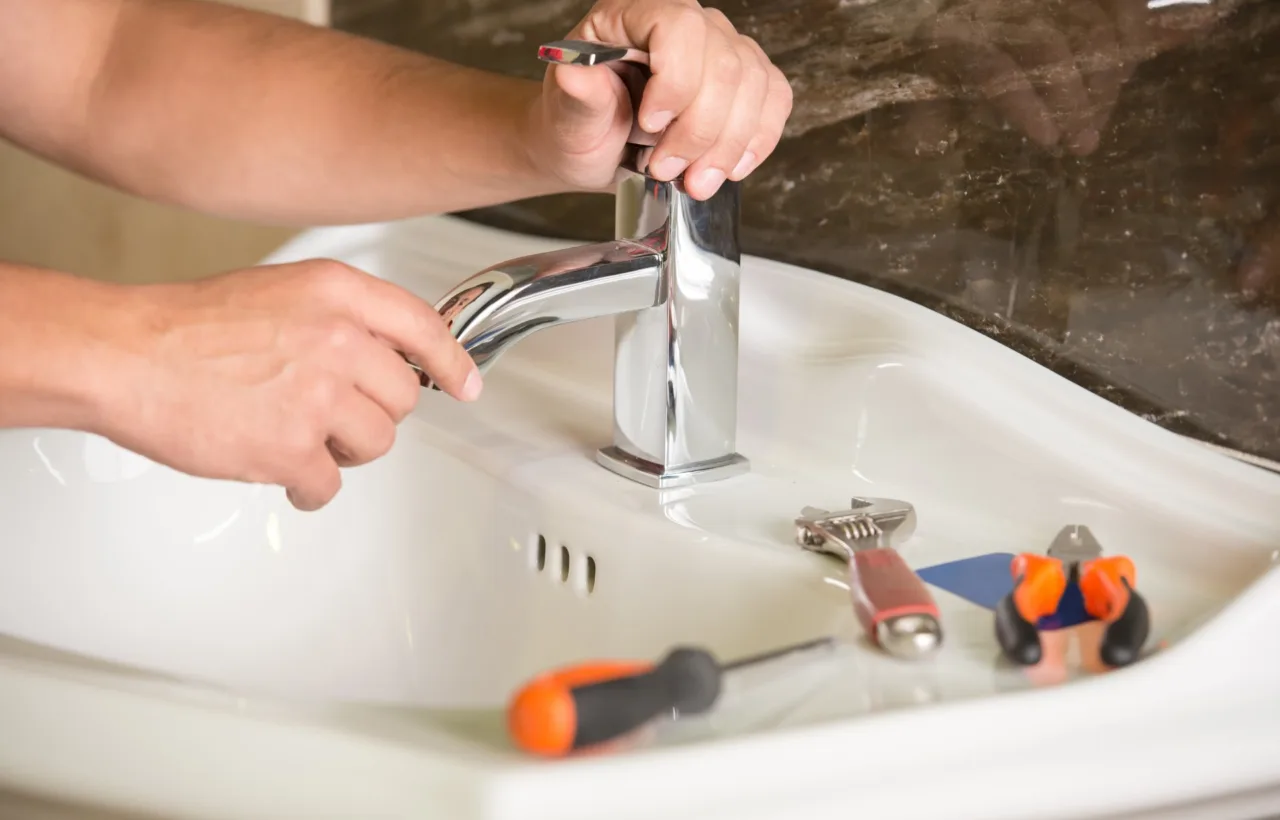
I loosen the slip nuts by hand or with pliers. The curved pipe drops into the bucket. I dump the water, pull out any remaining gunk with a gloved hand or screwdriver, and rinse the trap in the other sink. Then I reassemble and tighten by hand.
The first time I did this I felt nervous. The second time it felt routine. Most bathroom clogs live right there in that curve.
What I Avoid Now
I used to reach for chemical drain openers. They smell terrible and can damage older pipes. I also stopped pouring boiling water into porcelain or plastic without checking first. One cracked sink taught me that lesson.
I skip the enzyme cleaners unless the clog is pure soap scum with no hair. They need time to work and I usually want results faster.
Tools I Actually Keep on Hand
I don’t own a full plumber kit. Here’s my short list:
- Small cup plunger
- Plastic drain snake with barbs
- Rubber gloves
- Old toothbrush for the stopper
- Bucket
- Baking soda and vinegar
That’s it. Everything else lives under the sink already.
How I Keep the Drain Clear Longer
Prevention is boring until the sink backs up again. I pull the stopper once a month and wipe it. I also run hot water for a minute after every shower or heavy hair-brushing session.
A cheap mesh screen over the drain helps too. I hated the look at first. Then I saw how much hair it caught and changed my mind. Now I empty the screen every few days.
When I Finally Call a Pro
If the water still sits after the P-trap and the snake, the clog is deeper in the line. That’s when I stop. I’ve only hit that point once. The plumber found a section of pipe that needed clearing further down. Glad I didn’t keep forcing tools past that point.
Frequently Asked Questions
Can I use baking soda and vinegar every time I need to know how to unclog a sink bathroom? It helps with light soap buildup but rarely clears a full hair clog on its own. I treat it as a follow-up step after removing the stopper and hair.
Is boiling water safe for every bathroom sink? Only if your pipes are metal and the sink itself can handle heat. Plastic pipes and porcelain can crack. I stick to very hot tap water when I’m unsure.
How often should I clean the P-trap? I only open it when other methods fail. Once a year is plenty for most people unless you shed a lot of hair.
What’s the fastest way to unclog a bathroom sink in a hurry? Pull the stopper, grab a plastic drain snake, and yank the hair out. That combination has fixed mine in under ten minutes more times than I can count.
Do I need special tools for a slow-draining sink versus a fully clogged one? No. The same steps work. A slow drain just means less standing water to deal with first.
Final Thoughts
I used to panic every time the bathroom sink slowed. Now I treat it like any other small household job. Remove the stopper. Try the simple methods. Move to the snake or P-trap if needed. The whole process rarely takes longer than twenty minutes once you know the order.
Next time the water sits there looking at you, start with the stopper. You’ll probably fix it before you finish your coffee. And if you still need backup, at least you’ll know you tried every smart step first.