I used to stand in front of my closet every morning feeling defeated. Clothes everywhere. Nothing matched. I wasted so much time hunting for that one blue top I knew I owned. Then I tried organizing by color and everything shifted. These 20 closet organization ideas by color gave me a system that actually sticks. I share them here because they worked for me after years of half-hearted attempts.
Honestly? The change felt almost too simple at first. But it stuck.
Why I Finally Sorted My Closet by Color
My old system was pure chaos. I shoved everything in by type and hoped for the best. Mornings dragged. I bought duplicates of shirts I already owned because I could not see them. Sound familiar? You open the door and the mess hits you right in the face.
I decided to try color after seeing a friend pull off a clean rainbow setup. I started small. One section of tops. The difference showed up fast. I found outfits quicker. I stopped buying the same black sweater three times. My closet finally looked intentional instead of like a laundry pile that never ended.
See, color organization is not just pretty. It cuts decision fatigue. Your eye lands on what you need. That is the real win.
Getting Ready Before You Start Sorting
I learned the hard way that jumping straight into color piles creates more mess. Clear the space first. Pull everything out. Yes, everything. Lay it on the bed or floor.
I sort into keep, donate, and maybe piles. The maybe pile gets a second look later. Be honest with yourself. If you have not worn it in a year, it goes. I donated two bags the first time and felt lighter immediately.
Match your hangers. I switched to all slim velvet ones in the same color. The uniform look makes the color sections pop. Different hangers make the whole thing look sloppy even after you sort.
Take photos before and after if you want. I did. Looking back at the before shot still makes me laugh.
My Core Rainbow Method and How I Made It Work
The classic approach remains my favorite. I hang clothes in rainbow order because it feels natural. Red through violet. Neutrals sit at the ends.
Here is exactly how I do it now.
Start with Neutrals as Anchors
I place whites, creams, and beiges first. Then I move into the bright colors. Blacks and grays finish the line. This creates clean bookends. The rainbow sits in the middle and looks intentional instead of chaotic.
Follow ROYGBIV Within Categories
I group by type first. All tops together. All pants. All dresses. Then I color sort inside each group. Reds, oranges, yellows, greens, blues, purples. Within each color I go light to dark. Pale pink before hot pink. Sky blue before navy.
That light-to-dark step creates a soft gradient. It looks polished. It also helps when I reach for something specific.
Handle Patterns the Simple Way
Patterns used to stump me. Now I hold the piece at arm’s length and squint. Whatever color jumps out first becomes its home. A floral with a pink base goes with pinks. Stripes with a navy background join the blues. This rule keeps everything consistent.
20 Closet Organization Ideas by Color That I Actually Use
I tested dozens of approaches over the last few years. These twenty stuck because they fit real life. Not perfect Pinterest life. My actual messy, busy life.
1. Full rainbow hanging rod. Hang every category in ROYGBIV order. This is the big visual statement. I do this for my main hanging space and it still makes me smile every time I open the door.
2. Light-to-dark gradients inside each color. Once you have the color groups, sort each one from pale to deep. The flow feels calm. Finding the exact shade becomes automatic.
3. Neutrals at both ends. Whites and creams on the left. Blacks and grays on the right. The color sections sit safely in the middle. This stops the rainbow from looking unfinished.
4. Category first, then color. Sort tops, bottoms, dresses, and outerwear separately. Color code inside each group. This keeps similar shapes together so you can grab a full outfit faster.
5. Warm and cool clusters. Group reds, oranges, yellows, and warm pinks on one side. Blues, greens, and cool purples on the other. I use this when my wardrobe feels too mixed. Mixing becomes easier because related tones sit near each other.
6. Dominant color for every print. As I mentioned earlier, squint and place. No more mystery piles of busy patterns.
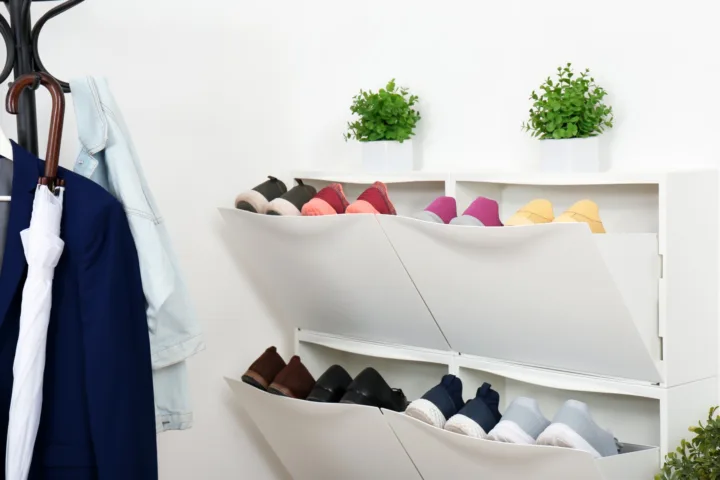
7. Shoes lined up by color. I keep shoes on a low rack or in clear boxes sorted the same way as the clothes. Black shoes with black clothes zone. It sounds small but it speeds up the final step of getting dressed.
8. Scarves and belts in color order. Hang them on hooks or roll them in a drawer sorted by hue. I used to dig for the right scarf every time. Now I see it instantly.
9. Matching hangers across the whole closet. I already covered this, but it deserves its own spot. Uniform hangers make the color story stronger. Different styles break the visual line.
10. Seasonal color priority. Current season colors sit at eye level. Off-season pieces go higher or lower. In summer my bright colors move forward. Winter brings the deep tones up front. I rotate twice a year and it keeps the system fresh.
11. Favorite colors front and center. I wear a lot of blues and greens. Those sections sit right where my hand lands first. Less-used colors move to the edges. This is pure personal preference and it works.
12. Color-blocked sections without full rainbow. Some people hate strict ROYGBIV. I get it. Group all blues together, all greens together, and leave gaps between the blocks. The look stays clean without forcing every shade into a spectrum.
13. Drawer stacks by color. Folded items get the same treatment. I stack t-shirts and sweaters light to dark inside each drawer. The top of the stack shows the gradient. Easy to see. Easy to maintain.
14. Clear bins labeled by color family. For accessories or off-season pieces I use clear bins. A pink bin for pink scarves and small items. It keeps the system consistent even in storage.
15. Denim sorted by wash. Light wash, medium, dark. I treat denim as its own color family. It sits near the blues but stays separate so the washes stay distinct.
16. Separate section for true multi-color pieces. If a piece has no clear dominant color I give it its own small zone. This stops me from forcing it into the wrong spot and breaking the flow.
17. Vertical color zones on tall rods. In my deeper closet I use the height. Upper rod holds one color family. Lower rod holds another. It maximizes space without mixing everything.
18. Hanger tags or small dividers between colors. I added simple plastic dividers labeled with the color. When I put laundry away the tags remind me where everything belongs. Maintenance stays easy.
19. Jewelry and small accessories color matched. I keep a tray system where earrings and necklaces sit near their matching clothing colors. Sounds extra. It actually saves time when I want a coordinated look.
20. Monthly five-minute reset. Once a month I walk the closet and fix any pieces that drifted. Five minutes. That is it. The system stays alive because I refuse to let small messes grow.
How I Keep the System Alive Long Term
The first sort is the hard part. After that the system runs itself if you respect a few rules.
I put laundry away in color order every single time. No dumping. No “I’ll fix it later.” That habit alone keeps the rainbow intact.
I also leave a little breathing room on the rod. Crowding hides colors and ruins the gradient. Twenty percent empty space is my personal rule. It feels luxurious and practical at the same time.
When new clothes come in I place them in their correct color spot right away. No temporary hanging. The system only works if every piece has a home from day one.
IMO the biggest mistake people make is treating this as a one-time project. It is a living system. Treat it that way and it stays useful.
Real Results I Noticed After Six Months
Mornings got shorter. I pick outfits in under two minutes most days. I stopped buying duplicates because I can finally see everything I own. The closet looks good enough that I leave the door open sometimes. Guests notice and ask how I did it.
I also wear more of my colorful pieces now. When they sit next to each other I remember they exist. Before they got buried under neutrals and I defaulted to black every day.
The visual calm carries into the rest of my day. That surprised me most. A tidy color-coded closet sets a better tone than I expected.
Frequently Asked Questions
Do I have to use the full rainbow order for these 20 closet organization ideas by color? No. You can stick with light-to-dark inside color groups or warm-versus-cool clusters. The rainbow just happens to be the most visually satisfying version for me.
What if most of my clothes are black, white, and gray? Treat them as their own gradient. White to cream to gray to charcoal to black. Add any accent colors in small sections between the neutrals. It still looks intentional.
How long does the first full sort usually take? For me it took one focused afternoon. About three hours including the purge. After that the weekly maintenance takes almost no time.
Can I do this in a tiny closet? Yes. Focus on one rod or one shelf first. Even a small section sorted by color feels better than a full closet of chaos. Expand as space allows.
What about clothes that are half one color and half another? Dominant color rule still wins. Hold it up, squint, and place it with the strongest color you see. Consistency matters more than perfection.
Final Thoughts From Someone Who Almost Gave Up
I almost quit the first time the system started slipping. Laundry day got busy. Pieces ended up in the wrong spots. Honestly? I felt silly for caring so much about color order.
Then I spent ten minutes fixing it and the calm returned. That was the moment I realized this was not about perfection. It was about making my mornings easier and my clothes more usable.
You do not need a walk-in closet or expensive organizers. You need a clear order and the willingness to put things back the same way every time. Start with one category this weekend. Tops are the easiest entry point. Once you see the difference you will want to keep going.
Your future self will thank you every single morning.