
My hall closet used to swallow everything whole. Coats slid off hangers. Shoes formed a permanent pile by the door. Umbrellas and bags fought for the same three hooks. I lived with that mess for years until I decided enough was enough and tested every practical fix I could find. These 15 small hall closet organization ideas changed how I use that tiny space. I stopped fighting the closet and started making it work for me instead.
Honestly? The breakthrough came when I treated the closet like a tool, not a dumping ground. See, most advice focuses on pretty photos. I needed systems that survived real life with kids, guests, and rainy days. What follows is exactly what worked in my narrow hallway closet. No fancy renovations. Just smart moves that doubled the usable space and cut my morning scramble in half.
Why Small Hall Closets Feel Impossible at First
I used to blame the size. The closet sits right by the front door. It measures barely three feet wide and maybe two feet deep. That footprint looks hopeless until you stop treating it like a regular clothes closet.
Hall closets serve a different job. They hold coats, shoes, bags, scarves, umbrellas, and the random stuff people drop on the way in or out. The real problem is not square footage. It is wasted vertical space and zero zones. Once I accepted that, the solutions got clearer.
I started by clearing every single item out. That felt dramatic. It also revealed how much junk had no business living there. Old shopping bags. A broken vacuum attachment. Three half-empty packages of lightbulbs. Out they went. The purge alone made the closet feel twice as big.
The 15 Small Hall Closet Organization Ideas That Worked for Me
I grouped these by the biggest wins first. You can pick and choose, but the order matters. Start with the structural changes. Then move to the finer details.
1. Empty Everything and Sort Ruthlessly
I pulled every coat, shoe, and bin onto the hallway floor. Then I made three piles: keep, donate, trash. Anything I had not touched in a year left the house. Seasonal coats went into a labeled bin for the attic. The keep pile shrank fast.
This step hurts. It also creates the only clean slate that matters. Without it, every other idea fails. I do a mini version of this purge every spring and fall now. It takes twenty minutes and keeps the system honest.
2. Add a Second Hanging Rod
Most hall closets come with one rod at roughly sixty inches high. That leaves a huge dead zone underneath. I installed a tension rod about forty inches from the floor. Short jackets and kids’ coats hang on the lower rod. Longer coats stay up top.
The change cost under twenty dollars and took ten minutes. Suddenly I had room for twice as many outerwear pieces. Double rods remain the highest-impact upgrade for any small hall closet. I still use the same rods three years later.
3. Switch to Slim Velvet Hangers
Plastic hangers waste rod space. Velvet ones measure about a fifth as thick. I replaced every hanger in one afternoon. The difference shocked me. Coats that used to jam together now hang with breathing room.
FYI, matching hangers also make the closet look intentional instead of chaotic. I bought a bulk pack and never looked back. Clothes stay put instead of sliding into a heap at one end of the rod.
4. Claim the Back of the Door
The door offers almost eight feet of vertical real estate most people ignore. I hung a simple over-the-door organizer with clear pockets. One side holds gloves and scarves. The other side holds lightweight bags and dog leashes.
Nothing touches the floor. Everything stays visible. I grab what I need without digging. This single addition removed half the clutter that used to live on the closet floor.
5. Install Sturdy Wall Hooks
I mounted four heavy-duty hooks along one side wall. Bags, umbrellas, and tote bags live there now. The hooks sit high enough that coats can still hang freely underneath.
Hooks solve the “where do I put this wet umbrella” problem instantly. I chose ones that match the closet hardware so they blend in. The visual clutter dropped overnight.
6. Create Clear Zones by Category
I divided the closet into three horizontal bands. Top shelf holds seasonal bins and rarely used items. Middle zone handles everyday coats and jackets. Floor level stores shoes and a small bin for outgoing mail or packages.
Zones stop the random pile-up. When everything has a neighborhood, putting items away becomes automatic. I labeled the zones with simple chalkboard tags at first. Now muscle memory does the work.
7. Use Stackable Clear Bins on the Top Shelf
Opaque bins hide contents. Clear ones let me see everything at a glance. I stacked two medium bins on the high shelf. One holds winter accessories. The other holds summer hats and beach bags.
I can pull either bin down without a ladder most days. The clear plastic also stops me from forgetting what lives up there. Seasonal rotation became painless.
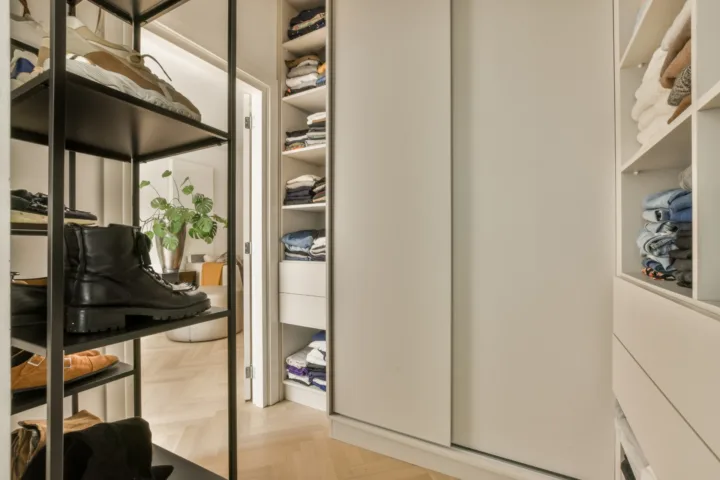
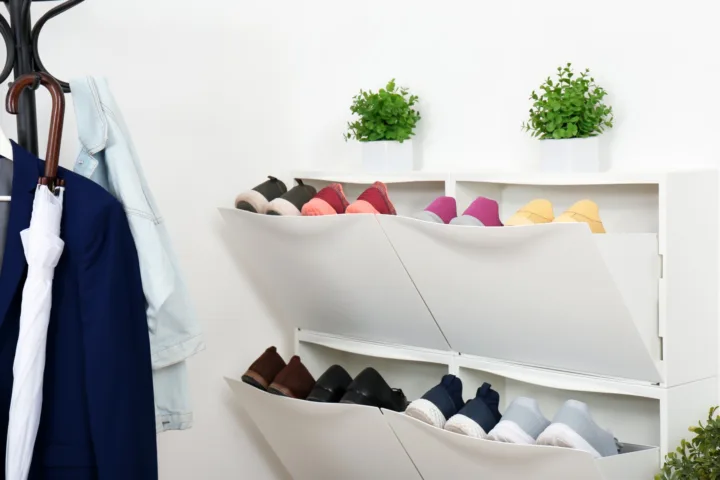
8. Add a Slim Floor Shoe Rack
Shoes used to form a landslide every time someone opened the door. I placed a narrow three-tier rack that fits the depth of the closet. Nine pairs sit neatly now. Boots go in a separate low bin beside it.
The rack keeps shoes off the floor and makes the whole closet look finished. I wipe it down once a month. No more mystery dirt tracked into the house.
9. Mount a Small Pegboard for Odds and Ends
A wooden pegboard on the remaining side wall holds keys, sunglasses, and the dog’s walking supplies. I used removable adhesive strips so I could adjust the layout. Pegs move as needs change.
This board turned dead wall space into functional storage. It also keeps small items from migrating onto the kitchen counter. I check it every morning before I leave.
10. Label Everything That Moves
I bought a cheap label maker and tagged every bin and basket. “Gloves – Family,” “Scarves – Winter,” “Outgoing Packages.” Labels remove the guesswork for everyone who uses the closet.
Kids and guests now put things back correctly. I spend almost no time re-organizing after busy weekends. Labels feel like a small detail. They deliver outsized calm.
11. Install Shelf Risers for Double Duty
The existing top shelf wasted half its potential. I added two metal risers that create a second level. Flat items sit on the riser. Taller bins slide underneath.
This trick costs less than fifteen dollars and works in any closet with a single shelf. I gained an entire extra storage layer without drilling new holes.
12. Keep a Valet Hook for Tomorrow’s Outfit
I mounted a simple retractable valet rod near the front of the closet. The night before a busy day I hang the coat, scarf, and bag I plan to wear. Morning chaos drops.
The rod folds flat when not in use. It takes almost no permanent space. This small habit changed my exit routine more than any other single idea.
13. Rotate Seasonal Items Aggressively
I store off-season coats in vacuum bags or labeled bins upstairs. Only the current season’s outerwear stays in the hall closet. The rod never feels overcrowded.
Twice a year I swap the bins. The process takes under an hour. My closet stays light and usable year-round instead of turning into a storage unit.
14. Add Soft Lighting for Visibility
The original closet had no light. I stuck a battery-powered LED strip along the top shelf. Suddenly I could see the back corners clearly.
No more guessing which coat I grabbed in the dark. The lights turn on with a simple motion sensor. Installation required zero wiring. Visibility makes organization stick.
15. Protect the Floor With a Washable Mat
I placed a thin, machine-washable mat on the closet floor. It catches wet shoe drips and keeps the wood from getting scratched by the shoe rack.
The mat also defines the floor zone visually. When it gets dirty I toss it in the laundry. Small detail. Big difference in how the closet feels long-term.
How These Ideas Work Together in Real Life
I did not implement all fifteen at once. I started with the purge, double rod, and slim hangers. Those three moves alone transformed the space. The rest followed over a couple of weekends as I noticed remaining friction points.
The system holds up because it matches how we actually live. Coats go back on the correct rod. Shoes land on the rack. Bags hang on hooks. Nothing requires heroic effort. That sustainability matters more than perfection.
IMO the biggest surprise was how much mental space I gained. A tidy hall closet removes one daily source of low-grade stress. I walk past it now and feel quiet satisfaction instead of mild dread.
Common Mistakes I Made Along the Way
I bought too many cute bins before measuring. Half of them never fit. Measure first. Shop second.
I also tried to keep every single coat “just in case.” The closet stayed crowded until I accepted that some coats needed new homes. Ruthless editing remains non-negotiable.
Finally, I ignored the door for months. Once I claimed that surface the entire system clicked. Never leave free vertical space unused.
Frequently Asked Questions
What is the best first step for small hall closet organization ideas? Empty the closet completely and sort every item. You cannot organize clutter you refuse to see. The purge creates the blank canvas every other idea needs.
How do I double storage in a tiny hall closet without remodeling? Add a second hanging rod and switch to slim velvet hangers. Those two changes alone can nearly double hanging capacity in most standard hall closets.
Should I remove the hall closet door? I kept mine. The door hides visual clutter and provides valuable hanging space on the back. Only remove it if the hallway feels extremely tight and you prefer an open niche look.
How often should I reorganize the hall closet? I do a quick ten-minute reset every Sunday and a full seasonal swap twice a year. Consistency beats big overhauls every time.
Can these 15 small hall closet organization ideas work in a rental? Yes. Almost everything I used relies on tension rods, over-the-door products, adhesive hooks, and freestanding racks. No permanent damage required.
Final Thoughts From Someone Who Lived the Mess
My hall closet no longer controls the entryway mood. It supports the day instead of sabotaging it. The fifteen ideas above are not theoretical. They are the exact moves that turned a daily frustration into a quiet win.
Start with the purge and the double rod. Feel the difference. Then add the next idea that solves your biggest remaining pain point. You do not need perfection on day one. You need progress that sticks.
I still smile when I open that door and everything sits exactly where it belongs. That small daily victory compounds. Give these ideas a real try. Your future self will thank you every time you grab a coat and walk out the door without a single curse word.