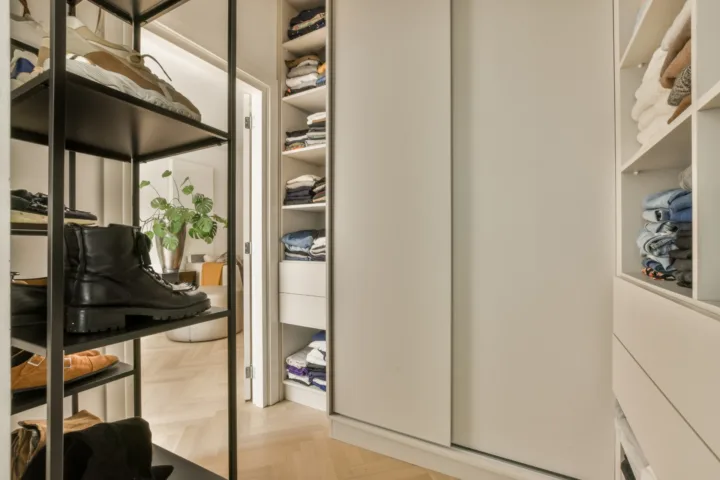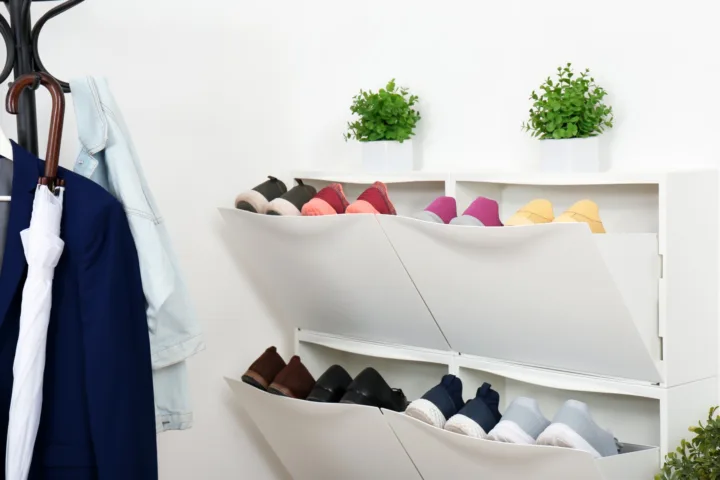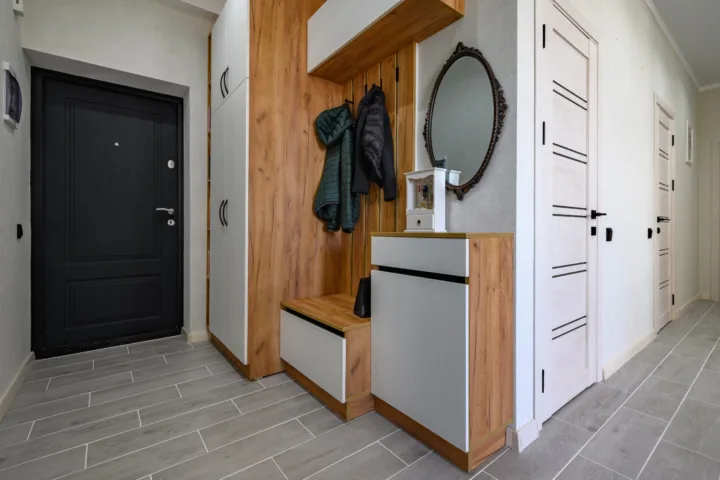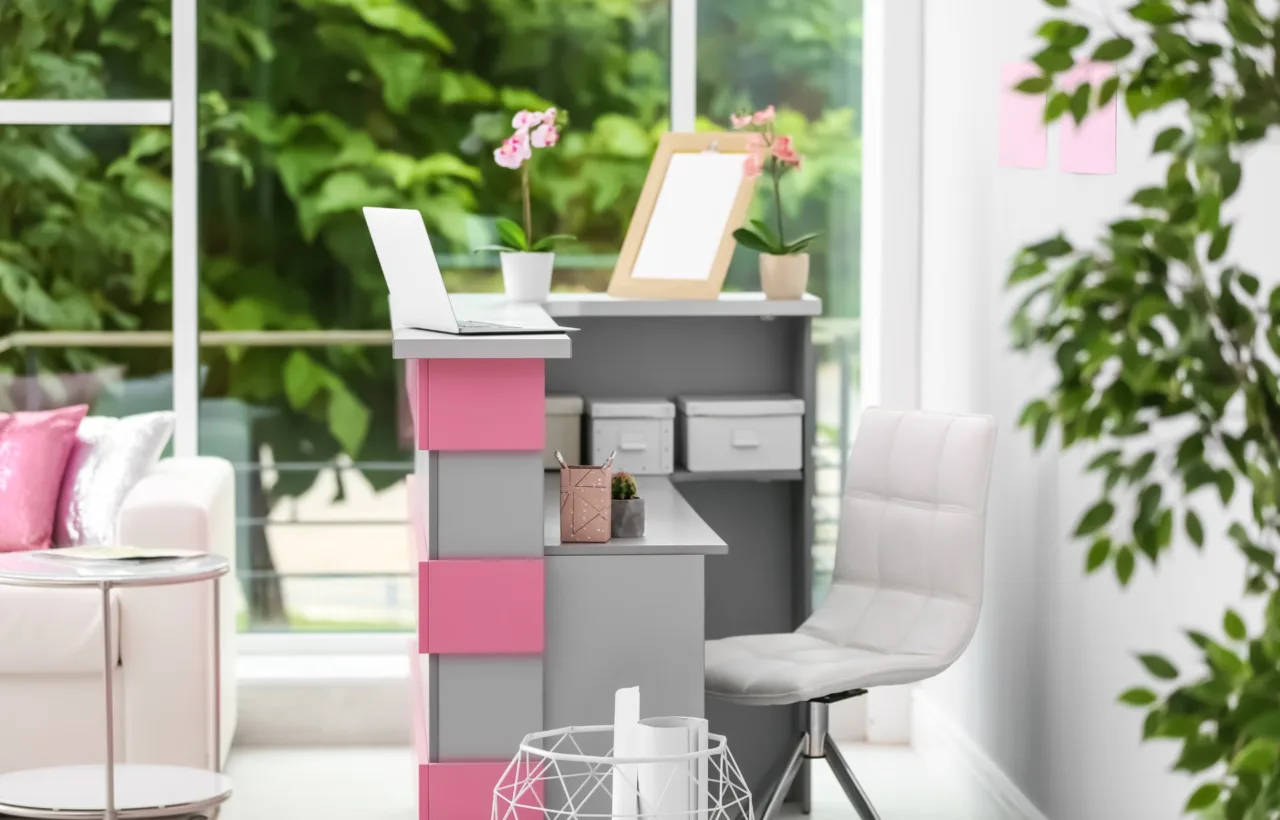

I spent months staring at a cramped closet that doubled as my dumping ground for chargers, half-used notebooks, and random cables. The primary keyword 19 home office closet organization ideas became my obsession after one too many Zoom calls where I had to dig through piles just to find a pen. I needed solutions that fit real life, not some glossy magazine spread. So I tested, failed a few times, and landed on practical fixes that finally made the space usable.
Honestly? I almost gave up and dragged my laptop back to the kitchen table. See, the closet felt too small for anything serious. But once I treated it like a puzzle instead of a problem, things clicked. These ideas come straight from my own trial and error. They focus on vertical space, smart containers, and zones that keep everything reachable without the mess creeping back.
Why a Closet Office Needs Its Own Rules
A regular desk has room to spread out. A closet does not. Every inch counts, and clutter multiplies fast. I learned that the hard way when my first attempt left me with stacked boxes that blocked the light.
The goal stays simple. Create spots for daily tools, stash less-used items higher up, and keep the work surface clear. FYI, matching containers help more than you think because your eye stops hunting for matches.
I started by emptying everything. Then I measured the height, width, and depth. That single step changed how I planned the rest.
Vertical Storage Wins Every Time
Closets waste space if you only use the middle. I pushed everything upward and downward.
Floating Shelves Above the Desk
I installed two floating shelves right above my monitor line. The lower one holds notebooks and a small tray of pens. The upper one stores extra paper and a couple of labeled bins. This setup frees the desk completely. Bold move: leave a gap between shelves so you can still reach without a stool every time.
Adjustable Track Shelving
Fixed shelves never fit my changing needs. Adjustable tracks let me shift heights when I added a printer or taller binders. I bolted a simple track system to the back wall. Now I can rearrange in under ten minutes. IMO, this beats custom built-ins for anyone who rents or likes to change their mind.
Side-Wall Cubbies
The side walls often sit empty. I added narrow cubbies there for vertical files and a few upright binders. They use the depth without eating into the main workspace.
Door Real Estate You Should Never Ignore
Most people forget the door. I used to, too. Then I covered both sides and never looked back.
Over-the-Door Pocket Organizer
A clear pocket organizer hangs on the inside. It holds sticky notes, scissors, extra chargers, and mail. Everything stays visible and off the desk. I check those pockets every Friday and clear out the junk. That habit alone keeps the system working.
Pegboard on the Door
I painted a small pegboard the same color as the door and mounted it on the inside. Hooks hold headphones, a notepad, and a small basket for clips. The pegboard moves with the door, so it never blocks the main area.
Magnetic Strips for Small Metal Tools
A thin magnetic strip near the top catches scissors, a letter opener, and paper clips. No digging required.
Clear Containers and Labels Keep Chaos Away
Opaque boxes hide mess, but they also hide what you need. Clear ones fixed that for me.
Stackable Clear Bins
I bought matching clear bins in two sizes. Smaller ones hold pens, sticky notes, and USB drives. Larger ones store paper reams and backup cables. Labels go on the front edge so I can read them without pulling the bin out. Label every single one. Skipping this step invites the old mess to return.
Drawer Dividers for the Bottom Zone
If your closet has a lower shelf or you add a slim drawer unit, dividers turn it into neat rows. I use them for notepads, envelopes, and extra ink cartridges. Everything stays upright and easy to grab.
Basket Zones for Soft Items
Woven baskets sit on the highest shelf for things I rarely need, like seasonal decor or old notebooks. They look better than plastic and still contain the chaos.
Zones That Match How You Actually Work
Random storage fails. Zones succeed.
Daily-Use Zone at Arm Reach
Pens, notebook, phone charger, and mouse live on the desk or the lowest shelf. I reach for them without standing up. This zone stays sparse on purpose.
Reference Zone One Shelf Up
Binders, manuals, and frequently used files go here. I pull them down only when needed, then put them right back.
Archive Zone at the Top
Old tax papers, extra supplies, and anything I touch once a year live on the highest shelf. A step stool stays nearby, but I rarely need it.
Tech Zone Near Outlets
I clustered the power strip, modem, and charging station in one corner. Cable clips keep cords from dangling. Wireless options help, but some wires stay unavoidable.
Lighting Makes the Whole Space Feel Bigger
Dark closets feel smaller. Light fixes that instantly.
LED Strip Lights Under Shelves
I stuck battery-powered LED strips under the floating shelves. They cast even light across the desk without glare on the screen. Motion sensors mean I never fumble for a switch.
A Small Desk Lamp With a Clamp
A clamp lamp attaches to the side of a shelf. It points exactly where I need it and folds away when not in use. Battery versions avoid extra cords.
Desk Surfaces That Fold or Slide
Floor space stays limited, so the desk has to work hard.
Fold-Down Desk Surface
A hinged board folds up against the back wall when I need the closet for storage. Heavy-duty brackets hold it steady while I work. This works especially well if the closet still shares duty as a coat space sometimes.
Slim Pull-Out Keyboard Tray
Under the main surface I added a shallow tray that slides out for the keyboard and mouse. It keeps the main desk free for notebooks or a second monitor.
Extra Tricks That Round Out the System
These smaller ideas push the total to nineteen and fill the gaps.
- Color-coded folders sit in a vertical file on the side wall. Blue for current projects, green for admin, red for urgent. My brain finds them faster than any label.
- A small corkboard panel on the back wall holds reminders and inspiration photos. Push pins stay put, and I change the board weekly.
- Cable management clips run along the back edge of the desk. They keep power cords and USB cables from sliding onto the floor.
- A narrow rolling cart parks just outside the closet door. It holds the printer and extra paper so the closet itself stays uncluttered.
- Under-shelf baskets hang from the floating shelves and catch loose papers or extra sticky pads.
- A single valet rod pulls out for hanging a jacket or bag during the workday. It retracts when not needed.
- Magnetic whiteboard strip near the door tracks daily to-dos. I wipe it clean at the end of each day.
- Stackable acrylic risers lift smaller bins so I can see the ones behind them.
- A slim step stool folds and tucks beside the lowest shelf. I use it only for the archive zone.
How I Keep the System From Falling Apart
Organization dies without habits. I spend ten minutes every Friday clearing the desk surface and checking the door pockets. Once a month I pull everything from the top shelves and reassess what still belongs.
See, the real win is not the perfect setup on day one. It is the setup that survives real weeks of work. I stopped chasing magazine perfection and started shipping a workable version. Messy beats stuck. Every time.
The first version of my closet office looked rough. Shelves sat uneven. Labels peeled. I adjusted. Now the space supports focused work instead of fighting me.
Frequently Asked Questions
What if my closet is really narrow? I worked with a shallow closet first. Side-wall shelves and door organizers became the main storage so the center stayed open for the desk.
Do I need to remove the closet doors? Not always. I kept mine and used both sides for storage. Removing them gives more elbow room if your space feels tight, but curtains can hide the mess just as well.
How much should I budget for these 19 home office closet organization ideas? I spent under $200 on the core pieces: shelves, bins, pegboard, and lights. Custom built-ins cost more, but the basic version works fine for most people.
Will this still work if I share the closet with coats or linens? Yes. I use the lower third for hanging items and the upper two-thirds for office zones. Clear bins keep the two uses separate.
How often should I reorganize? I do a quick weekly tidy and a deeper check every three months. That rhythm stops clutter from building up again.
These 19 home office closet organization ideas gave me a workspace I actually want to sit in. The closet no longer feels like a compromise. It feels like a deliberate choice. Start with the vertical shelves and clear bins. Add the rest as you go. Your future self will thank you when the next Zoom call starts and everything is already in place.