I used to dread opening my kids’ closet doors. Clothes spilled out like confetti after a birthday party that went sideways. Shoes formed mysterious piles that somehow multiplied overnight. I tried the usual advice and failed more times than I care to admit. Then I started testing 19 closet organization ideas kids room setups that finally stuck. These came from trial, error, and a whole lot of laundry days that nearly broke me.
Honestly? The turning point hit when I stopped treating the closet like an adult space and started building it for short arms and short attention spans.
See, the real goal is not a magazine-perfect closet. The goal is a system your kid can actually use without calling for help every morning. I learned that the hard way after one too many “Mom, where is my blue shirt?” meltdowns before school.
Here’s what worked in our house. I grouped the ideas so you can grab what fits your space and your sanity level.
Double the Hanging Space Without Buying a New Closet
Most kids’ clothes sit way too high. That single rod leaves a ton of dead space below. I fixed that first.
Install a second lower rod. I hung a simple doubler rod about 30 inches from the floor. My then-five-year-old could reach his own shirts and pants. Mornings got quieter almost overnight. The upper rod holds jackets and special-occasion clothes I handle. The lower one belongs to them.
Switch to slim non-slip hangers. Bulky plastic hangers waste space and let clothes slide off. I replaced everything with thin velvet ones. Suddenly the same rod held almost twice as many shirts. Bonus: fewer half-hung shirts on the floor.
Hang by category, not by color only. I group short sleeves together, then long sleeves, then pants. My kids find what they need faster. I still use some color sorting within each group because it looks tidy and helps them match outfits without my constant input.
Make Everything Reachable and Obvious
Kids will not climb or dig if the system fights them. Accessibility wins every time.
Lower the everyday shelves. I moved folded T-shirts and pajamas to shelves my kids can see and grab. Higher shelves hold the off-season stuff or extra blankets. This one change cut the “I can’t find anything” complaints in half.
Use open bins at kid height. Lidded boxes look neat but stay closed. Open bins invite kids to toss things back in. I keep one for socks, one for underwear, one for play clothes. Cleanup takes seconds instead of negotiations.
Add picture labels for the little ones. Before my kids could read well, I printed simple pictures of shirts, pants, and shoes and taped them on the bins. They knew exactly where things belonged. Once they could read, I switched to word labels. The habit stuck either way.
Steal Every Inch of Vertical and Door Space
Small closets demand creativity. I treated the door and the upper reaches like free real estate.
Hang an over-the-door organizer. Those clear pocket ones hold more than shoes. I use them for hats, belts, hair accessories, and even small toys. The door stays functional and the floor stays clear.
Install sturdy hooks at different heights. Low hooks catch backpacks and jackets. Higher ones hold robes or next-day outfits. I put one hook per kid so arguments over whose backpack belongs where disappear.
Create a top-shelf rotation zone. I store out-of-season clothes and extra bedding in matching bins on the highest shelf. Every few months I swap them. The kids never dig through winter coats in July because those coats live up high until needed.
Bring in Cubbies, Drawers, and Zones
Open space alone does not organize itself. Structure does the heavy lifting.
Add cube storage or cubbies. I slid a small cube unit into the bottom of the closet. Each cube gets one category: school shirts, weekend clothes, or soft toys. Kids drop items in the right cube without folding perfect stacks.
Park a small dresser inside the closet. Kids’ clothes are short, so the floor under the hanging rod often sits empty. I rolled a low dresser in there. Drawers hold underwear, socks, and pajamas. The rest of the room gains floor space and the closet gains function.
Build clear zones if kids share the closet. One side belongs to one child. The other side belongs to the sibling. I used different colored bins and separate hanging sections. Mixing stopped. Arguments dropped. Peace returned.
Make It Fun Enough That Kids Want to Keep It Tidy
A boring system gets ignored. A little personality keeps it going.
Pick a simple theme that matches their current obsession. One year we went with dinosaurs. Green bins and dino hangers made putting clothes away feel like a game. Next year it was space. The system stayed the same. Only the decorations changed.
Color-code the bins and hangers. Blue for one kid, green for the other. Or rainbow order for shirts. Color gives instant visual cues. Even on tired mornings the system still works.
Set up a next-day outfit station. I added a short valet rod or just a sturdy hook. Every night the kids hang tomorrow’s clothes there. School mornings move faster because the decision already happened the night before.
Handle the Sneaky Clutter Culprits
Shoes, laundry, and tiny accessories create most of the daily mess. I gave each its own home.
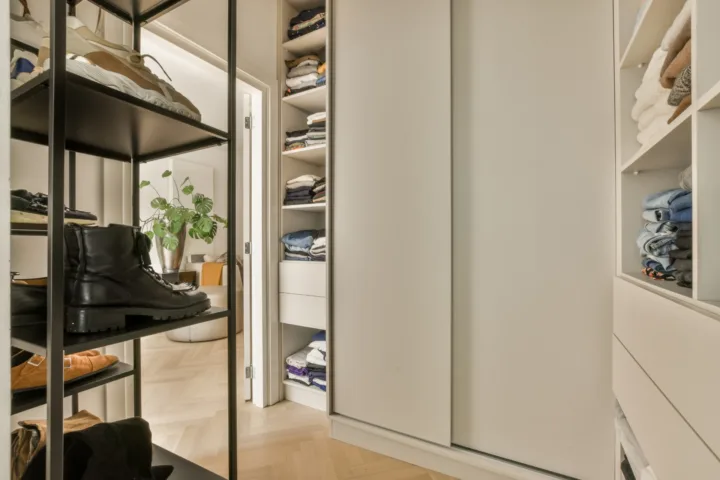
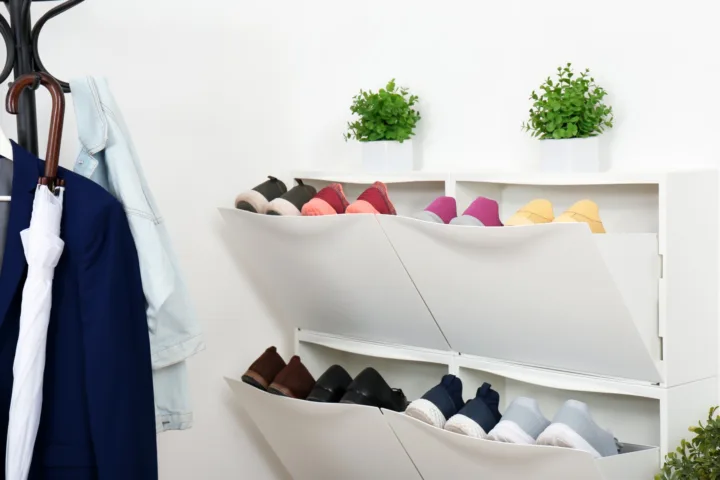
Give shoes a dedicated low shelf or rack. I stopped using the tall over-door shoe holders. Kids could not reach the top pockets. A simple low rack or clear bins on the floor worked better. Shoes go back where they belong because the spot is obvious and reachable.
Place a small hamper right inside the closet. Dirty clothes no longer land in a pile on the floor. The hamper sits where they change clothes. They drop items in without thinking. Laundry day becomes less of a scavenger hunt.
Keep accessories in shallow clear trays. Hair clips, watches, and small jewelry live in open trays on a low shelf. Everything stays visible. Nothing gets lost in the bottom of a deep drawer.
Extra Moves That Keep the System Alive Long-Term
These last few ideas protect the organization after the initial setup excitement fades.
File-fold instead of stack. I taught my kids the vertical fold method for drawers. They see every shirt at once. No more digging that ruins the whole stack. FYI, this one change alone saved me hours of re-folding.
Do a five-minute nightly reset. We spend five minutes before bed putting stray items back. No big lecture. Just a quick sweep. The closet stays usable day after day.
Adjust the heights as they grow. I chose adjustable rods and shelves on purpose. When the kids got taller, I raised the lower rod a few inches. The system grew with them instead of becoming obsolete.
Rotate toys and clothes seasonally. I keep only the current season’s items easy to reach. Everything else lives in labeled bins on the top shelf or under the bed. Less stuff in active use means less mess overall.
Involve the kids in the setup. I let them choose bin colors and place some of the labels. Ownership matters. They protect what they helped create.
These 19 closet organization ideas for kids room transformed our mornings from frantic to mostly calm. I still deal with the occasional sock rebellion, but the baseline chaos is gone. The closet works because it matches how kids actually move and think.
Frequently Asked Questions
How do I start organizing a kids closet when it feels completely overwhelming? I always start by pulling everything out and sorting into keep, donate, and outgrow piles. Once the volume drops, the systems become easy to set up.
What is the single most effective change for young kids who cannot reach high rods? Add a lower hanging rod or double rod system so everyday clothes sit at their height. Independence follows quickly after that.
Do these 19 closet organization ideas kids room setups work in shared bedrooms? Yes. I divide the space into clear zones with different colored bins and separate hanging sections for each child. Mixing and fighting drop dramatically.
How often should I reorganize as kids grow? I check the heights and categories every six months or at the start of a new school year. Small adjustments keep the system useful instead of letting it become outdated.
Are expensive custom systems necessary? Not at all. Most of my best results came from simple rods, bins, and hooks I bought at regular stores. Consistency matters more than price.
I still open that closet door some mornings and smile at how far we have come. The piles no longer win. The system does. Grab a few of these ideas this weekend and test them. Start with the lower rod and the open bins. Watch how quickly the daily frustration shrinks. Your future self (and your kids) will thank you when the next school morning rolls around without the usual scramble.