I used to open my walk-in closet door and feel an immediate wave of defeat. Clothes piled on the floor. Shoes scattered. Scarves vanishing into some mysterious void. My mornings ran late because I could never find what I needed. That changed when I finally built a system around 18 walk in closet organization ideas layout that matched how I actually live. Not some perfect magazine version. Just practical moves that fit my space and habits.
Honestly? I tried the pretty-but-useless approach first. It failed fast. What worked was treating the closet like a small room with zones, clear paths, and storage that pulls its weight every single day.
Start With the Layout That Fits Your Footprint
Layout comes first. Everything else builds on it. I measured my closet three times before I touched a single rod. That step saved me from buying the wrong shelves.
Idea 1: Go U-Shaped When You Have the Room
A U-shaped layout uses three walls. I put hanging space on two sides and shelves plus drawers on the back wall. The center stays open so I can step in and turn freely. This works best if your closet is at least seven by ten feet. I gained so much storage without feeling boxed in.
Idea 2: Choose L-Shaped for Smaller or Awkward Spaces
My first walk-in was L-shaped because one wall had a window. Hanging rods ran along the long wall. Drawers and shoe shelves filled the short one. The corner needed extra thought, but an angled shelf unit fixed the dead space. L-shapes keep the floor open and make the room feel less crowded.
Idea 3: Try a Galley Layout for Narrow Closets
Two parallel walls with a clear path between them. Perfect for long, skinny rooms. I kept one side for hanging clothes and the other for folded items and shoes. The key is leaving at least three feet of walkway. Anything less and you start bumping into hangers.
Idea 4: Add a Center Island Only If Space Allows
I waited years for this one. My current closet is big enough for a simple island with drawers underneath and a flat top for folding. It doubles as a place to set out the next day’s outfit. Skip the island if it forces you to squeeze past it every morning. Function beats luxury every time.
Maximize Every Inch of Vertical Space
Once the layout sat right, I looked up. Most closets waste the top third of the walls. I stopped doing that.
Idea 5: Install Double Hanging Rods
This single change nearly doubled my hanging capacity. Short items like shirts and pants go on the lower rod. Longer pieces stay on the upper one. I set the lower rod around forty inches from the floor and the upper one near eighty. Suddenly I had room for everything without stacking clothes on the floor.
Idea 6: Run Shelving All the Way to the Ceiling
Floor-to-ceiling shelves hold the items I use less often. Seasonal clothes live up high in labeled bins. I keep a small step stool nearby. The visual effect is clean. No more empty space mocking me from above.
Idea 7: Use Adjustable Shelves Everywhere Possible
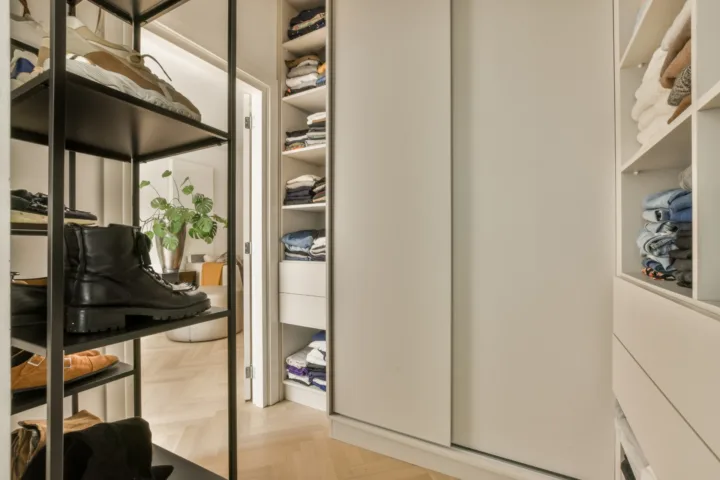
Fixed shelves frustrated me. My boot collection changed height needs every season. Adjustable shelves let me shift things in minutes. I prefer systems with simple clips so I never need tools again.
Zone Everything by How You Dress
I used to organize by color only. Pretty, but useless when I needed a work shirt fast. Zoning by use fixed that.
Idea 8: Create a Daily Wear Zone at Eye Level
The clothes I reach for most sit between my waist and eyes. Shirts, jeans, and everyday jackets live here. I can grab them without stretching or bending. Mornings got faster the week I made this change.
Idea 9: Give Long Items Their Own Dedicated Section
Dresses, coats, and formal pieces need more length. I reserved one full section of single-height rod just for them. No more long skirts dragging on the floor or getting crushed under shorter hangers.
Idea 10: Separate Folded Items From Hanging Ones
Sweaters, tees, and jeans fold better than they hang. I keep them on open shelves or in shallow drawers. Stacks stay under twelve inches tall so nothing topples. File-folding the tops means I see every piece at a glance.
Solve the Shoe and Accessory Problem
Shoes used to live in a heap by the door. Accessories disappeared into drawers and never came out.
Idea 11: Build a Dedicated Shoe Wall or Shelf System
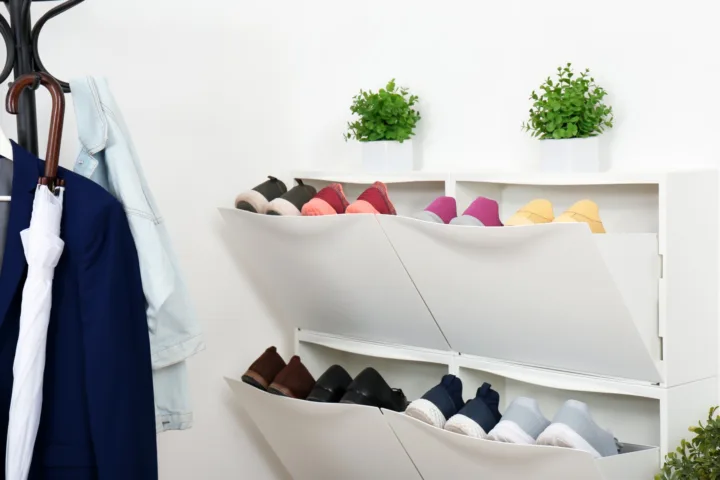
I installed slanted shelves along one lower section. Each pair sits at a slight angle so I see the toe and heel. Tall boots stand on the floor or in taller cubbies. No more searching under piles.
Idea 12: Mount Hooks and Rails for Bags, Belts, and Hats
Wall space above the rods or on the back of the door holds hooks. I hang everyday bags and belts there. They stay visible and off the shelves. FYI, matching the hook finish to the rest of the hardware makes the whole closet feel intentional.
Idea 13: Use Clear or Labeled Bins for Small Accessories
Scarves, jewelry, and socks go into shallow bins or drawer dividers. Clear ones let me see contents without opening everything. Labels help when I’m half-awake.
Add Smart Storage That Works Harder
Some pieces do double duty. Those are the ones I keep.
Idea 14: Include Slim Drawers for Underwear and Socks
Deep drawers waste space and turn into junk collectors. Slim drawers keep categories separate. I can pull one open and grab what I need in seconds.
Idea 15: Tuck a Hamper or Laundry Bin Out of Sight
A pull-out hamper under a shelf keeps dirty clothes contained. I empty it twice a week. The closet stays cleaner because laundry never piles on the floor.
Idea 16: Add a Full-Length Mirror on One Wall
I stuck a simple mirror opposite the main hanging section. It makes the space feel larger and lets me check outfits without leaving the closet. Bonus: it reflects light into darker corners.
Keep It Flexible and Easy to Maintain
Systems fail when they demand too much effort. I built mine to bend with my life.
Idea 17: Stick to Matching Hangers
I switched everything to the same slim velvet hangers. Clothes hang at the same level. The rod looks calm. Hangers no longer tangle. This one step made the closet look twice as organized overnight.
Idea 18: Leave Breathing Room and Rotate Seasonally
I never fill every shelf to the brim. Empty space lets me put things back easily. Twice a year I move out-of-season pieces to higher shelves or bins. The main zones stay focused on what I wear right now.
Putting the System Together Without Overwhelm
I did not overhaul everything in one weekend. That approach burned me out before. Instead I tackled one wall at a time. First the hanging rods. Then the shelves. Then the shoes. Each finished section gave me a small win that kept me going.
Measure before you buy. Draw a rough sketch of your layout. Note where the door swings and where the light falls. Those details matter more than any pretty product photo.
I also learned to edit hard. If I had not worn something in a year and it held no real meaning, it left the closet. That single rule created space for the pieces I actually reach for.
Budget stayed reasonable. Double rods, matching hangers, a few adjustable shelves, and basic bins covered most of the transformation. Custom cabinets can wait until the basic system proves itself.
Frequently Asked Questions
What is the best layout for a small walk-in closet? I lean toward an L-shape or single strong wall with double rods and vertical shelves. It keeps the floor clear and prevents the space from feeling cramped.
How do I organize a walk-in closet shared with a partner? Zone by category instead of by person. All shirts together. All pants together. Then sort within each zone by color or frequency. It cuts down on the “your side versus my side” arguments.
Do I need a custom closet system for these 18 walk in closet organization ideas layout to work? No. I started with basic rods, shelves, and bins from a big-box store. Custom systems look nicer but the principles stay the same either way.
How often should I reorganize the zones? I do a light reset every season when I rotate clothes. A deeper edit happens once a year. Daily maintenance is just putting things back in their spots.
What if my closet has weird corners or low ceilings? Corners get angled shelves or a small rotating unit. Low ceilings mean I skip the highest shelves and focus on double hanging and floor-level shoe storage instead.
I still open that closet door every morning. Now the feeling is different. Calm. Clear. Ready. The system works because it matches real life, not some perfect fantasy. Pick the layout that fits your space. Build the zones that match how you dress. Keep only what you use. The rest falls into place.
Your turn. Start with one wall this weekend. Measure it. Clear it. Put the pieces back with purpose. You might be surprised how quickly the chaos quiets down.