I spent years fighting a long, narrow closet that felt more like a hallway of frustration than storage. Clothes piled up. Shoes vanished into the dark ends. Every morning started with a hunt. Then I tested real 18 long closet organization ideas that actually stuck, and the difference hit hard. My closet went from chaotic tunnel to something I open without dread. You get the same path here, step by step, no fluff.
I started from pure defeat. The space stretched deep but stayed skinny, so standard advice failed. I needed ideas built for length and limited width. What follows comes from my own trial runs, failures included. I kept what worked and tossed the rest.
Why Long Closets Demand Different Thinking
See, most closet tips assume a square box. Mine ran long and tight. Floor space disappeared the moment I stepped in. Vertical room became the only real estate that mattered. I learned to treat the length as a series of zones instead of one big mess.
I cleared everything out first. That single act showed me how much I owned that I never wore. Honest purge time. After that, every idea below built on clear space and smart height use.
18 Long Closet Organization Ideas I Actually Use
I grouped these by what fixed the biggest pain points for me. Each one earned its spot through daily use.
1. Double Up the Hanging Rods
I installed a second rod below the original. Short items went on top. Longer pieces stayed on the lower one or moved to a dedicated long section. This one change doubled hanging capacity without eating floor room. Slim velvet hangers helped the clothes sit tighter.
Honestly? The old single rod wasted half the height. Now shirts and pants live stacked and easy to grab.
2. Claim Every Inch of Vertical Shelf Space
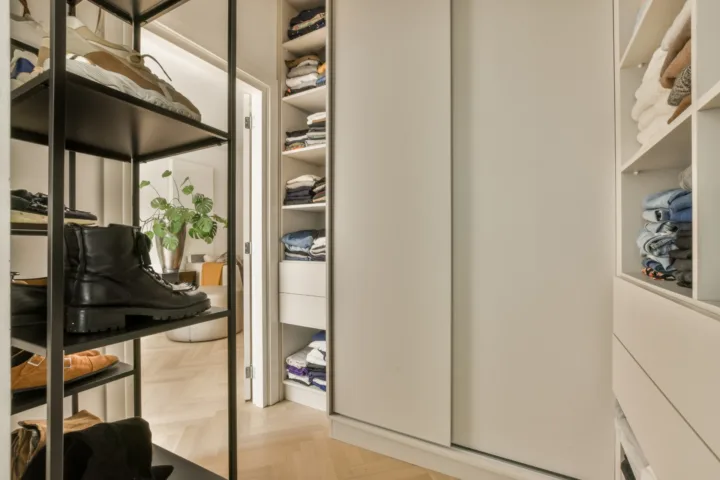
I added adjustable shelves all the way to the ceiling. Everyday folded clothes sat at eye level. Seasonal bins went up high. I reach them with a simple step stool I keep nearby. Floor-to-ceiling use turned dead air into storage.
3. Switch to Open Cubbies on One Wall
Solid doors made the long space feel smaller. I replaced some hanging areas with open cubbies. Folded jeans, sweaters, and bags stayed visible. The open design kept the depth feeling usable instead of boxed in.
4. Add Drawers Where Hanging Feels Wasteful
Drawers hold more than hanging rods in a narrow footprint. I measured and fitted a set of shallow drawers along one side. Socks, underwear, and tees live there now. Storage volume jumped without crowding the walkway.
5. Go All-In on Slimline Hangers
Thick plastic hangers stole precious rod space. I swapped every one for slim velvet versions. More clothes fit. They stay put instead of sliding into a tangled mess. Matching hangers also made the whole rod look intentional.
6. Turn the Door into Extra Real Estate
The back of the door sat empty for years. I hung an over-the-door organizer with pockets and hooks. Belts, scarves, and small bags moved there. Instant access without touching the main rods or shelves.
7. Create Clear Zones Along the Length
I divided the long run into stations. One section for work clothes. Another for casual. A third for shoes and accessories. Labels on bins made the zones stick. I stop hunting because everything has a fixed home.
8. Use Shelf Dividers Like Borders
Stacks of folded clothes always toppled. Clear acrylic dividers fixed that. I placed them every foot or so. Each pile stays upright and easy to pull. The long shelves finally look controlled.
9. Stack Labeled Bins for the High and Low Spots
Top and bottom shelves held the least-used items. Clear or fabric bins with big labels went in. Seasonal coats and extra linens live there. I know exactly what sits in each without dumping everything out.
10. Install Vertical Shoe Storage
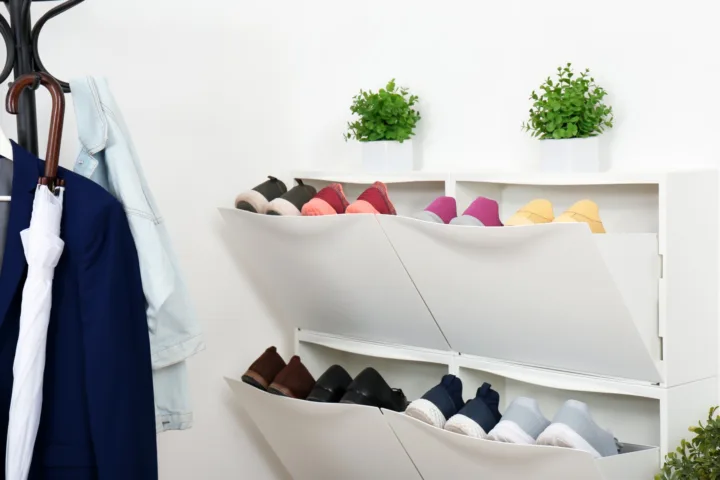
Shoes ate the floor fast. A tall, narrow shoe rack or hanging shoe organizer claimed the end wall. Pairs stand upright or slip into pockets. Floor space stayed clear for walking.
11. Add Hooks for Everyday Grab Items
I screwed sturdy hooks into the side walls and the end. Bags, hats, and robes hang ready. No more tossing them on the floor or burying them under other clothes.
12. Try a Pull-Out Rack for Accessories
Ties, belts, and jewelry needed their own spot. A slim pull-out rack slid into a narrow gap. Everything stays visible and tangle-free. I pull it out, pick what I need, and slide it back.
13. Keep One Long-Hang Section Only
Most of my clothes hang short. I reserved a short stretch of full-height rod for dresses and coats. The rest of the length uses double rods. Nothing drags or wrinkles from forced folding.
14. Bring in Modular Cube Units
Freestanding cube shelves fit the narrow depth perfectly. I stacked them for folded items and small bins. They move if I rearrange later. No permanent holes required at first.
15. Light the Whole Length Properly
Dark ends hid clothes. I added battery-powered LED strips along the top shelf. Suddenly the back of the closet felt usable. I stop missing items that lived in shadow.
16. Rotate Seasons Without the Chaos
I keep two large labeled bins on the highest shelf. One holds current season extras. The other holds the opposite season. Swap twice a year. The main hanging area stays focused on what I wear right now.
17. Match Hangers and Color-Code Softly
Matching hangers already helped. I took it one step further and grouped clothes by color within each zone. Finding a black shirt or blue jeans takes seconds. The visual calm makes me more likely to put things back.
18. Leave Breathing Room on Purpose
I used to pack every inch. The closet looked full and felt impossible. Now I leave about 20 percent empty. New items have a spot. Air circulates. The whole system stays flexible instead of rigid.
How I Keep the System from Falling Apart
I check the closet every few weeks. Anything I have not worn in a full season leaves. One in, one out stays the rule. Labels get refreshed when categories shift. The long shape works only when I respect the zones I set.
FYI, the first month felt like work. After that the habits stuck. I open the door and grab what I need without the old scramble.
Common Pitfalls I Hit and Fixed
I tried crowding both walls at first. The walkway vanished. Single-sided or carefully balanced storage fixed the squeeze. Deep shelves hid things in the back. I switched to shallower depths so everything stayed reachable.
Passive organizers collected dust. Active daily use of the new layout made the difference. I treat the closet like a tool, not a storage dump.
Frequently Asked Questions
What makes long closet organization different from regular closets? The length creates zones and dead ends that square closets avoid. I focus on vertical stacking and clear pathways so the narrow width never traps me.
How many of these 18 long closet organization ideas do I need to try first? Start with double rods, slim hangers, and door storage. Those three gave me the biggest immediate win. Add the rest as the space settles.
Can I do this without buying a full custom system? Yes. Most of my changes used basic rods, shelves, bins, and hangers from big-box stores. Custom pieces came later once I knew what worked.
How often should I reorganize a long narrow closet? I do a full reset twice a year with the seasonal swap. Quick weekly tidy-ups keep the zones honest between those bigger sessions.
Will these ideas work in a walk-in that feels more like a hallway? They work even better there. Galley-style setups use both walls carefully while protecting the center path. The same vertical and zone rules apply.
I still catch myself smiling when I open that closet door. The old frustration is gone. The space finally serves me instead of the other way around. Pick two or three ideas from this list and start this weekend. Your future mornings will thank you.