I spent years staring at a teen closet that looked like a laundry explosion every single morning. Clothes on the floor. Shoes kicked into a pile. Backpacks buried under hoodies. Then I tested a bunch of practical systems and landed on these 18 teen closet organization ideas that actually lasted longer than a weekend. My kid still keeps most of them going without constant reminders. That felt like a small miracle.
Honestly? The breakthrough came when I stopped treating the closet like a storage unit and started treating it like a daily tool. Teens live differently than adults. They grab and go. They dump and leave. Any system that fights that habit dies fast. So I built around it instead.
Start With a Ruthless Declutter Before Anything Else
I used to skip this step. Big mistake. You cannot organize clutter. You just move it around.
I pulled every single item out with my teen. We made three piles: keep, donate, trash. No “maybe” pile. That one always turns into a keep pile later. We worked through clothes first, then shoes, then the random junk that somehow lives in every teen closet. Old chargers. Forgotten snack wrappers. Broken earbuds.
See, the goal is not perfection. The goal is space. Once the closet was empty, we could see what we actually needed to store. My teen discovered half the wardrobe no longer fit or felt right. That alone freed up a shocking amount of room.
Key takeaway: Declutter first or the rest of these ideas will fail.
18 Teen Closet Organization Ideas That Work for Real Life
I grouped these by what solved the biggest headaches in my house. Some cost almost nothing. Others need a quick Amazon order. All of them respect how teens actually move through their day.
Shoe Storage That Survives Daily Chaos
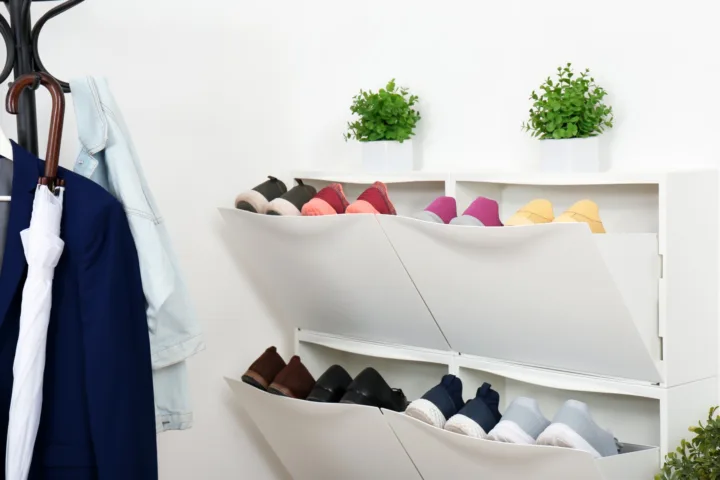
1. Over-the-door shoe organizer I hung a clear plastic one on the inside of the closet door. Each pocket holds one pair. My teen can see every shoe without digging. Floor space opened up immediately. This one stays full and tidy because it is impossible to ignore.
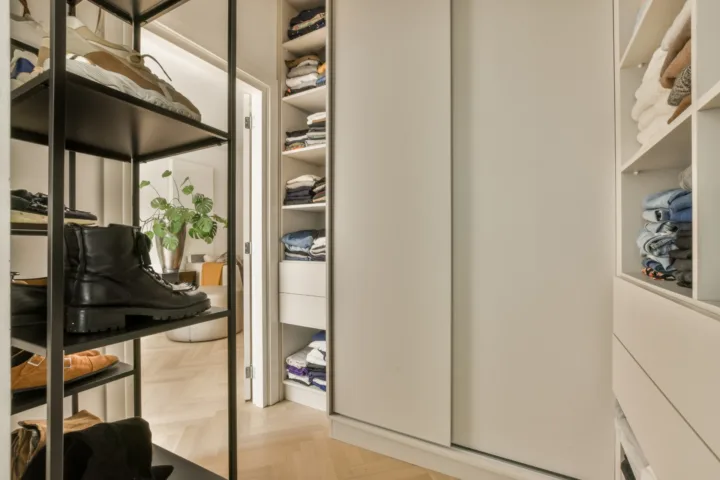
2. Simple shoe shelves or a short rack For the pairs that get worn most, I added a low shelf right on the closet floor. Everyday sneakers live there. Seasonal boots go higher up. Visibility matters more than fancy solutions here.
3. A big open basket for “floordrobe” shoes Some days the formal system fails. I placed one large basket near the door as a catch-all. Shoes land there instead of under the bed. We empty it once a week. Imperfect but realistic.
Hanging Space That Doubles Capacity
4. Slim velvet hangers only I replaced every mismatched plastic hanger with matching slim ones. Clothes stopped sliding off. The rod held almost twice as many items. The closet suddenly looked intentional instead of chaotic. Matching hangers also make it harder for my teen to claim “nothing fits” when everything hangs the same way.
5. Second closet rod for double hanging I installed a lower rod under the existing one. Tops hang on top. Pants and skirts hang below. Longer coats stay on one side where the single rod remains. This single change gave us the biggest capacity boost.
6. S-hooks for jeans and belts I bought a pack of basic metal S-hooks. My teen hangs jeans by the belt loops. No folding. No stack that topples. Belts hang the same way. This eliminated the “I have no clean jeans” crisis on school mornings.
7. Space-saving cascading hangers for shirts A few cascading hangers let multiple shirts hang in the depth of one. Useful for the overflow of graphic tees that never seem to decrease.
Zones and Categories That Make Sense to a Teen
8. Color-coded sections I sorted hanging clothes by color from light to dark. My teen can find a black hoodie in seconds. It also makes the closet look less like a thrift store explosion. Color order sticks better than category order for some kids.
9. Outfit-planning hanging organizer I hung a multi-pocket fabric organizer and labeled the pockets by day. Sunday night we load the next five school outfits. Socks and underwear go in the same pocket. Morning stress dropped hard.
10. Clear bins with labels for folded items Sweaters, leggings, and athletic wear live in clear bins on the shelves. I wrote simple labels with a marker: “Gym,” “Lounge,” “Cold Weather.” My teen can see inside without opening every bin. Opaque bins hide mess. Clear ones discourage it.
11. Drawer dividers for the small stuff Underwear, socks, and bras used to live in one tangled drawer. I added cheap plastic dividers. Each category got its own section. The drawer closes now. That felt like progress.
Door and Wall Space Most People Ignore
12. Over-the-door hooks for backpacks and hoodies The second my teen walks in the room, the backpack and hoodie hit the floor. I installed a multi-hook over-the-door rack. Now those items have a designated landing spot. The floor stays clearer.
13. Pegboard for accessories I mounted a small pegboard on the side wall of the closet. Hooks hold hats, scarves, jewelry, and the random belts that never stay in a drawer. My teen rearranges the hooks when the collection changes. It feels personal instead of assigned.
14. Command hooks for bags and jackets A few strong adhesive hooks inside the door catch the purses and light jackets that used to get buried. No tools required. Easy to move later.
Systems That Prevent Future Piles
15. Laundry basket right inside the closet I placed a small laundry basket in the back corner. Dirty clothes go straight in instead of forming a chair mountain. When the basket fills, it heads to the laundry room. Simple location change. Big habit shift.
16. Seasonal rotation bin on the top shelf Off-season clothes live in one labeled bin up high. We swap twice a year. The everyday closet stays leaner and easier to maintain. My teen actually remembers the swap because the bin is visible.
17. One “maybe later” box with a time limit I keep a single box for items my teen is unsure about. Every three months we open it together. Anything still untouched leaves the house. This prevents the slow re-clutter that kills most systems.
18. Matching storage for the “extra” stuff Sports gear, chargers, and school supplies used to migrate into the closet. I gave each category its own bin with a clear label. The closet stopped becoming a junk drawer for the whole room.
Why These Ideas Stick When Others Fail
I tried the pretty Pinterest versions first. They looked great for photos. They collapsed under real teen use within two weeks. The difference with these 18 teen closet organization ideas is maintenance. Every single one requires almost zero extra effort once set up.
See, teens will use a system that matches their speed. If putting something away takes more than five seconds, it ends up on the floor. Hooks beat drawers for grab-and-go items. Clear bins beat decorative baskets that hide everything. Matching hangers beat the random collection that creates visual noise.
I also learned to involve my teen in the setup. When they choose the bin colors or write the labels, ownership goes up. Forced systems get ignored. Shared ones get used.
Small Tweaks That Make a Big Difference Over Time
I check the closet once a month for five minutes. Anything that has migrated out of its zone gets returned. Labels that faded get rewritten. The double rod sometimes needs tightening. These tiny upkeep sessions keep the whole system from sliding back into chaos.
One more thing I noticed: lighting helps. A cheap battery-powered light strip under the top shelf makes everything easier to see. My teen stops digging and dumping when the contents are obvious.
Frequently Asked Questions
How do I get my teen to actually use these 18 teen closet organization ideas? I let them pick the first three systems we installed. Ownership beats nagging every time. Start small and celebrate the wins instead of policing every item.
What if the closet is really small? Focus on the door and vertical space first. Over-the-door organizers and a second rod give the biggest return in tight spaces. Clear bins on the top shelf keep seasonal stuff out of the way.
Do I need to buy expensive organizers? No. Most of what I used came from the dollar store or basic Amazon finds. Matching hangers and clear bins matter more than fancy systems. Spend where it reduces friction.
How often should we declutter? I do a full pull-out once at the start of each school year and a lighter check every three months. Growth spurts and style changes happen fast at this age.
What about shared closets between siblings? Color-code everything by person. Separate zones with different hanger colors or bin labels. Shared space only works when each person has clear territory.
I still walk past that closet some mornings and feel a quiet sense of victory. The floor stays mostly clear. Mornings run smoother. My teen finds clothes without the dramatic search. These systems are not perfect. They are simply good enough to survive real life with a teenager. Start with the declutter. Pick three ideas that solve your biggest pain points. Build from there. The rest will follow once the space feels usable again.