I used to dig through piles of clothes every morning and end up late. My wardrobe closet felt like a black hole. Socks vanished. Shoes stacked in towers that toppled. Shirts hung at weird angles. Then I tried these 15 wardrobe closet organization ideas. Everything shifted. Mornings got quieter. I found what I needed fast. Honestly? I wish I started sooner.
See, I spent years buying more hangers and bins without fixing the real problem. The mess kept winning. One weekend I cleared everything out and rebuilt the system from scratch. These ideas came from that messy process. They work in a regular reach-in closet like mine. No fancy walk-in required.
Start by Pulling Everything Out
I always begin the same way. Empty the entire closet. Every shirt. Every pair of jeans. Every shoe. Lay it all on the bed or floor. This step feels brutal at first. You face the volume of stuff you own.
I sort into three piles right away: keep, donate, toss. Anything I have not worn in a year goes. Stained items leave too. The keep pile gets a second look. Does it fit? Do I like wearing it? If the answer is no, it leaves. This single act frees more space than any organizer ever could.
After the purge I wipe the shelves and rods. Dust hides in corners. A clean start makes the rest easier. I once skipped this and regretted it. Dirt stuck to clean clothes. Never again.
Switch to Matching Hangers for Instant Calm
Matching hangers change the whole look. I used to mix plastic, wood, and wire. The closet looked chaotic even when full. Now every hanger matches. I chose slim velvet ones in one color. They grip clothes better and take less space.
Uniform hangers create visual order. Your eye stops jumping around. Clothes hang at the same height. I can slide them without catching. FYI, the slim style let me fit about thirty percent more shirts on the same rod. That alone felt like magic.
I hang everything the same direction too. Hooks face the back wall. It looks intentional. Small detail. Big difference in how the space feels when I open the door.
Organize Clothes by Category First
I group by type before color. All tops together. Pants in one section. Dresses and skirts in another. Jackets get their own zone. This beats random hanging every time.
Within each category I add a second layer. Work shirts stay separate from weekend tees. Long sleeves hang near short sleeves. The system matches how I actually get dressed. I reach for work clothes on weekdays without hunting.
This approach stopped the morning scramble. I used to pull five shirts just to find one. Now the section shows me options fast. Category first builds the foundation. Color comes next.
Arrange by Color Within Each Group
Color order turns the closet into a rainbow. I start dark and move light. Black to gray to navy to blue to green and so on. Whites and pastels land at the end.
Finding a specific blue shirt takes seconds. The whole row looks intentional. I notice duplicates faster too. Three nearly identical black tees stood out once I lined them up. Two left the house that day.
Some people skip color. I tried that. The closet stayed functional but never felt finished. Color coding adds the calm I want every time I open the door.
Add a Second Hanging Rod for Double Space
Most closets come with one high rod. I installed a second lower one. Short tops and pants hang there. Long dresses and coats stay on the top rod. The lower rod sits about forty inches from the floor.
This simple change doubled my hanging capacity. No renovation needed. I used an adjustable tension rod first to test the height. Once it worked I switched to a permanent one. The space under the top rod stopped going to waste.
Tall people adjust the heights differently. My setup fits me. Measure your longest items before drilling. The goal is clear access without clothes dragging the floor.
Use Vertical Space with Hanging Shelves
Empty air above and below rods wastes room. I added fabric hanging shelves that hook over the rod. They create cubbies for folded sweaters, jeans, and handbags.
These shelves cost little and install in minutes. I load the top cubbies with items I grab less often. Everyday pieces sit lower. The system keeps stacks from toppling. Sweaters stay folded instead of stretched on hangers.
One hanging unit holds six stacks easily. I placed two side by side. Suddenly the closet felt twice as deep. Vertical storage solves problems horizontal space never can.
Give Shoes Their Own Clear System
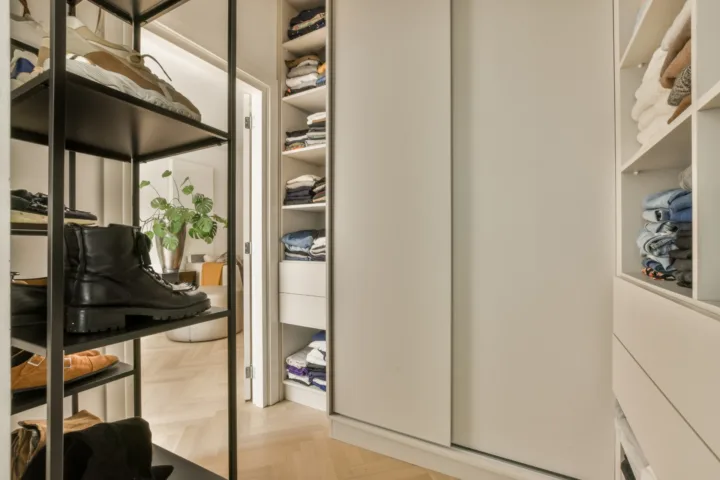
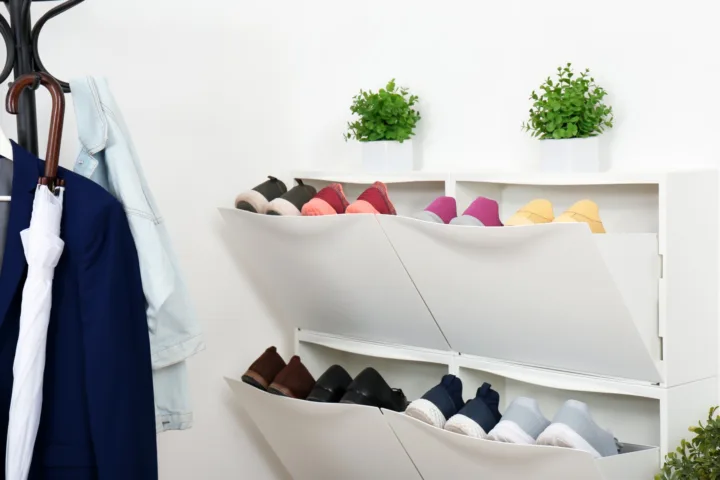
Shoes used to live in a pile by the door. Now they have dedicated spots. I use clear drop-front boxes for favorites. Stackable racks hold the rest. Boots stand in a low tray on the floor.
Clear boxes let me see the pair without opening everything. I label the front of each with a small sticker for the color or style. No more digging. The boxes protect against dust too.
Racks work for everyday sneakers and flats. I keep seasonal shoes higher up or under the bed in labeled bins. The closet floor stays open. I can walk in and grab what I need without kicking a pile.
Install Over-the-Door Organizers
The back of the door offers free real estate. I hung a multi-pocket organizer there. Scarves, belts, and small bags fill the pockets. Another thin shoe organizer holds flats and sandals on the opposite side.
These organizers keep accessories visible and off the floor. I reach for a belt without opening a drawer. The door closes normally. Nothing sticks out.
I tried hooks alone first. Items fell off. The pocket style holds better. Choose one that fits your door thickness. Measure before buying.
Corral Small Items in Labeled Bins
Loose socks, underwear, and accessories create chaos fast. I use fabric bins and clear drawers on shelves. Each bin gets a label. Socks. Undergarments. Workout gear. Seasonal scarves.
Labels stop the guessing. I pull the right bin without dumping others. Clear ones work for items I want to see. Opaque fabric bins hide less pretty stacks.
Drawer dividers inside the bins keep categories separate. Socks stay sorted by type. No more black hole of mismatched pairs. This system takes ten minutes to set up and saves hours later.
Create Zones for Accessories
Belts, ties, and jewelry need homes. I mounted a simple hook rail on one side wall for belts. A hanging accessory organizer holds ties and scarves. Jewelry sits in a shallow tray on a shelf.
Zones prevent the scramble. Everything has a spot. I see options when planning an outfit. The hooks keep belts from tangling. The tray stops earrings from vanishing.
I once tossed accessories in a drawer. They knotted into one mess. Zones fixed that. Keep the rail at eye level for easy reach.
Rotate Seasonal Clothes Twice a Year
I keep only current season items in the main closet. Winter coats and heavy sweaters move to under-bed bins or a high shelf when spring arrives. Summer dresses leave for fall.
This rotation keeps the active space light. I avoid overcrowding. The bins get clear labels with the season and contents. Switching takes one afternoon twice a year.
Off-season storage protects clothes too. Less dust. Less wrinkles. I pull the next season out when the weather shifts and the closet feels fresh again.
Use Shelf Dividers to Stop Avalanches
Stacked clothes lean and fall. Acrylic or wood dividers fix that. I slide them between stacks of jeans and sweaters. Each category stays upright.
Dividers cost little and work on any shelf. I space them about twelve inches apart. The stacks stay neat even when I pull from the middle. No more rebuilding the pile every week.
Wire shelves benefit most. Soft fabric bins sit between dividers without sliding. This small tool keeps the visual order I worked hard to create.
Add Lighting for Better Visibility
Dark closets hide clothes. I stuck battery-powered LED strips under the top shelf. Motion sensors turn them on when the door opens. Suddenly every color shows clearly.
Good light stops the guessing. I pick the right navy instead of black by mistake. The strips install with adhesive. No wiring needed. Rechargeable ones last weeks between charges.
I tried a single bulb first. Shadows remained. Full strips changed the experience. Visibility makes the organization usable every day.
Keep a Donation Bag Handy
Clutter returns if you ignore it. I keep a small bag or bin in the closet for items ready to leave. When something no longer fits or I stop wearing it, it goes straight into the bag.
Once a month I empty the bag at a donation center. The habit prevents buildup. The closet stays at a steady size. No big purge needed later.
This step feels ongoing rather than one-time. I notice what sits unused. The bag makes removal easy. Consistency beats perfection here.
Maintain with a Weekly Reset
Organization fades without upkeep. Every Sunday I spend ten minutes. Hang anything left on chairs. Refold stacks. Return shoes to their spots. Empty the donation bag if full.
The reset keeps the system alive. It never becomes a full weekend project again. Small consistent effort wins. I treat it like brushing teeth. Non-negotiable.
Some weeks I skip it. The mess creeps back fast. The habit protects the work I already did. Ten minutes buys calm for the whole week.
Frequently Asked Questions
What are the best 15 wardrobe closet organization ideas for a small space? I focus on vertical solutions first: second rods, hanging shelves, and over-the-door organizers. These stretch limited square footage without major changes.
How often should I reorganize my wardrobe closet? I do a full reset twice a year with the seasons and a quick weekly tidy. That rhythm keeps everything functional without constant overhaul.
Do matching hangers really make a difference? Yes. They create visual calm and free up rod space. I noticed the difference the first morning I opened the door after switching.
Where should I store out-of-season clothes? I use labeled under-bed bins or high closet shelves. The main hanging space stays for current weather only.
Can these ideas work without buying new products? Many do. Decluttering, category sorting, and color order cost nothing. Start there before adding any organizers.
I still open my closet and feel a small wave of relief. The chaos that once greeted me is gone. These 15 wardrobe closet organization ideas turned a daily frustration into something almost pleasant. Pick one or two this weekend. Start with the purge if the pile feels overwhelming. Build from there. Your mornings will thank you. And if a shirt still goes missing now and then, well, that is just life. At least now you know exactly where to look.