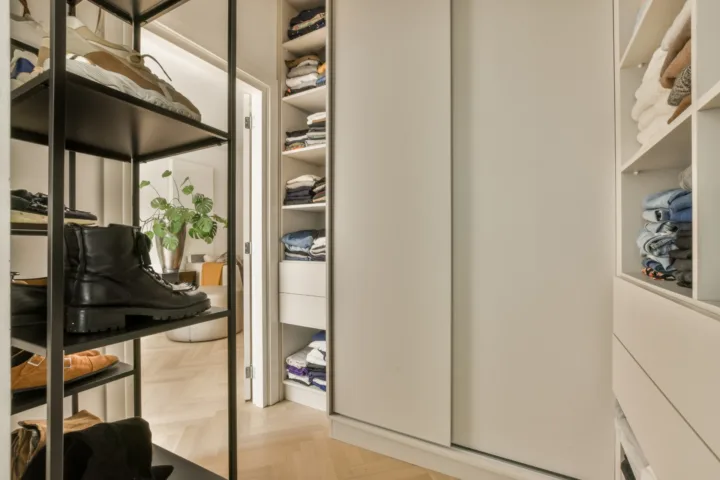
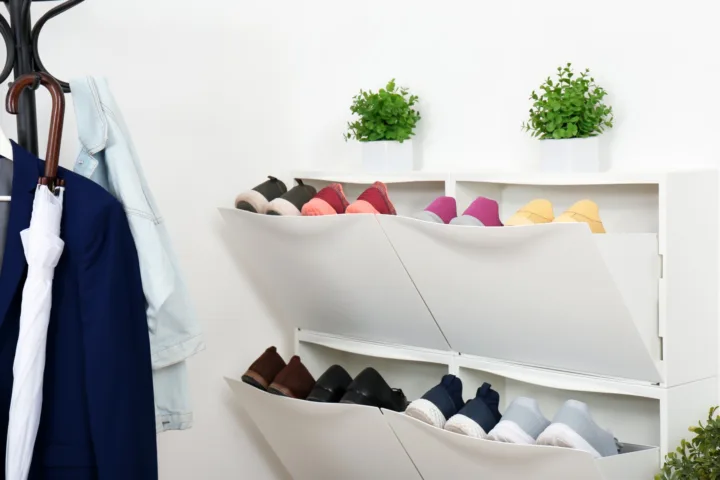
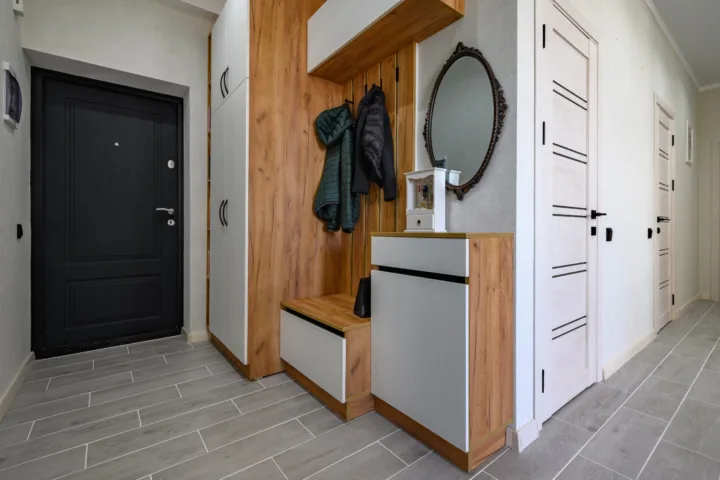
I spent years staring at my under-stair closet like it was some kind of personal enemy. The ceiling dropped at a sharp angle. One side was barely 16 inches deep. The other stretched wider but still refused to play nice with any standard rod or shelf. Clothes piled up. Shoes vanished into the dark corners. I felt defeated every time I opened that door.
Honestly? That closet nearly broke me.
Then I stopped forcing square solutions onto an odd-shaped problem. I started testing real approaches that worked with the weird angles instead of against them. What follows are the 15 odd shaped closet organization ideas that finally turned my impossible spaces into functional ones. These come from my own trial and error, plus what I learned watching other people fix the same headaches.
You do not need a full custom remodel. You just need to measure twice, think in zones, and pick the right tools for the weird spots.
Why Odd-Shaped Closets Feel Impossible at First
Most closet systems assume straight walls and even heights. Real homes rarely deliver that. Sloped ceilings under roofs. Narrow passages that feel more like hallways. L-shaped caves. Alcoves that sit too deep or too shallow. High ceilings that waste vertical space. Outlets and access panels stuck right where a rod wants to go.
I used to buy the same basic hanging rod and shelf combo everyone else did. It never fit. The result was wasted space and daily frustration.
See, the fix starts with one simple shift. Stop trying to make the closet look normal. Make the storage follow the shape instead.
1. Layered Shelving That Follows the Slope
My attic closet had a dramatic slant. Standard shelves left a big triangle of dead air. I measured the height at several points along the wall and cut shelves that stepped down with the ceiling.
Larger, deeper shelves sit at the bottom for boots and bags. Narrower ones climb higher for hats and scarves. The result feels intentional instead of awkward.
I keep lighter items up high. Heavier ones stay low so nothing topples when I reach.
2. Double Rods That Ignore the Narrow Width
Narrow walk-in closets often force you to choose between hanging space and breathing room. I installed two rods stacked vertically on the longer wall. One sits at standard height for shirts. The lower one holds pants and skirts.
This doubles capacity without eating the walkway. FYI, I used adjustable brackets so I could shift the lower rod as seasons changed.
The key is keeping the rods shallow enough that doors still close easily.
3. Hook Boards for Shallow Walls
Some walls in odd closets measure only a few inches deep. Full shelves fail there. I mounted simple boards with multiple hooks instead.
Belts, ties, robes, and tote bags hang flat against the wall. The whole setup sticks out less than two inches. It turns a useless strip into daily storage.
I painted the board the same color as the wall so it almost disappears.
4. Pull-Down Rods for High Ceilings
Tall closets waste the upper third. Reaching those shelves feels like a workout. I added a pull-down rod system that lowers the hanging space when I need it and tucks it back up when I do not.
Out-of-season coats live up high. Everyday pieces stay at eye level. The mechanism costs more than a basic rod, but it recovers square footage I used to ignore completely.
5. Rotating Corner Racks
Corners collect dust and forgotten shoes. I placed a rotating shoe rack in the deepest corner of my L-shaped closet. One spin brings every pair into view.
The same idea works for handbags or hats. Round or triangular shelves also fit the angle without leaving gaps.
This single change stopped me from buying duplicate shoes I already owned but could never find.
6. Step-Up and Step-Down Sections for Uneven Heights
One of my closets sits under a staircase. Height changes dramatically from left to right. I designed the storage in stepped sections. Hanging rods on the taller side. Shorter shelves and drawers on the lower side.
Everything lines up visually even though the ceiling does not. The sections follow the wall instead of fighting it.
Measure the wall at multiple points before you buy a single piece. That step saves money and headaches.
7. Over-the-Door Organizers That Use the Vertical Surface
Doors offer free real estate. I hang mesh or fabric organizers on the inside of every closet door. Shoes, scarves, and cleaning supplies live there now.
In narrow spaces this keeps the floor clear. In deep closets it prevents items from getting buried at the back.
Choose models with clear pockets so you can see everything at a glance.
8. Tension Rods for Instant Extra Layers
I love tension rods because they require zero tools. I place one under an existing rod to create a second hanging level for shorter items. Another tension rod across a shallow alcove holds scarves or ties.
They adjust to odd widths without permanent changes. Perfect for renters or anyone who wants to test an idea before committing.
9. Floating Shelves That Hug Angled Walls
Floating shelves mount directly to the wall and leave the floor free. In my sloped closet I installed a series of short floating shelves that follow the angle. They hold folded sweaters and baskets without blocking the hanging space below.
The open look keeps the closet from feeling closed in. I use matching baskets on each shelf for a cleaner appearance.
10. Wedge-Shaped Pull-Outs for Under-Stair Spots
Under-stair closets often create triangular dead zones. I ordered custom wedge-shaped drawers that pull straight out. They fit the taper perfectly and bring every item forward.
You can DIY similar shapes with plywood and drawer slides if you have basic tools. The pull-out motion matters more than fancy materials.
No more crawling into dark corners with a flashlight.
11. Pegboards for Flexible Accessory Storage
Pegboards turn any flat wall into modular storage. I hung one on the shallow side of my cave closet. Hooks, small shelves, and baskets move around as my needs change.
Hats, jewelry, and small bags stay visible. The system grows with me instead of locking me into one layout.
Paint the board a soft color if raw wood feels too industrial for your space.
12. Zone Everything with Baskets and Labels
Odd shapes create random nooks. I assign each nook a clear job. One corner holds only workout clothes. Another holds seasonal accessories. Clear or labeled baskets keep categories separate.
This stops the slow creep of clutter. When every zone has a purpose, items stop migrating into the wrong spots.
I refresh the labels once a year when seasons change.
13. Vertical Dividers on Existing Shelves
Even after adding shelves, stacks of clothes still topple. I slide vertical dividers between piles of jeans and sweaters. They create tidy columns that stay upright.
Acrylic or wood dividers both work. The visual order makes the whole closet feel calmer.
This cheap fix improved my daily routine more than any fancy rod system.
14. Removable Shelves Over Access Panels
Some closets hide attic access or electrical panels. Permanent shelves block them. I built a shelf that rests on brackets and lifts off completely when I need access.
A hanging rod sits in front of the panel on the same principle. Remove the rod, reach the panel, put everything back. Function stays intact.
15. Valet Rods and Mini Accessory Walls
I installed a short valet rod that pulls out when I plan outfits. Next to it I mounted a narrow rail with hooks for tomorrow’s accessories. The combination creates a daily staging area even in tight spaces.
This small zone cuts morning decision fatigue. I grab the planned pieces and go.
How I Actually Put These Ideas Into Practice
I never tackle an entire closet in one day. That approach leads to burnout. Instead I pick one problem zone, measure it carefully, and apply one or two of the ideas above.
Start with the worst spot. Fix that. Live with it for a week. Then move to the next awkward angle.
Budget matters. Many of these solutions use tension rods, basic boards, and baskets from big-box stores. Custom pieces only appear where the shape demands them.
Lighting helps more than people expect. A simple battery-powered puck light in a dark corner changes everything. You finally see what you own.
Common Mistakes I Made (So You Can Skip Them)
I once bought a full modular system before measuring the slope. Half of it never fit. Lesson learned: measure first, shop second.
I also tried to hang long dresses on a rod that sat under a low ceiling. They dragged on the floor. Now I keep long pieces only where height allows.
Another mistake was ignoring the floor. Shoes piled up until I added a low rolling cart that slides under the lowest shelf. Instant win.
Frequently Asked Questions
What are the best 15 odd shaped closet organization ideas for beginners? Start with layered shelving that follows slopes, double rods in narrow spots, hook boards on shallow walls, and tension rods for quick wins. These four require the least tools and deliver visible results fast.
How do I organize a closet with a slanted ceiling without custom work? Use shorter shelves that step down with the angle and keep hanging rods only where the height allows full garments. Floating shelves and baskets fill the remaining triangles.
Can I fix an L-shaped or cave-style closet on a tight budget? Yes. Focus on corner rotating racks, over-the-door organizers, and zone baskets. These pieces cost little and reclaim the deep or dark sections that usually go to waste.
Do I need a professional for odd-shaped closet systems? Not always. Measure carefully and start with adjustable or DIY pieces. Call a pro only when the angles demand true custom cabinetry or motorized pull-downs.
How often should I reorganize an awkward closet? I check mine twice a year when seasons change. Quick zone refreshes keep the system working without a full overhaul.
Final Thoughts From Someone Who Fought the Same Closets
Odd-shaped closets used to make me feel like my house was broken. Now I see them as puzzles with clear solutions. The 15 odd shaped closet organization ideas I shared here grew from real frustration and real testing. They turned dead space into daily helpers.
Pick one idea this weekend. Measure the weird spot. Install something that follows the shape instead of fighting it. You will open that door next week and feel a little less defeated.
Your closet does not have to look perfect. It just has to work for the life you actually live.