I spent years staring at a closet that looked like a laundry explosion every single morning. Shirts mixed with pants. Patterns fighting solids. Black jeans hiding under random blues. Then I stumbled into 15 closet organization ideas color code methods that actually stuck, and everything shifted. Honestly? The difference hit me harder than I expected. Getting dressed stopped feeling like a treasure hunt. I started my days calmer, and I kept the system going because it worked for real life, not just Instagram photos.
See, I tried the pure Marie Kondo folds and the fancy custom systems. Both left me frustrated within two weeks. Color coding clicked because it matched how my brain already searched for clothes. I look for the navy blouse, not the “work top category.” Once I leaned into that, the rest fell into place. Here is exactly what I did and what still works months later.
Why Color Coding Beats Every Other Closet System I Tried
I used to sort only by type. Tops here. Pants there. Dresses shoved wherever they fit. It looked neat for about three days. Then I would grab the wrong shade of gray or spend ten minutes hunting the one blue that matched my favorite skirt. Color coding flipped that script. My eyes now land on the exact hue I need in seconds.
The real win came from pairing color with a simple category base. I do not dump every blue item into one giant pile. I keep shirts together, then arrange those shirts from light to dark. Same for pants and dresses. That hybrid approach keeps the closet usable even when I am rushing.
IMO this method also makes decluttering almost automatic. When all my black pants hang in one gradient, the faded ones jump out. I donate faster and stop buying duplicates.
My Exact Process Before the 15 Closet Organization Ideas Color Code Tips
I cleared everything out first. Yes, the entire closet landed on my bed. It looked worse before it looked better. I sorted into keep, donate, and maybe piles while the clothes were still in chaos. That part took one afternoon and a strong cup of coffee.
Next I chose my hangers. Matching velvet ones in a single neutral shade. The visual noise dropped immediately. Then I decided on my color order. I went with a soft rainbow that starts with whites and creams, moves through the spectrum, and ends with grays and blacks. Neutrals get their own clear zones so they never get lost.
Patterns required a quick test. I hold the piece at arm’s length and squint. Whatever color dominates goes into that section. Stripes with a navy base land in blue. Florals with pink as the strongest note go with the pinks. It feels a little silly the first time. It works every time after that.
15 Closet Organization Ideas Color Code That I Still Use Daily
Here come the specific moves that turned my closet from stressful to reliable. I tested every one of these in my own space. Some took five minutes. Others needed a full weekend. All of them earned a permanent spot.
1. Start With Categories, Then Add Color
I never color code the whole closet at once. I pull out all the tops first. Then I arrange only those tops by shade. Pants come next. Dresses follow. This keeps the system flexible when seasons change or I buy something new.
2. Follow a Soft Rainbow Order
My sequence runs white, cream, tan, pink, red, orange, yellow, green, blue, purple, brown, gray, black. I skip pure indigo most days because I barely own it. The order creates a gentle flow that feels calm instead of rigid.
3. Light to Dark Within Every Color Family
Inside the blue section I hang sky blue first, then medium denim, then navy. Same rule applies to every other hue. The gradient looks intentional and makes the darkest pieces easiest to spot when I want them.
4. Give Neutrals Their Own Anchored Zones
Whites and blacks live at opposite ends. Grays sit right before the blacks. Beiges and tans stay near the creams. This stops the neutrals from getting swallowed by brighter colors.
5. Use Matching Hangers for Instant Calm
I switched to one style and one color of hanger. The closet suddenly looked twice as organized even before the clothes were perfect. FYI the slim velvet ones also save rod space, which matters in a reach-in closet like mine.
6. Color-Code Hangers by Clothing Type When Needed
On busy weeks I sometimes assign hanger colors to categories. Black hangers for pants. White for tops. Gray for dresses. It acts like a quick visual label without extra tags.
7. Handle Patterns by Dominant Color
I already mentioned the arm’s-length squint. It remains my go-to. Mixed prints no longer create a separate messy section. They simply join the color they read as strongest.
8. Folded Items Get Color Bins or Shelf Dividers
Sweaters and tees live in clear bins or on shelves with acrylic dividers. I keep the same light-to-dark order inside each bin. The dividers stop everything from collapsing into one pile after laundry day.
9. Shoes Follow the Same Color Gradient
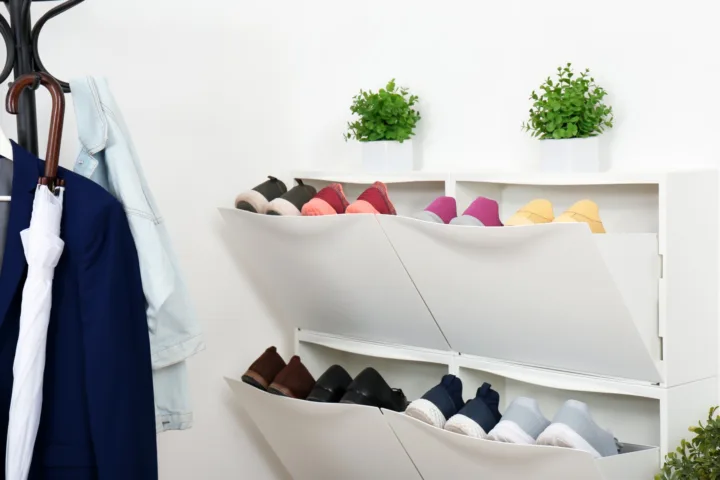
I line shoes left to right in the same rainbow sequence. Black boots sit near black pants. Nude heels stay near the neutrals. Finding the right pair takes almost no thought now.
10. Accessories Join the Color Party
Scarves, belts, and bags hang or sit in color order too. I use simple hooks and small bins. The whole closet stays consistent instead of having one chaotic corner.
11. Create Warm and Cool Clusters for Outfit Planning
Some seasons I group warm tones (reds, oranges, yellows) on one side and cool tones (blues, greens, purples) on the other. Neutrals bridge the middle. Mixing and matching becomes faster because related shades already sit together.
12. Seasonal Rotation Still Keeps the Color Code
I move off-season pieces to higher shelves or under-bed bins, but I keep them color coded inside those storage spots. When the weather shifts I simply slide the current season back into the main rod in the same order.
13. Label the Zones Lightly
I use small printable labels or washi tape on the rod or shelf edge. Nothing fancy. Just “blues,” “blacks,” “creams.” The labels help on the days when I am half-asleep and need a reminder.
14. Add a Weekly Five-Minute Color Reset
Every Sunday I spend five minutes putting strays back into their color homes. That tiny habit prevents the whole system from sliding. I never let the mess grow big enough to feel overwhelming again.
15. Keep One “Maybe” Section Temporarily
When I am unsure about a new piece or an old favorite, I give it a short trial zone at the far end. After two weeks it either joins its proper color family or leaves the closet. This stops decision fatigue from blocking progress.
How I Maintain the System Without Losing My Mind
The first month required discipline. I caught myself shoving a green shirt into the blue section more than once. Each time I pulled it out and put it where it belonged. The habit stuck because the payoff showed up every morning. I stopped opening the closet door with dread.
I also learned to shop differently. Now I notice when I already own three nearly identical navy tops. The color gradient makes duplicates obvious before I hit the checkout line. That alone has saved me money and space.
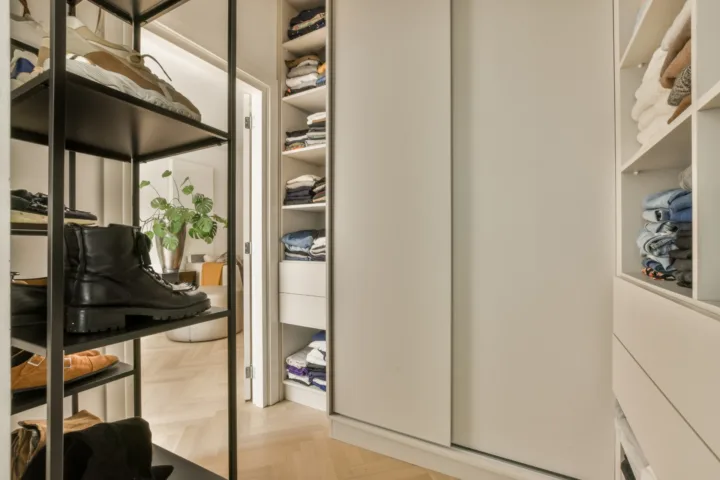
Space constraints never blocked me. Even in a small reach-in closet the system works. I simply use more vertical organizers and keep the color order strict on the single rod. Larger walk-ins give more room for separate zones, but the core method stays the same.
Common Mistakes I Made and How You Can Skip Them
I once tried pure rainbow without categories. Every blue item lived together no matter the type. Finding a specific pair of pants turned messy again. Categories first, color second fixed that.
Another early error was ignoring patterns completely. They ended up in a random pile that grew. The dominant-color rule solved it cleanly.
I also bought too many fancy bins at the start. Clear, simple ones work better. Fancy colors on the bins themselves competed with the clothes and made the closet busier instead of calmer.
Frequently Asked Questions
What is the easiest way to start with 15 closet organization ideas color code methods? Pull everything out, sort by type first, then arrange each type from light to dark in a simple rainbow. That single afternoon gives you the biggest visual win.
Does color coding work in a small closet? Yes. I use it in a standard reach-in. Matching hangers and strict color order make the limited space feel larger and easier to navigate.
How do I handle clothes that are mostly patterned? Hold the piece at arm’s length and decide which color stands out most. Place it in that color family. The method keeps patterns from creating their own messy zone.
Should I color code shoes and accessories too? I do. The consistency makes the whole closet feel finished. Shoes and bags follow the same light-to-dark or rainbow sequence as the clothes.
How often do I need to reset the color order? A five-minute weekly check keeps everything in place. I do mine on Sunday evenings while the laundry finishes.
I still open my closet most mornings and feel a quiet satisfaction. The colors line up. The pieces I reach for sit exactly where my eyes expect them. Getting dressed no longer steals energy I need for the rest of the day.
If your closet currently feels like a daily argument, pick one of these 15 ideas and try it this weekend. Start small. Keep the hangers matching. Watch how quickly the stress drops. The system does not need perfection. It just needs consistency. And once it clicks, you will wonder why you waited so long.