I stared at the same messy reach-in closet for years and felt defeated every morning. Shirts spilled off the single rod. Shoes piled on the floor. I wasted minutes digging for anything useful. That changed when I tested a full set of 16 reach in closet organization ideas and rebuilt the space from the ground up. Now I open the doors and everything sits exactly where I need it.
Honestly? The first attempt almost made me give up. I bought random bins and hoped for magic. It failed hard. Then I slowed down, measured the closet, and treated each idea like a real experiment. Some worked instantly. Others needed tweaks. Here is exactly what stuck for me.
Why Reach-In Closets Demand Different Strategies
Reach-in closets waste vertical space by default. Most come with one rod and one high shelf. That leaves dead air above and below the clothes. I measured mine once and found almost two feet of unused height under the rod. That is pure storage real estate sitting empty.
See, the goal is not more stuff. The goal is better access. I stopped buying bulkier organizers and started choosing tools that multiply the existing footprint. Double rods. Slim hangers. Floor-level shoe zones. Those moves gave me the biggest wins.
16 Reach In Closet Organization Ideas I Tested and Still Use
I numbered these based on impact in my own closet. You can pick any combination. Start with the first three if your space feels hopeless.
1. Install a Second Hanging Rod for Short Items
I added a lower rod about 40 inches from the floor. Shirts, jackets, and folded pants now hang in two rows. The upper rod stays for dresses and coats. This single change nearly doubled my hanging capacity without touching the walls. FYI, tension rods or simple brackets work fine if you rent.
2. Switch to Slim Velvet Hangers Across the Board
Thick plastic hangers ate half my rod space. I replaced every single one with slim velvet versions. Clothes stay put. The rod holds way more. Matching hangers also make the whole closet look intentional instead of chaotic. I noticed the difference the first morning I opened the doors.
3. Create Dedicated Zones by Category
I grouped all tops together, all bottoms together, and outerwear in its own section. Then I sorted each group by color from light to dark. Finding a blue shirt now takes seconds. No more rummaging. This system keeps itself honest because everything has a clear home.
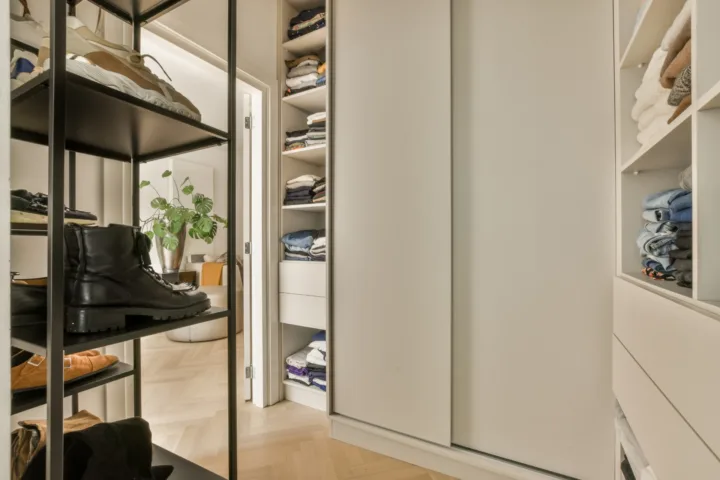
4. Add Floor-to-Ceiling Shelving on One Side
I cleared one end of the closet and installed adjustable shelves from floor almost to ceiling. Sweaters, jeans, and bags live there now. The adjustable part matters. I move shelves as seasons change. Fixed shelves would have locked me into one layout forever.
5. Drop a Narrow Drawer Unit Under the Short-Hang Section
A slim fabric or wood drawer tower fits perfectly under the lower rod. Socks, underwear, and folded tees stay hidden and dust-free. I pull the drawers out like a regular dresser. This freed the top shelf for things I rarely need.
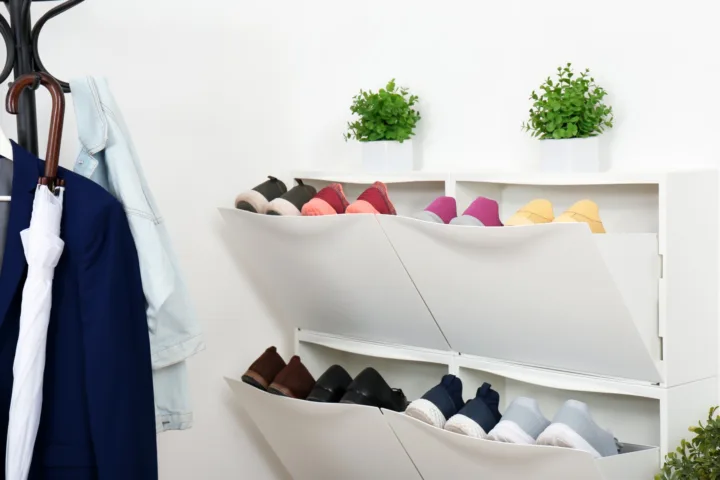
6. Use the Closet Floor for Shoe Shelves Only
I stopped dumping shoes in a heap. A simple two-tier shoe rack or angled shelves now hold pairs side by side. I can see every pair at a glance. No more kicking through a pile in the dark. Keep the rack low so it slides under the hanging clothes.
7. Mount Hooks on the Side Walls
The side walls usually sit empty. I screwed in a few sturdy hooks. Belts, scarves, and tomorrow’s outfit hang there. Bags hang without crushing. This costs almost nothing and solves the accessory mess overnight.
8. Hang a Multi-Compartment Organizer from the Rod
A fabric hanging organizer with six or more shelves gives me vertical cubbies for handbags, folded sweaters, or workout clothes. It hangs from the main rod and uses the dead space between clothes. I move it when I need the full rod again.
9. Claim the Back of the Door with Over-the-Door Storage
An over-the-door shoe organizer or multi-pocket unit holds flats, sandals, jewelry, and even scarves. The door becomes usable real estate. I check it every morning while the closet doors stay open. Nothing falls out if you choose a sturdy model.
10. Store Seasonal Items High and Out of Daily Reach
I keep winter coats and holiday pieces on the top shelf or in labeled bins above eye level. Everyday clothes stay at arm’s reach. This keeps the prime zone clean. I use a small step stool when seasons change. One afternoon of swapping is worth months of calm mornings.
11. Label Clear Bins for Folded Clothes and Accessories
Opaque bins hide everything. Clear ones let me see contents instantly. I label the front of each bin with simple categories. No guessing. No dumping the whole bin on the floor. This works especially well for scarves, hats, and workout gear.
12. Add a Retractable Valet Rod for Outfit Planning
A pull-out valet rod mounts high on the side wall. I hang the next day’s outfit the night before. In the morning I grab it and go. No last-minute searching. The rod tucks away when I close the doors.
13. Choose Adjustable Modular Systems When Budget Allows
I tested a basic Elfa-style track system on one wall. Shelves and rods slide to any height. Drawers and shoe racks click in later. The flexibility means the closet grows with my needs. If you buy once and plan well, you avoid constant replacements.
14. Keep Only What You Actually Wear
I pulled everything out and asked one question: have I worn this in the last year? Anything that stayed on the floor left the closet. The remaining clothes finally fit with room to spare. Decluttering first makes every other idea work harder.
15. Light the Space Properly
A simple battery-powered LED strip under the top shelf changed how I use the closet. Dark corners disappeared. I see colors correctly and stop pulling the wrong shirt. Motion-sensor lights work great if you forget to flip a switch.
16. Maintain a Weekly Five-Minute Reset
Every Sunday I straighten hangers, return strays to their zones, and wipe the shelves. Five minutes. That habit keeps the system alive. Without it the best setup slides back into chaos. I treat it like brushing my teeth. Non-negotiable.
How I Combined These Ideas Without Spending a Fortune
I started with the free and cheap moves. Declutter. Slim hangers. Side hooks. Over-the-door unit. Those cost under fifty dollars total and already cut my morning stress in half. Then I added the second rod and a basic shoe rack. Later came the drawer tower and better lighting.
IMO the biggest money waste is buying a full custom system before you know how you actually use the space. Live with the basic improvements for a month. Note what still frustrates you. Then spend on the exact piece that solves that frustration.
I also measured twice before buying anything. Standard reach-in depth sits around 24 inches. Anything deeper than that rarely fits. Width varies, so I sketched the layout on paper first. That sketch saved me from returns.
Common Mistakes I Made and Fixed
I once filled every shelf to the brim. Things toppled. Now I leave breathing room so I can grab one item without the rest cascading. I also hung long dresses on the lower rod by accident. They dragged on the floor. Separate the long-hang zone carefully.
Another early mistake: ignoring the door swing. Drawers that blocked the doors were useless. I shifted the drawer unit a few inches and the problem vanished. Test the full open-and-close motion before you commit to any permanent placement.
Frequently Asked Questions
How many of these 16 reach in closet organization ideas do I need to try first? Start with the double rod, slim hangers, and category zones. Those three alone transformed my closet more than any single expensive purchase. Add others only when you feel the next bottleneck.
Do I need power tools for most of these? No. Tension rods, over-the-door organizers, and freestanding drawer units need zero tools. Wall hooks and modular tracks require a drill, but many rental-friendly options use adhesive or tension instead.
What if my reach-in closet is only 4 feet wide? Focus on vertical moves. Double hang, side hooks, and an over-the-door unit still work. Skip wide drawer towers and choose narrow ones that fit the depth. Measure carefully and prioritize hanging over bulk storage.
Should I buy matching storage bins or mix and match? Matching clear bins create a cleaner look and make labels easier to read. I started with mixed sizes from what I already owned and upgraded later. Function first, pretty second.
How often should I reorganize once the system is in place? A full reset once per season works for me. The weekly five-minute tidy keeps daily drift from turning into a project. If you notice a new pile forming, address it that same day.
I still open my closet every morning and feel a small hit of calm. That feeling alone made the effort worth it. Pick two or three of these 16 reach in closet organization ideas this weekend. Measure your space. Clear one section. Put one new tool in place. The rest builds from there. Your future self will thank you when the alarm goes off and the outfit is already waiting