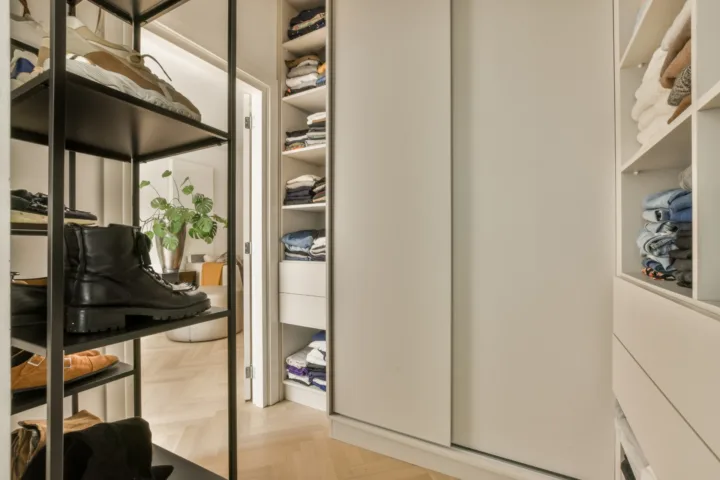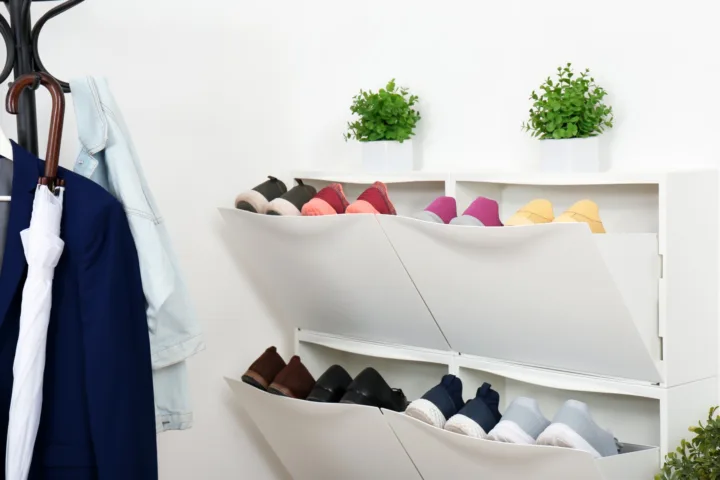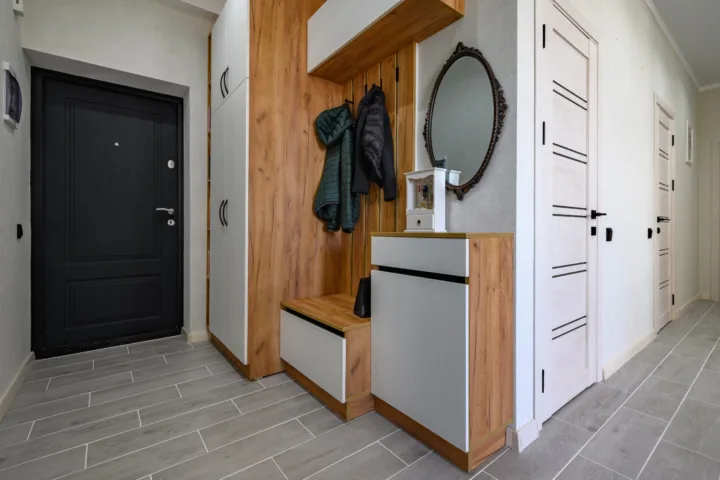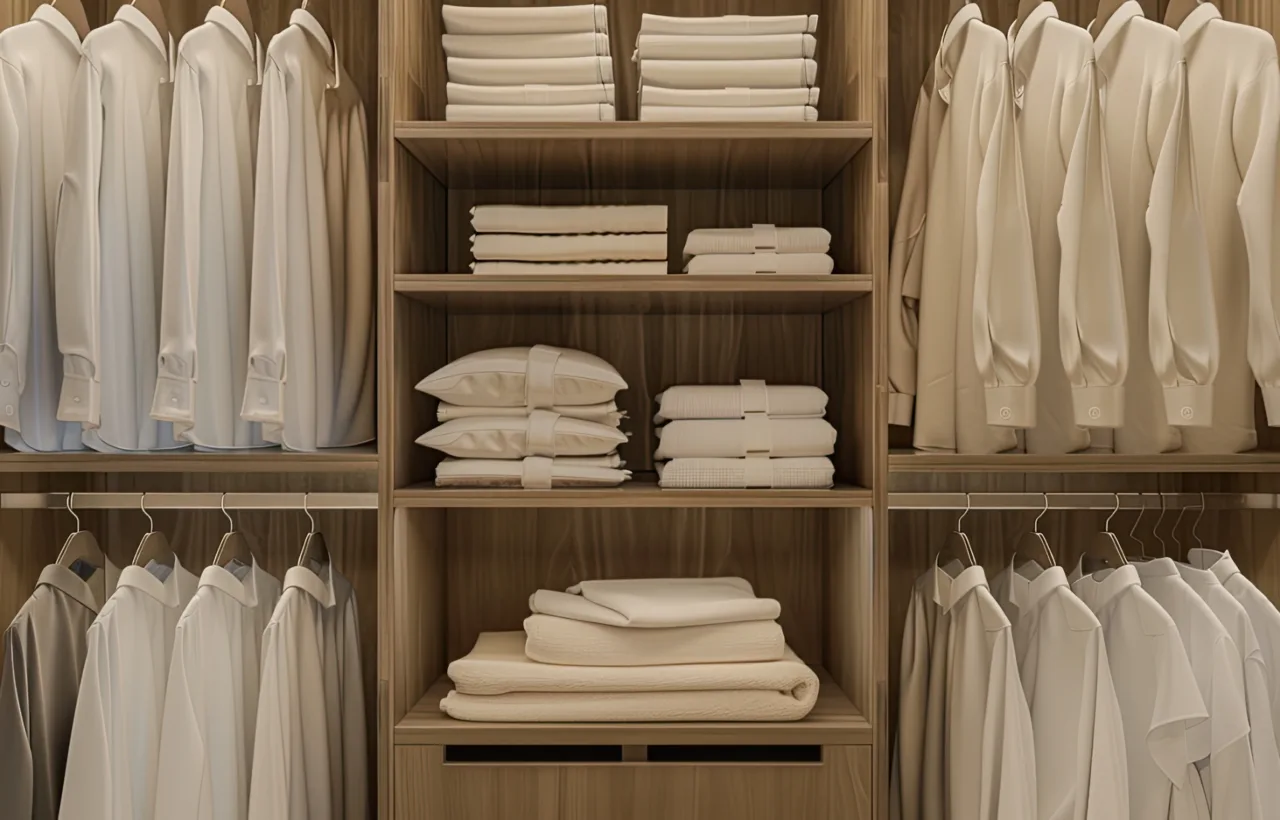

I used to open my closet and feel instantly defeated. Clothes spilled off hangers. Shoes formed a sad pile on the floor. I spent more time hunting for a simple black tee than actually getting dressed. That frustration pushed me to test 16 minimalist closet organization ideas until the space felt calm instead of chaotic. I kept only what worked in real life, not what looked pretty on Instagram. These ideas cut the noise and left me with a closet that supports my mornings instead of sabotaging them.
Honestly? The shift started when I stopped treating organization like a one-time project. I treated it like a daily habit. See, most of us try to force more storage into the same overcrowded space. That approach fails. The better move is to own less and arrange what remains with clear purpose. I learned this the hard way after three failed attempts that left me with the same mess two weeks later.
Why I Needed These Minimalist Closet Organization Ideas in the First Place
My old closet held clothes for a life I no longer lived. Workout gear from a gym membership I canceled. Dresses for events that never happened. Random gifts I kept out of guilt. Every morning I faced visual overload. Decision fatigue hit before I even made coffee.
I decided to strip everything back. I pulled every item out. I sorted into keep, donate, and maybe piles. The maybe pile sat in a box for thirty days. Anything I never reached for left the house. That single act created space. From there I tested practical systems that actually stick.
The goal stayed simple. Create a closet that shows me my options at a glance. Keep maintenance low. Make getting dressed feel easy again. These 16 minimalist closet organization ideas delivered exactly that.
Start With a Ruthless Edit Before You Buy a Single Organizer
Idea 1: Apply the One-Year Rule Without Mercy
I held each piece and asked one question. Did I wear this in the past twelve months? If the answer was no, it left. Exceptions stayed rare. Sentimental items moved to a memory box under the bed. Everything else had to earn its spot through actual use.
This step alone removed nearly half my clothes. The closet instantly looked larger. I felt lighter too. Owning less clothes means less laundry and fewer morning decisions.
Idea 2: Build a True Capsule Core
I limited everyday pieces to roughly forty items that mix and match. Basics in neutral colors formed the foundation. A few statement pieces added personality. Everything else rotated by season or stayed stored elsewhere.
IMO this remains the single highest-impact move. A small, intentional collection looks organized even before you add any tools. I stop buying random trends because they no longer fit the system.
Switch to Tools That Actually Save Space
Idea 3: Swap Every Hanger for Slim Velvet Ones
Plastic hangers waste rod space. Velvet ones stay thin and stop clothes from sliding. I replaced the whole set in one afternoon. The rod suddenly held more without looking crowded.
Matching hangers also create visual calm. My eyes stop bouncing around. The whole closet feels intentional instead of temporary.
Idea 4: Add a Second Rod for Double Hanging Space
Most closets leave huge empty vertical gaps. I installed a second adjustable rod below the main one. Short items like shirts and pants hang on the lower level. Longer dresses and coats stay up top.
This one change nearly doubled my hanging capacity without any permanent remodel. Renters can use tension rods or freestanding units that leave no marks.
Idea 5: Claim the Door With an Over-the-Door Organizer
The back of the door is free real estate. I hang a clear-pocket organizer there for shoes, scarves, and small accessories. Nothing sits on the floor anymore. I see every pair at once.
FYI, the clear version beats the fabric ones. You spot what you need without digging. I also keep a few hooks higher up for bags and belts.
Make Vertical Space Do the Heavy Lifting
Idea 6: Install Shelf Dividers for Folded Stacks
Sweaters and jeans used to topple into messy piles. Acrylic or wood dividers keep stacks upright and separate. I assign one section to each category. Finding a specific sweater now takes seconds instead of minutes.
These dividers cost little and require zero tools. They transform open shelves from chaos zones into neat columns.
Idea 7: Use Stackable Clear Bins for Seasonal Items
Off-season clothes live in labeled clear bins on the highest shelf. I rotate them twice a year. Clear walls let me see contents without opening every lid. Labels on the front finish the system.
I keep only current-season pieces at eye level. Everything else stays out of the way yet still accessible when needed.
Idea 8: Mount Floating Shelves for Bags and Hats
Wall space above the rod often sits empty. I added two floating shelves for structured handbags and a few hats. They stay visible and dust-free. The floor remains clear.
This keeps accessories from becoming floor clutter. It also turns the closet into a display that feels intentional.
Tame Shoes and Accessories Without Taking Over the Floor
Idea 9: Choose a Slim Tiered Shoe Rack
Shoes used to form a mountain. A three-tier rack holds twelve pairs in the footprint of three. I place it against the back wall. Boots stand in a separate tray to protect the floor.
Keeping shoes off the ground changes the entire feel of the closet. Suddenly the space looks deliberate instead of neglected.
Idea 10: Add Drawer Dividers for Small Items
Underwear, socks, and accessories used to live in one tangled drawer. Adjustable dividers create neat rows. I fold everything the same way so stacks stay uniform.
This small upgrade saves time every morning. I grab what I need without dumping the whole drawer.
Idea 11: Install Simple Hooks for Everyday Grab-and-Go Pieces
A few sturdy hooks on the side wall hold the jacket, bag, and scarf I reach for daily. These pieces never get buried. They stay ready without crowding the main rod.
Hooks solve the problem of “almost clean” clothes that otherwise end up on a chair. Everything has a home.
Create Systems That Keep the Peace Long Term
Idea 12: Color Coordinate Within Categories
I group shirts together, then arrange them light to dark. Same for pants and dresses. The rainbow effect is secondary. The real win is speed. My eyes find the exact shade faster.
Color order also makes missing pieces obvious. When a gap appears, I know something needs laundering or replacement.
Idea 13: Use a Valet Rod for Tomorrow’s Outfit
A small pull-out rod lets me hang the next day’s clothes the night before. No more last-minute searching. I plan while my mind is still clear.
This habit alone cut morning stress. I walk into the closet, grab the ready outfit, and move on.
Idea 14: Light the Space Properly
A dark closet hides mess and makes choices harder. I added a battery-powered LED strip under the top shelf. Motion-sensor lights work well too. Suddenly every item shows its true color.
Good lighting turns organization from guesswork into clarity. I stop pulling out three similar shirts just to compare them in better light.
Idea 15: Keep a Donation Bin Right Inside the Closet
A small labeled bin sits on the floor. Any piece that no longer fits or feels right goes straight in. When the bin fills, I drop it off. No second-guessing later.
This prevents the slow creep of clutter. The closet stays edited because the exit path is always open.
Idea 16: Leave Breathing Room on Purpose
I never fill the rod or shelves completely. Twenty percent empty space keeps the system flexible. New items can enter without forcing a full reorg. The visual calm lasts longer.
Crowding everything edge to edge creates stress even when the system is “organized.” Empty space is part of the design.
How These Ideas Work Together in Real Life
I did not apply all sixteen at once. I started with the edit and the hangers. Those two changes created immediate wins. Then I added the second rod and the door organizer. Each upgrade built on the last.
The biggest surprise was how little money I needed. Most of the tools cost under twenty dollars. The real investment was time and honesty about what I actually wear.
Mornings feel different now. I open the closet and see options instead of obstacles. Getting dressed takes minutes. I leave the house already feeling more settled. That calm carries into the rest of the day.
Frequently Asked Questions
How many clothes should a minimalist closet actually hold? I keep roughly forty everyday pieces plus a small seasonal rotation. The exact number matters less than whether every item earns its place through regular use.
Do I need to buy expensive closet systems for these 16 minimalist closet organization ideas to work? No. Most of the ideas use simple, affordable tools or no tools at all. Focus first on editing and matching hangers. The rest builds from there.
What if I live in a tiny apartment with almost no closet space? Vertical solutions and door organizers become even more important. I also use under-bed bins for overflow. The same principles scale down easily.
How often should I reassess the system? I do a quick ten-minute review every season when I rotate clothes. A deeper edit happens once a year. Small regular checks prevent big overhauls.
Can these ideas work for shared closets? Yes. Assign clear zones for each person and keep matching hangers throughout. Shared systems stay peaceful when everyone follows the same simple rules.
I still open my closet some mornings and feel a quiet sense of relief. The space no longer fights me. It supports the life I actually live. Start with the edit. Add one or two tools that solve your biggest pain point. The rest follows. Your mornings will thank you.