I spent years staring at a closet that looked like a laundry basket exploded. Polo shirts tangled with cardigans. Chinos buried under random sweaters. Loafers lost somewhere under a pile of scarves. The whole thing felt anything but preppy. Then I committed to fixing it with a set of practical moves that finally matched the clean, put-together vibe I wanted. These 18 preppy closet organization ideas changed how I get dressed every morning. They keep everything visible, ready, and looking sharp without requiring a full remodel or a professional organizer on speed dial.
Honestly? The process started messy. I pulled every single item out. The floor looked like a yard sale. But once I sorted and rebuilt the space piece by piece, the difference hit hard. Now my closet feels like a small shop I actually want to open every day.
Start With a Ruthless Edit Before You Organize Anything
I used to skip this step. Big mistake. You cannot organize clutter. You just move it around.
I emptied the entire closet onto my bed. Then I sorted into four clear piles: keep, donate, repair, and seasonal storage. Anything I had not worn in a full year went straight to donate. Sentimental pieces got a hard look. If it no longer fit the clean preppy palette of navy, white, khaki, and soft pastels, it left.
This single edit cut my wardrobe nearly in half. Suddenly the remaining pieces had room to breathe. I could see what I actually owned. That clarity made every later decision easier.
Key takeaway: Own less, wear more of what you love.
Match Every Hanger for Instant Visual Calm
Mismatched hangers made my closet look chaotic even after the edit. I swapped everything for one style of slim velvet hangers in soft gray. They take up less space than thick plastic or wood. Clothes stay put without slipping.
I hang shirts, blouses, and jackets all facing the same direction. Pants go on the same hangers with clips. The uniform look immediately reads as intentional and polished. Preppy style thrives on that kind of quiet consistency.
See, the matching hangers alone made the whole space feel expensive. No extra cost beyond the initial set.
Color Code Within Categories for Faster Outfit Building
I group by type first: all button-downs together, all sweaters together, all trousers together. Then I arrange each group from light to dark. Whites and creams sit on the left. Navy and charcoal sit on the right.
This system turns getting dressed into a quick scan instead of a scavenger hunt. I reach for a light blue oxford and already know exactly where the matching khaki chinos live. The color flow also looks beautiful when the doors open. It feels like a real boutique.
I tried organizing only by color once. It failed. Mixing categories made finding a specific pair of shorts frustrating. Category first, then color works better.
Install a Second Rod to Double Hanging Space
My original single rod left a huge empty zone underneath. I added an adjustable second rod about half the height down. Top rod holds longer items like dresses and blazers. Bottom rod holds shirts, skirts, and folded trousers on hangers.
This simple addition created space for everything without crowding. Vertical space is free real estate. Most closets waste it.
Use Vertical Folding for Sweaters and Knits
Stacking sweaters creates avalanches. I switched to the vertical fold method. Each sweater becomes a neat rectangle that stands upright in a drawer or bin. I can see every color at a glance.
This approach protects the fabric better than hanging. Knits keep their shape. I pull out exactly what I need without disturbing the rest. It feels orderly in a way that matches the rest of the preppy system.
Create Clear Zones by Clothing Type
I divided the closet into distinct zones the way a good store does.
- Long hang for coats and dresses
- Medium hang for shirts and jackets
- Short hang or shelves for pants and skirts
- Shelves for folded knits and jeans
- Floor or lower shelves for shoes
- Small drawers or bins for accessories
Each zone has a job. Nothing migrates. When I put laundry away, I know exactly where it belongs. The system stays intact for months instead of collapsing after one busy week.
Give Shoes Their Own Dedicated Real Estate
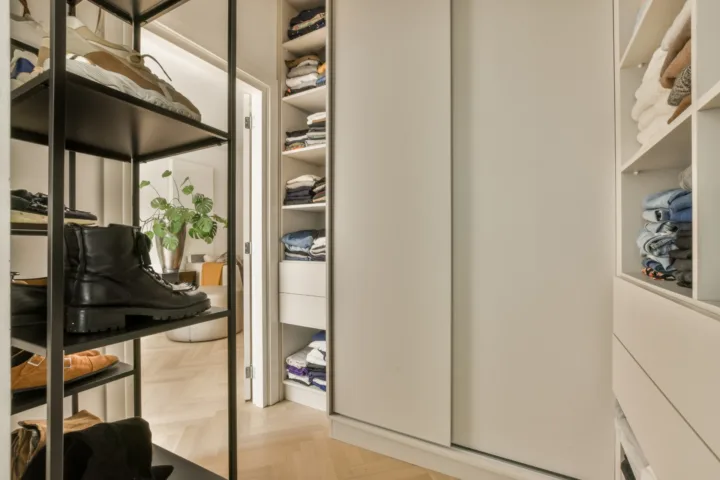
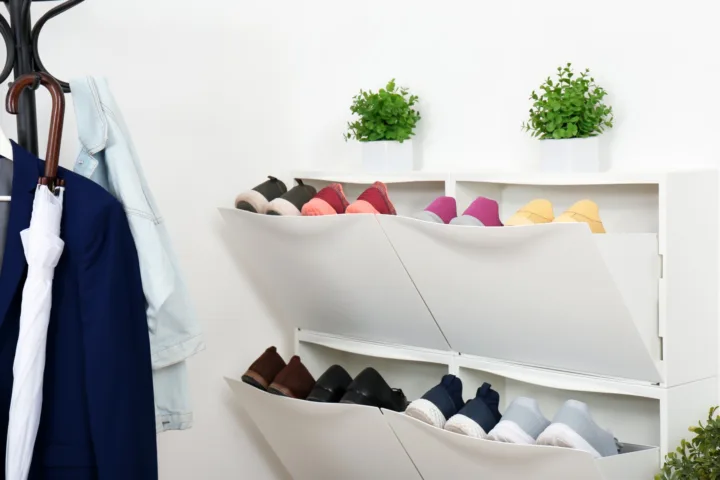
Shoes used to live in a heap on the floor. I bought a simple three-tier resin rack that fits the width of the closet. Loafers, sneakers, and boat shoes each get a clear spot. I alternate pairs toe to heel to save space and protect the shape.
For seasonal pairs I use clear drop-front boxes stacked on a high shelf. I can see the contents without opening every box. Dust stays out. The floor stays clear. That alone made mornings calmer.
Corral Accessories in Acrylic or Open Bins
Belts, scarves, jewelry, and sunglasses used to vanish into black holes. I added a few clear acrylic organizers on a middle shelf. One holds folded scarves. Another holds belts coiled neatly. A shallow tray holds everyday jewelry.
Everything stays visible. I grab what I need in seconds. The clear material keeps the look light and airy, which fits the preppy aesthetic better than opaque boxes that hide everything.
Label Every Bin and Basket
I used to rely on memory. That worked until it did not. Now every basket and bin gets a simple label. “Winter Sweaters.” “Scarves.” “Gym.”
Labels remove the guesswork for anyone else who might put things away. They also stop me from dumping random items into the wrong place. The system holds up because the labels make the rules obvious.
Maximize the Back of the Door
The inside of the closet door is prime unused space. I hung a simple over-the-door organizer with pockets. It holds scarves, small bags, belts, and a lint roller. Nothing clutters the main shelves.
I also added a couple of sturdy hooks for the next-day outfit or a robe. The door works hard without taking up floor or shelf room.
Rotate Seasonally Without Drama
I keep only the current season in the main closet. Off-season pieces go into labeled under-bed storage or a spare closet. When the weather shifts I swap everything in one afternoon.
This keeps the active closet lean. I never dig past heavy coats to find a summer polo. The rotation also forces a quick review of what still fits and what needs to leave.
Add Soft Lighting for Better Visibility
My closet used to sit in shadow. I stuck a simple battery-powered LED strip along the top shelf. Suddenly every color shows true. I can tell navy from black without pulling pieces into the bedroom light.
Good lighting makes the whole organization system more usable. It also makes the space feel intentional instead of forgotten.
Keep Everyday Essentials at Eye Level
I placed the clothes I reach for most often right at eye level and arm’s reach. Formal pieces and rarely worn items live higher or farther back. This placement matches how I actually dress. Daily polos and chinos sit front and center. The special-occasion blazer can live a little higher.
Frequency-based placement cuts decision time every morning.
Use Drawer Dividers for Small Items
Socks, underwear, and undershirts used to become one tangled mass. I added adjustable drawer dividers. Each category gets its own section. Everything stays upright and easy to grab.
The same idea works for ties or pocket squares if you keep those. Small dividers prevent the daily dig that used to frustrate me.
Display a Few Favorite Pieces Openly
I leave a couple of well-loved cardigans or a favorite striped sweater folded on an open shelf. It looks intentional, like a boutique display. The rest stays behind closed storage or neatly hung.
This small visual touch keeps the closet from feeling purely utilitarian. It still functions, but it also feels personal.
Leave Breathing Room on Every Shelf and Rod
I used to pack every inch. Clothes wrinkled. I could not pull one item without shifting five others. Now I leave about 20 percent of each shelf and rod empty. The space looks calmer. Items stay wrinkle-free. New pieces have somewhere to go without forcing a full re-sort.
Empty space is part of the organization, not a failure.
Choose Storage That Matches the Aesthetic
I avoided bright plastic or industrial metal. Instead I picked soft woven baskets, clear acrylic, and wood-tone accents. The materials feel quiet and classic. They support the preppy look instead of fighting it.
Function still comes first. But when the tools look good, I am more likely to keep using them.
Build a Simple Maintenance Habit
Organization dies without habits. I put laundry away the same day. I return shoes to their rack the moment I walk in. Once a month I do a five-minute scan for anything that drifted out of place.
These tiny actions keep the system alive. The big overhaul only works if the daily upkeep stays light.
Frequently Asked Questions
How do I start applying these 18 preppy closet organization ideas in a small closet? Begin with the edit and matching hangers. Those two steps create the biggest visual change with almost no extra tools. Then add one vertical solution like a second rod or hanging shelves.
Do I need expensive systems for these ideas to work? No. Most of what I use comes from basic retailers. Slim hangers, clear bins, and a simple shoe rack deliver the majority of the results. Custom systems help only if you already have the budget and the space.
How often should I reorganize after the initial setup? I do a full seasonal swap twice a year and a quick monthly check. The daily habit of putting things back keeps the need for big overhauls low.
Can these ideas work if I share the closet? Yes. Assign clear zones for each person and use labels. Matching hangers still create a unified look even when two wardrobes share the space.
What if my style is preppy but my closet is tiny? Focus on the edit, vertical space, and frequency-based placement. Those three moves free up the most room in a small footprint. Store off-season items elsewhere so the active closet stays lean.
I still catch myself standing in front of the open doors some mornings just to look. The space finally matches the way I want to show up in the world: clean, classic, and ready. Pick three of these ideas this weekend. Start with the edit and the hangers. The rest builds from there. Your future self will thank you every single time you reach for an outfit that is already waiting in its proper place.