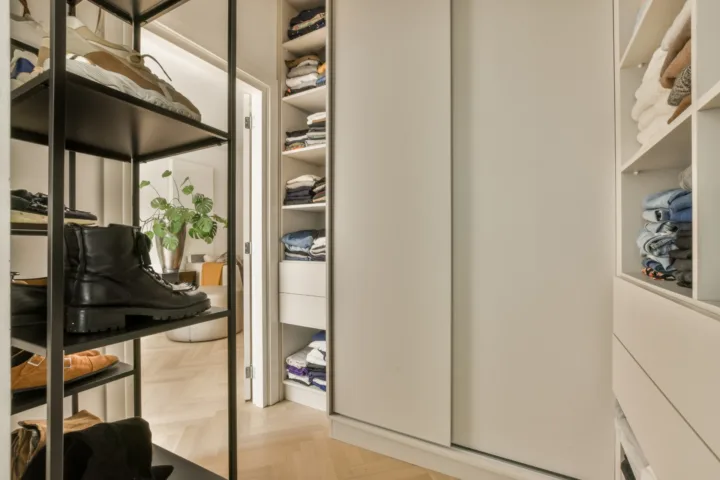
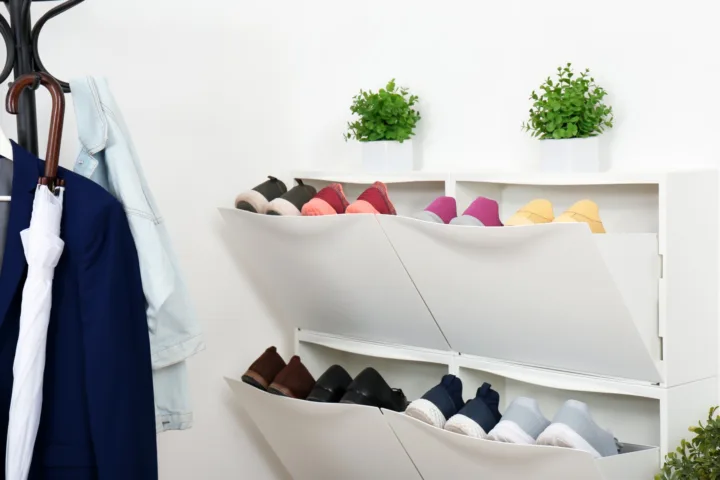
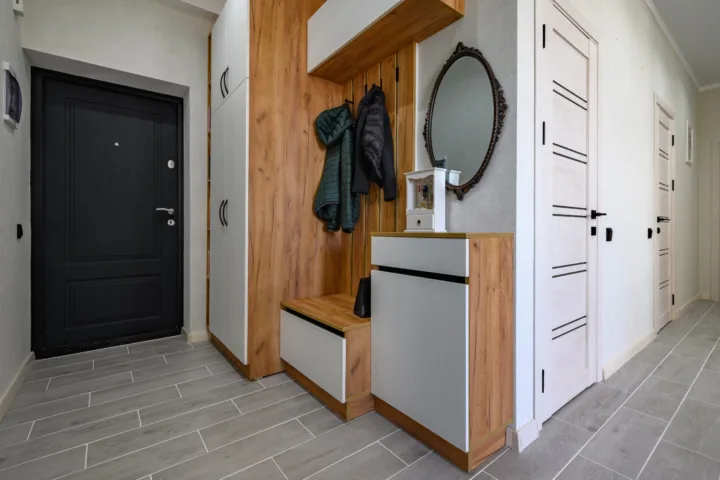
I spent years treating my garage like a junk drawer the size of a small apartment. Boxes stacked in corners. Tools scattered across the floor. Seasonal gear piled so high I could barely squeeze the car in. That changed when I started treating sections of the garage like proper closets instead of open dumping grounds. These 20 garage closet organization ideas grew out of my own trial and error. I tested most of them myself. Some cost almost nothing. Others required a weekend and a few trips to the hardware store. All of them helped me reclaim space I thought was gone for good.
Honestly? I felt defeated more than once. The garage never stayed tidy for long. Then I shifted my approach. I stopped trying to force everything onto open shelves and started building closed, zoned systems that function like closets. That shift made the difference.
Why I Started Thinking in Closets Instead of Piles
Most garages fail for the same reason. Everything lives on the floor or in random stacks. I learned the hard way that vertical closed storage beats open chaos every time. Cabinets, tall units with doors, and modular systems keep dust off gear and make the space feel intentional.
See, the real problem was never lack of space. It was lack of designated homes. Once I gave each category its own closet-style zone, the floor cleared up. Parking the car became possible again. Finding the right screwdriver stopped feeling like a scavenger hunt.
I organized the ideas below by the type of system that worked best for me. Some focus on walls. Others use ceiling space or freestanding units. A few are pure DIY. All stay practical.
Wall-Mounted Closet Systems That Do the Heavy Lifting
These form the backbone of any solid garage closet setup. I started here because walls offer the most unused real estate.
1. Full-Height Cabinet Walls
I installed a run of tall cabinets along one side wall. Powder-coated steel held up better than particleboard in the temperature swings. Heavy tools went on the lower shelves. Lighter seasonal bins sat higher. Doors hide the mess completely. The clean front makes the whole garage feel bigger.
2. Modular Closet Systems Adapted for Garages
I borrowed ideas from regular closet kits and reinforced them. Adjustable shelves and hanging rods work for sports gear the same way they work for clothes. I chose metal uprights rated for heavier loads. The system expands when I need more capacity.
3. Slatwall with Closet-Style Accessories
Slatwall panels let me hang baskets, hooks, and small shelves that slide into place. I treated one full wall like a giant closet interior. Garden tools hang in a neat row. Balls sit in mesh baskets. Everything stays visible yet contained.
4. Track Systems with Deep Baskets
A single horizontal rail mounts to the wall. Baskets and shelves clip on and move as needed. I use this for frequently grabbed items. The flexibility beats fixed cabinets when my storage needs change with the seasons.
Overhead and Ceiling Solutions That Free the Floor
Ceiling space is pure bonus real estate. I ignored it for years. Big mistake.
5. Overhead Platform Racks
I bolted sturdy platforms to the ceiling joists above the parking spots. They hold bins of holiday decorations and camping gear. A 4-by-8 platform supports hundreds of pounds when installed correctly. The floor stays clear. Access requires a step stool, which is fine for things I only need twice a year.
6. Suspended Closet Rods Between Joists
Where the ceiling stays unfinished, I hung closet rods with straps. Lightweight items like extension cords, umbrellas, and rolled landscaping fabric slide onto the rods. Nothing touches the floor. The setup looks simple and costs little.
7. Ceiling-Mounted Bike Lifts
Bikes used to lean against the wall and tip over constantly. Pulley systems lift them straight up. The bikes hang parallel to the ceiling when not in use. Floor space returns immediately.
Tool and Hardware Closets That Stay Functional
Tools demand their own dedicated systems. Scattering them creates constant frustration.
8. Pegboard Closet Walls
I covered a section of wall with metal pegboard. Hooks and shelves rearrange in minutes. Every tool has a silhouette outline so I know exactly what belongs where. Missing items become obvious at a glance.
9. Magnetic Tool Bars Inside Cabinet Doors
I mounted strong magnetic strips on the inside of cabinet doors. Screwdrivers, wrenches, and pliers stick in place. The bars keep small metal tools off the workbench and easy to grab.
10. Rolling Tool Cabinets as Mobile Closets
A tall rolling cabinet with multiple drawers acts like a freestanding closet. I park it against the wall most days. When a project starts, I roll it right to the work area. Drawers sorted by type keep everything findable.
11. Dedicated Hardware Closet with Labeled Bins
One small cabinet holds only screws, nails, bolts, and fasteners. Clear bins with printed labels line the shelves. No more mystery jars. I open the door and know exactly what I have.
Sports, Seasonal, and Everyday Gear Closets
These categories create the most visual clutter if left loose.
12. Tall Sports Gear Cabinets
I reserved one tall unit for balls, bats, helmets, and pads. Adjustable shelves handle different heights. Mesh baskets on lower shelves catch loose items. The closed doors keep the visual noise down.
13. Seasonal Clothing and Decor Closets
Out-of-season clothes and holiday bins live in labeled plastic containers on high shelves or in dedicated cabinets. Clear sides help me identify contents without opening every box. I rotate them twice a year.
14. Entry Drop-Zone Closet
Near the door into the house I built a mini closet system. Hooks for coats and bags. Cubbies for shoes. A small bench. This transition zone stops daily clutter from spreading into the rest of the garage.
15. Garden Tool Closet with Vertical Rails
Long-handled tools hang on a simple wall rail or in a narrow tall cabinet. Each tool has its own spot. No more tangled piles of rakes and shovels in the corner.
Budget and DIY Closet Ideas That Still Work Hard
Not every solution needs a big budget. Some of my best results came from simple builds.
16. Freestanding Tower Shelving with Doors
I bought basic metal towers and added inexpensive doors where possible. Uniform bins fill each level. The towers act like freestanding closets and move if I rearrange the layout.
17. Closet Bracket Bike Racks
Standard closet rod brackets mounted low on the wall hold bikes by the top tube. Felt pads protect the finish. The brackets cost almost nothing and free serious floor space.
18. Upcycled Cabinet Conversions
An old kitchen cabinet got new life as a locked storage unit for chemicals and paints. I reinforced the shelves and added a hasp. Hazardous items stay secure and out of reach.
19. Under-Workbench Closet Drawers
I built shallow drawers that slide under my workbench. They hold measuring tools, tape, and small parts. The bench stays clear while the drawers function as low-profile closets.
20. Labeled Clear Bin Systems on Open Shelves
When full cabinets felt too expensive, I used open metal shelving filled with identical clear bins. Large labels on the front and bottom make identification fast. The uniform look creates the same sense of order as closed cabinets.
How I Keep the Systems Working Long Term
Organization fails without maintenance. I schedule a quick review every season. Items that have not been touched in a year get donated or tossed. Labels get updated. Hooks get adjusted.
I also follow a simple zone rule. Daily items stay at eye level. Seasonal gear goes high or low. Heavy objects never sit above shoulder height. This keeps the garage usable instead of decorative.
Temperature and moisture matter too. I avoid untreated wood and particleboard. Steel and heavy-duty plastic handle the swings better. A dehumidifier in humid months protects the contents.
Frequently Asked Questions
What is the most effective starting point for garage closet organization ideas? Start by clearing everything out and sorting into keep, donate, and trash piles. Then measure your walls and decide which zones need closed storage first. I began with one wall of cabinets and expanded from there.
How do I choose between open shelves and closed cabinets for garage closet organization? Closed cabinets hide visual clutter and protect items from dust. Open shelves cost less and make inventory obvious. I use a mix. Cabinets for tools and chemicals. Open shelves with clear bins for seasonal gear.
Can these 20 garage closet organization ideas work in a small one-car garage? Yes. Focus on vertical systems and overhead racks. Keep the center clear for the car. Wall-mounted and ceiling solutions give the biggest return in tight spaces.
How much should I budget for a basic garage closet system? A solid starter setup with pegboard, one set of cabinets, and overhead racks can stay under a few hundred dollars if you install it yourself. Custom full-wall systems climb higher. I built mine in stages over several months.
Do garage closets need special materials? Moisture and temperature swings demand durable choices. Powder-coated steel, heavy-duty plastic bins, and treated lumber hold up better than standard closet materials. Avoid particleboard that can swell.
Final Thoughts from Someone Who Actually Parks Inside Now
I no longer dread opening the garage door. The systems I built from these ideas keep everything in its place without constant effort. The floor stays open. The car fits. Tools appear when I need them.
Start with one wall or one category. Build from there. The difference shows up fast. Your future self will thank you the next time you need a hammer and actually know where it lives.