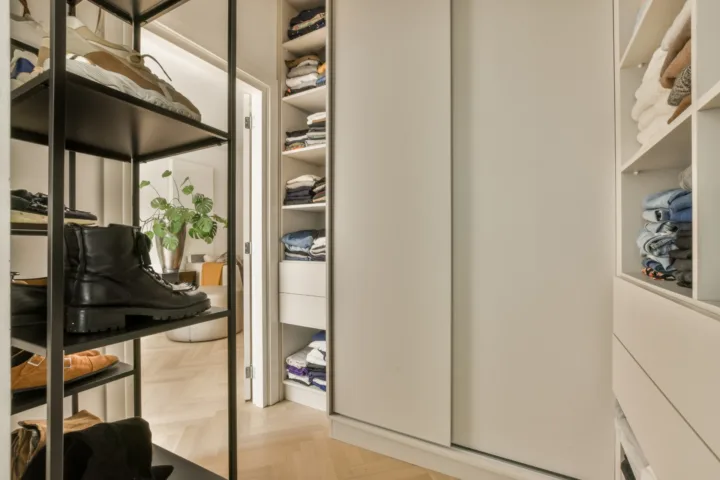
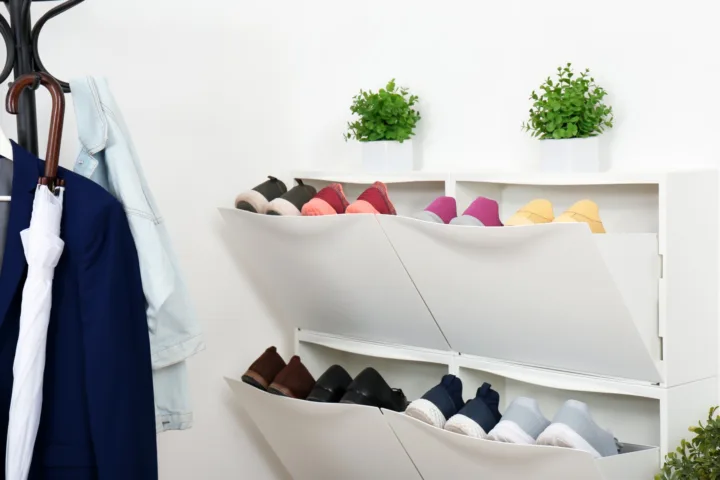
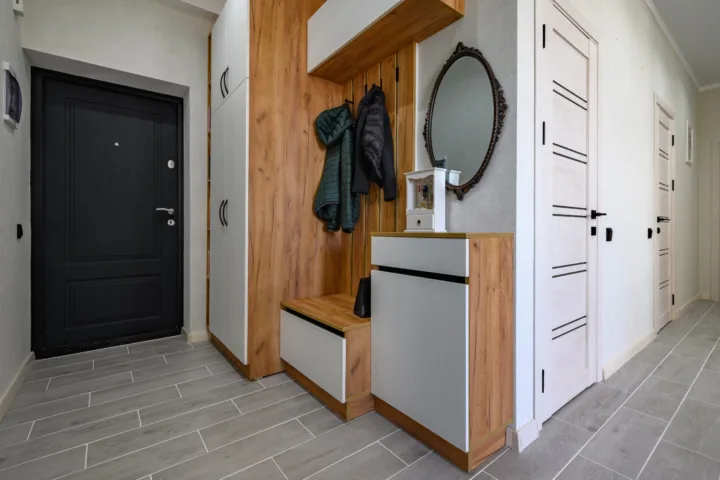
I used to open my master closet and feel defeated before the day even started. Shirts slid off plastic hangers. Shoes piled into a sad heap on the floor. The single rod groaned under the weight of everything I owned. My closet was barely four feet wide. It felt smaller every season.
I finally stopped pretending more space would magically appear and started treating the problem like a puzzle I could solve. These 19 small master closet organization ideas came from months of trial, error, and a few honest failures. Some cost almost nothing. A couple required a quick trip to the hardware store. All of them work in a real, imperfect home.
Here’s what I learned the hard way.
Start With the Ruthless Edit
Honestly? Most of us own too much.
I pulled every single item out of the closet and laid it on the bed. Anything I hadn’t worn in a full year went into a donate pile. The “maybe” pile got a second look two days later. Most of it left the house.
This one step alone freed up almost a third of the rod. See, the closet wasn’t the problem. The volume of stuff was.
I keep a small donation bag hanging on a hook inside the door now. When something stops earning its space, it goes straight in. No more waiting for a big purge day that never comes.
Double the Hanging Space With a Second Rod
The single biggest upgrade I made was adding a second hanging rod.
Most small master closets waste the lower half of the space. Shirts hang high. The area below sits empty. I installed a tension rod about 40 inches below the original one. Short items (tops, folded pants, skirts) now live on the lower rod. Long dresses and coats stay on top.
The difference was immediate. I gained an entire extra row of hanging capacity without drilling or spending more than twenty dollars.
If your existing rod is sturdy, a hanging double-rod extender works just as well. I tried both. The tension version felt cleaner in my narrow space.
Switch to Slim Velvet Hangers
Plastic hangers are space hogs.
I counted them once. Forty bulky hangers took up nearly the full width of my rod. Slim velvet ones took the same clothes and left room for more. The velvet grip also stopped everything from sliding into a tangled mess on the floor.
I bought a set of fifty in one neutral color. Matching hangers make the whole closet look calmer even when it’s full. IMO, this is the cheapest visual upgrade you can make.
Claim the Back of the Door
The door is free real estate most people ignore.
I hung a fabric over-the-door organizer with clear pockets. One side holds scarves and belts. The other side holds everyday accessories and a lint roller. No more digging through drawers for the things I reach for every morning.
A simple row of Command hooks works if you prefer a cleaner look. I use both. The pockets handle bulk. The hooks handle the quick grabs.
Create Clear Zones
Even a tiny closet needs zones.
I divided mine into four simple areas:
- Everyday clothes on the lower rod
- Work and dress pieces on the upper rod
- Shoes along the floor in a low rack
- Accessories on the door and one high shelf
When every category has a home, putting things away takes seconds instead of becoming a project. I stopped dumping clean laundry on the chair because the zones made the closet easier than the chair.
Go Vertical With Extra Shelving
The top of a small master closet is usually wasted.
I added two narrow floating shelves above the existing one. One holds seasonal bins. The other holds folded sweaters and a couple of structured bags. Because the shelves sit high, they don’t interfere with hanging clothes.
Wire shelves work if you need something temporary. Solid wood ones look better long-term. I went with white wood to match the closet interior. The visual calm matters more than I expected.
Use Shelf Dividers Like Tiny Walls
Folded stacks used to topple every time I pulled one shirt.
Clear acrylic shelf dividers fixed that overnight. I slide them between stacks of jeans, tees, and sweaters. Each pile stays upright. I can see every item without creating an avalanche.
These cost almost nothing and install in seconds. I keep a few extra for the days when the laundry pile grows.
Store Shoes in Clear Stackable Boxes
A pile of shoes on the floor is visual noise.
I switched to clear drop-front shoe boxes. Each pair has its own container. I can stack them three high along the back wall and still see every pair. Boots stand on the bottom row. Flats and sneakers sit above.
The clear fronts remove the guessing game. I no longer own three black pairs that look identical until I dig them out.
Add a Slim Shoe Rack on the Floor
If boxes feel too much, a low tiered shoe rack works just as well.
Mine holds nine pairs in the same footprint as a messy pile. I keep the most-worn shoes on the front row. Seasonal ones stay in boxes on the high shelf. The floor stays clear. That alone makes the whole closet feel bigger.
Hang a Valet Rod for Tomorrow’s Outfit
I used to lay clothes on the chair. The chair became permanent storage.
A small retractable valet rod fixed the habit. I pull it out the night before, hang the full outfit, and push it back in the morning. No more wrinkled “maybe” piles. The rod lives on the side wall and disappears when not in use.
Use Baskets for the Small Stuff
Belts, scarves, and random accessories used to live in a drawer that never stayed organized.
I put them in two identical fabric baskets on the middle shelf. One basket is for daily accessories. The other holds the less-used ones. Labels on the front keep me honest. When the basket is full, something has to leave.
Matching baskets cut visual clutter faster than any other single change I made.
Install Hooks Wherever They Fit
Hooks solve problems that shelves can’t.
I added three small metal hooks on the side wall for bags and a robe. Another two inside the door handle jewelry and hats. S-hooks hang from the main rod for jeans by the belt loop. Every vertical surface now earns its keep.
The key is choosing hooks that match the closet finish. Mismatched hardware looks temporary. Cohesive ones look intentional.
Fold Vertical Instead of Flat
I used to fold shirts the normal way and stack them. The bottom ones got crushed.
Now I fold most items so they stand upright in the bin or on the shelf, like files in a drawer. I can see every shirt at once. Pulling one out doesn’t disturb the rest. This works especially well for tees, leggings, and workout clothes.
It takes a few extra seconds to fold this way. It saves minutes every morning.
Rotate by Season Without Guilt
I don’t need winter coats in July.
Twice a year I move off-season pieces into under-bed bins or high closet bins. The active wardrobe stays lean. Getting dressed feels simpler because the choices are current. The high shelf holds the rotated items in labeled containers so nothing disappears forever.
This habit keeps the closet from slowly filling back up with things I only wear three months of the year.
Light the Space Properly
A dark closet hides mess and makes decisions harder.
I stuck battery-powered LED strip lights under the top shelf and along the side wall. Motion sensors mean they turn on when I open the door. Suddenly I can see the back of the rod and the highest shelf. The whole space feels usable instead of cave-like.
Cheap lights. Big difference.
Keep a Mini Tool Kit Inside
A lint roller, stain pen, and fabric shaver used to live in the bathroom.
I moved them into a small caddy on the door. Now the tools live where the clothes live. I’m far more likely to use them when they’re right there. Clothes stay wearable longer. The closet stays cleaner.
Label Everything That Lives High
High shelves are easy to forget.
I label every bin with a simple tag. Seasonal clothes. Extra sheets. Gift wrap. When I need something, I know exactly which bin to pull. No more climbing on a stool and guessing.
Clear labels remove the mental load of “where did I put that?”
Use the Floor for Drawers, Not Piles
If your closet has no built-in drawers, freestanding ones can slide right in.
I found a narrow three-drawer unit that fits under the lower rod. Underwear, socks, and tees live there now. The drawers keep the floor clear and give me the feeling of a dresser without taking bedroom space.
Measure carefully. A unit that’s even an inch too wide becomes a permanent obstacle.
Build a Daily Grab Zone at the Front
The items I use most live closest to the door.
A slim hook rail holds tomorrow’s bag, a jacket, and the shoes I wear three times a week. Behind that zone the rest of the closet stays calmer. Mornings move faster because the decisions are already made.
This is the last idea I added and one of the most useful. The front of the closet is the highest-traffic area. Treat it that way.
Frequently Asked Questions
How do I organize a small master closet without buying a full system? Start with the edit, switch to slim hangers, and add a second rod. Those three steps alone gave me more usable space than any fancy system I’ve seen in stores. The rest of the upgrades can come later as you need them.
What’s the best way to store shoes in a tiny closet? Clear stackable boxes or a low tiered rack both work. I use boxes for the pairs I wear less often and a rack for the daily ones. The goal is keeping the floor visible so the closet doesn’t feel like a cave.
Can these 19 small master closet organization ideas work in a rental? Almost all of them can. Tension rods, Command hooks, over-the-door organizers, and freestanding drawers leave no permanent marks. I avoided anything that required drilling into the walls.
How often should I reorganize a small closet? I do a light reset every season when I rotate clothes. A deeper edit happens once or twice a year. Small consistent habits beat big annual overhauls every time.
Do matching hangers really matter? They do for the visual calm. When every hanger looks the same, the eye stops noticing clutter. That quiet makes it easier to maintain the system long-term.
I still open the closet some mornings and smile at how far it has come. The space is the same size it always was. The difference is that every inch now has a job. No more mystery piles. No more deciding under pressure while half-dressed.
Pick one or two of these ideas and try them this week. The second rod and the slim hangers gave me the fastest payoff. Once those were in place, the rest felt easier. Your small master closet can work harder than you think. It just needs the right setup.