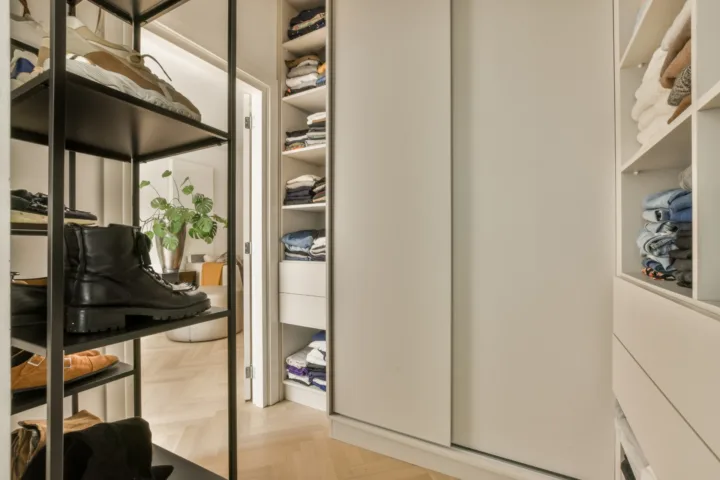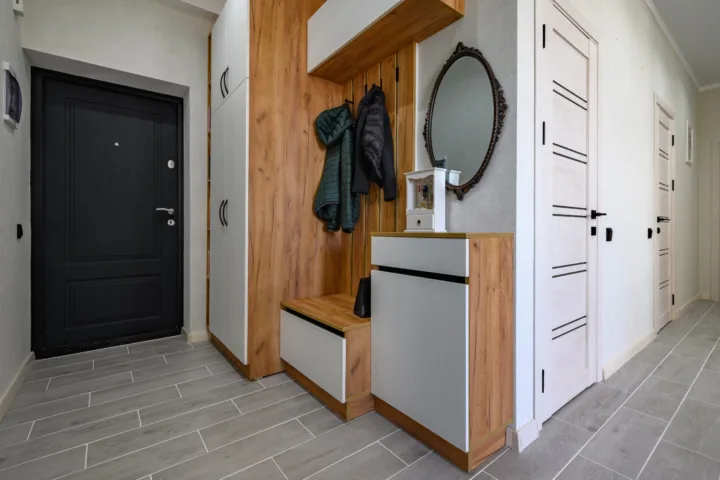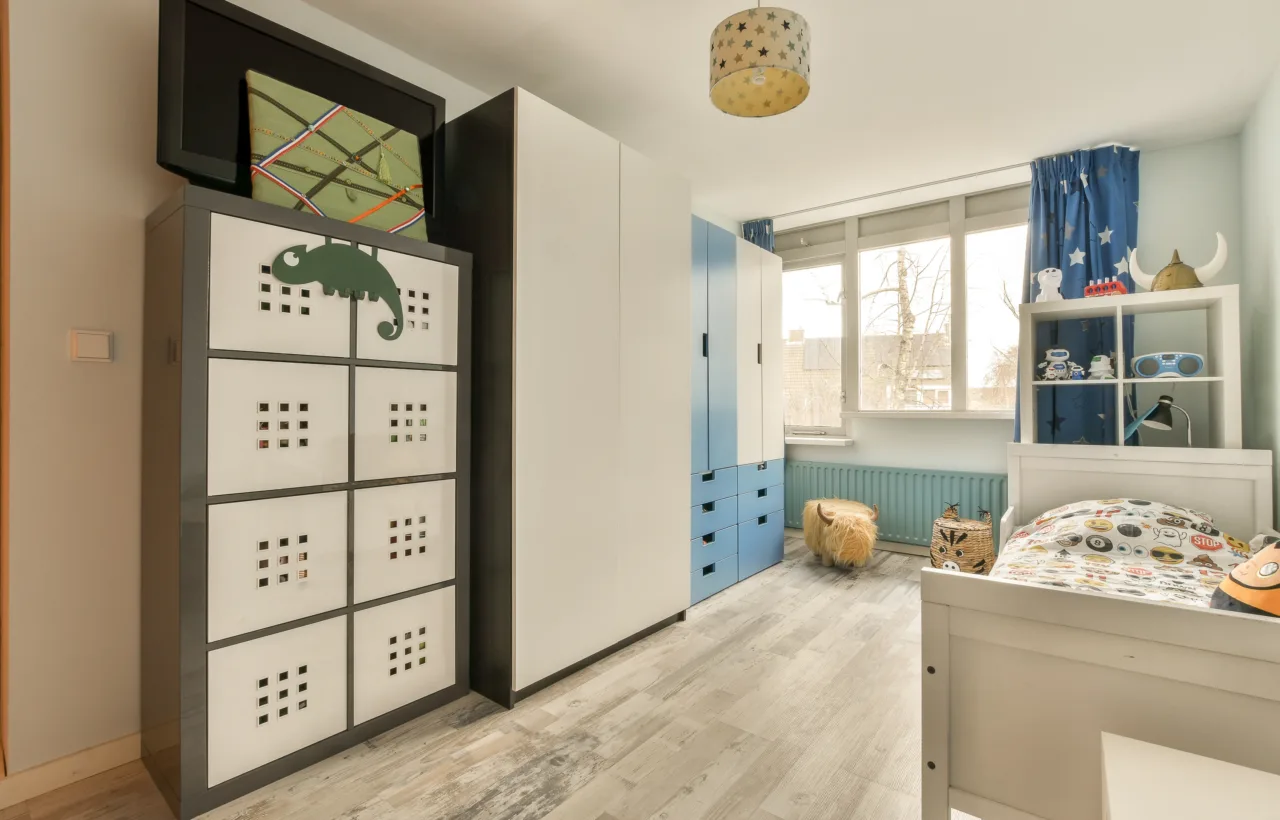

I spent years staring at a shared kids closet that looked like a laundry explosion hit it every single night. Two boys. One closet. Endless arguments over whose shirt was whose. Honestly? I felt defeated more mornings than I care to admit. Then I started testing real systems that stuck. These 19 shared kids closet organization ideas grew out of pure survival mode in our house. They work because they give each kid clear ownership and make cleanup almost automatic.
I keep the language simple here. No fancy systems that fall apart by Wednesday. Just what I use day after day.
Why Shared Closets Turn Into War Zones So Fast
Kids share space the way they share toys. Everything becomes communal until someone needs their favorite hoodie. Clothes pile up. Shoes vanish. Laundry multiplies overnight. I watched this happen for too long before I changed the setup.
The real problem sits deeper than clutter. Kids need boundaries they can see and reach. Without them, the closet becomes a free-for-all. I fixed that by treating the space like two mini closets inside one frame.
My Go-To Framework Before Any Big Change
I always empty the entire closet first. Every sock. Every outgrown pair of pants. Everything lands on the bedroom floor. Seeing the full pile forces honest decisions. Keep only what fits right now and gets worn often. Donate the rest. Store next-season pieces elsewhere.
This step alone cuts the volume in half. FYI, I do this twice a year. Spring and fall. Nothing stays that does not earn its spot.
19 Shared Kids Closet Organization Ideas That Work in Real Life
1. Split the Closet Straight Down the Middle
I assign left side to one kid and right side to the other. A simple vertical divider or even colored tape on the rod makes the line obvious. No more “that was mine” debates. Each child owns their half. Ownership changes everything.
2. Color-Code Everything in Sight
Blue hangers and bins for one. Green for the other. I extend the colors to labels and even the laundry baskets. Kids spot their section in two seconds. Color coding beats names for younger ones who cannot read yet.
3. Install a Second Low Hanging Rod
Adult-height rods leave clothes out of reach. I added a second rod around 33 inches high. Kids hang their own shirts and jackets. They put clothes away after laundry day without me hovering. Independence starts here.
4. Use Slim Non-Slip Hangers Only
Bulky plastic hangers waste space and let shirts slide off. Slim velvet ones let me fit more clothes and keep everything upright. The closet looks calmer the second I switch them out.
5. Add a Center Tower With Drawers
A freestanding or built-in tower in the middle creates natural zones. Drawers hold socks, underwear, and pajamas for each child. I divide the drawers evenly. The tower becomes the boundary and the storage hero at the same time.
6. Keep Only Current-Season Clothes Inside
Off-season stuff moves to bins on the top shelf or under the bed. Winter coats do not live next to summer shorts. This rule alone stops the daily “I cannot find anything” spiral.
7. File-Fold Clothes in Open Bins
I fold shirts and pants like files in a cabinet so every piece stands upright. Kids see the full stack without digging. No more avalanche when they pull one item. Open bins make this even easier.
8. Assign Individual Shoe Cubbies or Racks
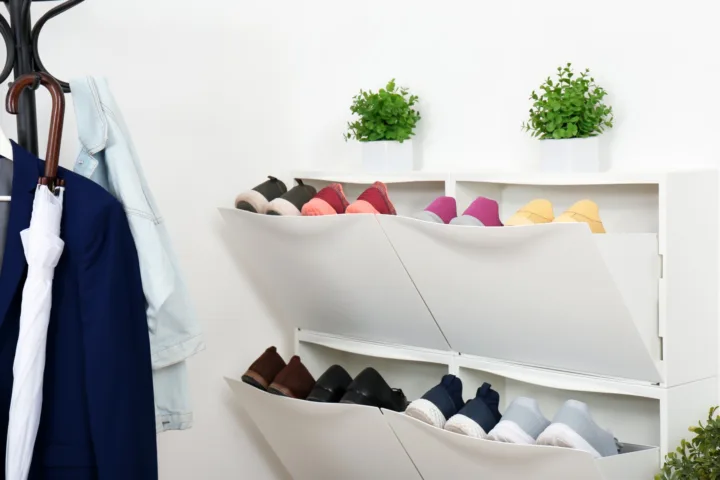
Shoes used to live in a giant heap on the floor. Now each kid has two or three cubbies or a small shoe rack on their side. They return shoes to the same spot every night. Morning hunts disappeared.
9. Label With Pictures and Words
Young kids cannot always read. I print simple pictures of shirts, pants, and socks next to the words. Older kids get text-only labels. Labels remove the guesswork. Everything has a home that stays consistent.
10. Place a Named Laundry Basket on Each Side
One basket per child sits right inside or next to their section. Dirty clothes go straight in. I wash one person’s laundry at a time. Sorting becomes almost nonexistent. Mix-ups drop dramatically.
11. Give Each Kid Their Own Sock Color or Pattern
One child gets solid black. The other gets patterns or a different solid. Matching socks stops being a twenty-minute chore. I buy multiples of the same style so holes do not create stress.
12. Create a Next-Day Outfit Spot
A small valet rod or hook on each side holds tomorrow’s clothes. Kids choose the night before. Mornings run smoother. Decision fatigue shrinks.
13. Use the Top Shelf for True Storage Only
I keep the top shelf for hand-me-downs, special occasion pieces, and extra bedding. Everyday items stay at kid height. The high space stops becoming a dumping ground.
14. Add a Step Stool That Lives Nearby
Younger kids still need a boost for higher bins. A sturdy stool stays in the closet or right outside. They climb safely and put things away themselves. I stop reaching for them constantly.
15. Hang Hooks for Backpacks and Jackets
Hooks at kid height hold backpacks, coats, and hats. These items no longer hit the floor or get buried under clothes. The hooks act like a landing zone after school.
16. Limit the Total Number of Outfits
I keep roughly ten complete outfits per child in the active closet. Daily laundry means we never run short. Fewer choices mean less overwhelm and faster decisions. Minimal works better than I expected.
17. Rotate Bins Seasonally Without Drama
When the weather shifts, I swap the short-sleeve bin for the long-sleeve one. Off-season clothes move up high. Kids stop wearing shorts in January because those shorts no longer sit at eye level.
18. Keep a Shared Neutral Zone for Common Items
Extra hangers, a lint roller, and spare labels live in a small neutral bin. Everything else belongs to one child or the other. The shared spot stays tiny on purpose.
19. Do a Five-Minute Weekly Reset Together
Sunday evenings we spend five minutes putting strays back. Kids help. The system stays alive because we protect it together. Consistency beats perfection every time.
How These Ideas Changed Our Actual Mornings
I used to dread the 7 a.m. scramble. Now both boys grab their own clothes, put shoes on, and leave the closet looking decent. Arguments still happen, but they rarely involve missing shirts. The system carries the load so I do not have to.
See, the biggest shift happened when I stopped trying to make the closet perfect and started making it usable for small hands. Kids rise to the level of the system you give them. Clear zones and reachable storage do more than any lecture.
Extra Tips That Keep the System Alive
I measure success by how little I intervene. When a child can dress and undress without calling for help, the organization worked. Adjustable shelves matter because kids grow fast. What fits a five-year-old fails a nine-year-old. I raise rods and shelves as needed.
Budget stays reasonable. Most of these ideas use bins from big-box stores, basic rods, and colored hangers. Custom systems look nice but are not required. Start with the split, the colors, and the low rod. Those three alone create massive improvement.
IMO, the color coding and individual laundry baskets deliver the highest return for the least effort. They solve the ownership problem that fuels most fights.
Frequently Asked Questions
How do I start with 19 shared kids closet organization ideas if the closet feels completely hopeless? Empty everything first. Sort into keep, donate, and store piles. Then pick three ideas that feel easiest: the side split, color coding, and a low rod. Build from there instead of trying all nineteen at once.
What if my kids are different ages and need different amounts of space? Needs-based division works better than strict halves. Give the older child more hanging space and the younger one more bins and lower shelves. Fair does not always mean equal.
Do I need expensive closet systems for these ideas to work? No. Basic rods, bins, labels, and hangers cover most of the list. A center tower helps but is optional. Start simple and upgrade only if the space demands it.
How often should I purge the shared closet? Twice a year works for us. Season changes force the issue. Quick weekly resets keep small messes from growing.
Will these 19 shared kids closet organization ideas still work as kids get older? Yes, with adjustments. Raise the rods, switch to text labels, and give more hanging space as needed. The core of clear ownership stays useful through the teen years.
I still catch myself smiling when both kids put clothes away without reminders. That never used to happen. The closet stays usable because the rules are visual and the reach is right. You can create the same calm. Start with the empty-out. Pick the ideas that match your kids’ ages. Protect the zones. The peace follows.