I stared at my kids’ tiny closet one morning and felt the familiar wave of defeat. Clothes spilled onto the floor. Shoes lived in a tangled pile. Half the shirts never made it onto hangers. I needed real 19 kids small closet organization ideas that fit our small space, not Pinterest perfection. What follows is exactly what I tried, adjusted, and kept after years of living with this exact problem.
Honestly? The first versions of our system failed. Kids ignored labels. Hangers slipped. Bins toppled. I almost gave up and shoved everything into bins under the bed. Then I stopped chasing “pretty” and started chasing “reachable.” That shift changed everything.
Why Most Small Kids Closets Fail
See, most closets start with one high rod and one high shelf. That setup works for adults. It fails kids. Their clothes are short. Their arms are short. Their attention spans are shorter. When the system sits above their heads, they stop using it. Clothes hit the floor. You become the full-time picker-upper.
I learned this the hard way with my two. The older one could reach. The younger one could not. Shared chaos followed. I think the wrong question is “How do I fit more stuff in here?” The better question is “How do I make every single item easy for a kid to grab and put back?”
Once I asked that, the rest fell into place.
Double the Hanging Space Without Building Anything
The single biggest upgrade I made was adding a second hanging rod. Kids’ shirts and pants need far less vertical clearance than adult clothes. A lower rod at roughly kid height doubles capacity and hands independence back to them.
I used a simple tension rod at first. It worked for a season. Then I switched to an adjustable metal doubler that clips onto the existing rod. More stable. Less wobble. The lower rod now holds everyday tops and bottoms. The upper rod holds jackets, dresses, and next-size-up pieces.
Key takeaway: Install the lower rod low enough that your shortest child can hang a shirt without help. Independence sticks when the system meets them where they are.
Slim Hangers Change the Math
Bulky plastic hangers waste inches. I switched every hanger in both kids’ closets to slim velvet ones. Instantly more clothes fit on the same rod. The non-slip surface stopped the daily avalanche of half-hung shirts.
I bought them in bulk. One color for each child. Color coding turned out to be pure gold for shared spaces. FYI, matching hangers also look calmer when the door opens.
Create Zones That Kids Can See and Reach
I divided each closet into clear zones:
- Everyday clothes on the lower rod
- Folded items in hanging shelf organizers or low bins
- Shoes on the floor or in a low shoe shelf
- Seasonal and next-size clothes up high
- Accessories and small items on the door
Zones remove decision fatigue. Kids know exactly where a pair of shorts belongs. I stopped hearing “I can’t find anything” every morning.
Picture Labels for Pre-Readers
Words fail younger kids. Pictures work. I printed simple icons for shirts, pants, socks, and pajamas. Laminated them. Stuck them on bins and shelf edges. The younger one started putting laundry away without prompting. That alone felt like a win.
Over-the-Door Real Estate Is Free Storage
The back of the closet door was empty space for years. I hung a clear pocket organizer there. Now it holds socks, hair clips, belts, and the endless stream of small accessories that used to vanish into the floor pile.
Another version with deeper pockets holds light shoes or folded tees. I keep heavier shoes on the floor so the door still closes smoothly.
Hanging Shelf Organizers for Folded Clothes
Canvas hanging organizers with multiple cubbies turned one section of rod into instant shelves. I use them for pajamas, school shirts, and swimsuits. Everything stays visible. Nothing gets buried under a stack.
I prefer the ones that hang securely and have removable dividers. Kids can pull out one cubby without dumping the rest.
Center Tower or Drawer Unit for Tiny Categories
In the narrowest closet I added a slim freestanding tower with drawers. Socks, underwear, and undershirts live there now. The drawers sit at kid height. Morning chaos dropped hard.
If the closet is too narrow for a full tower, a couple of sturdy stackable bins on a low shelf do almost the same job.
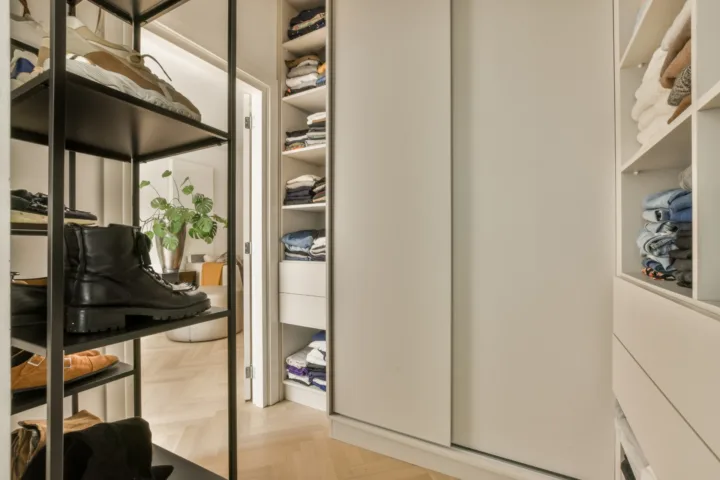
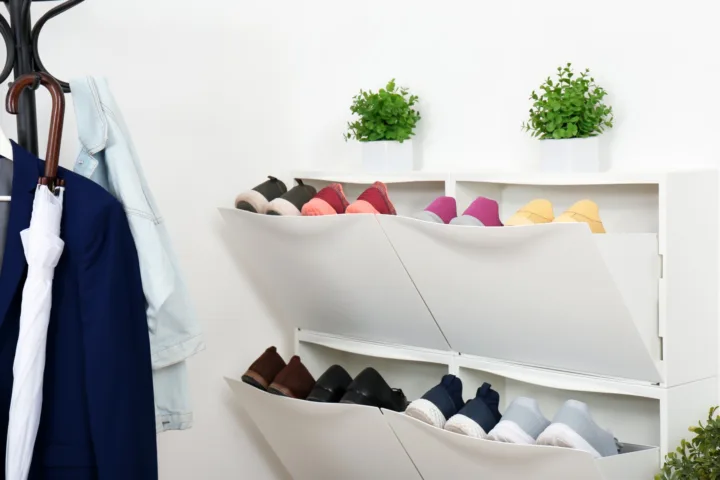
Low Shoe Storage That Survives Daily Use
Shoes used to live in a permanent pile. I added a simple low shoe shelf and a couple of open bins. Each pair gets its own spot. The floor stays clear. Tripping hazards disappeared.
For smaller spaces I use a hanging shoe organizer with larger pockets. It keeps pairs together and off the floor.
Color Coding for Shared Closets
When two kids share one closet, color becomes the boundary. Blue hangers and bins for one. Green for the other. Colored tape on the rod marks the dividing line. Arguments over whose shirt is whose dropped almost overnight.
I also keep a small bin of “shared” items like hats and rain jackets in neutral colors so neither claims ownership.
Size Dividers and Next-Up Storage
Kids outgrow clothes fast. I keep a few next-size pieces on the upper rod or in a high bin marked with the size. Simple paper dividers or different colored hangers separate current sizes from the ones waiting in the wings.
Outgrown clothes go straight into a labeled bag on the highest shelf. Once a month I sort them for donation or hand-me-downs. No more mystery piles.
Weekly Outfit Prep Without the Overwhelm
I tried full week-of-outfits systems. They looked cute for about three days. Then life happened. What stuck was a simpler version: a small hanging organizer with five clear pockets. Sunday night we load five complete outfits. Mornings become grab-and-go.
The rest of the clothes stay in their regular zones. Less pressure. Better follow-through.
Vertical Thinking for Seasonal Rotation
High shelves hold the heavy hitters that only appear a few months a year. Winter coats. Rain boots. Extra blankets. I use sturdy bins with lids so dust stays out and kids cannot accidentally pull them down.
Lower shelves stay open for daily favorites. The visual difference helps kids know what belongs where.
Hooks and Rails for the Odds and Ends
Belts, scarves, backpacks, and hoodies used to claim floor space. A simple over-the-door rail or a few strong hooks fixed that. Everything hangs. Everything stays visible. Everything stays off the floor.
I placed the lowest hooks at kid height so they can hang their own backpack after school.
Clear Bins Versus Opaque Ones
Opaque bins hide mess. Clear bins show it. I switched most of the small-item storage to clear. Kids can see socks without dumping the whole bin. Visibility keeps the system honest.
I still use a couple of pretty woven baskets for the top shelf where looks matter more than constant access.
Adjustable Systems That Grow With Them
I avoided permanent built-ins at first. Renters’ rules. Budget limits. What worked was an adjustable track system or simple freestanding pieces that I can raise as the kids grow. Rods move up. Shelves shift. The same bones serve from preschool through elementary.
IMO, spending a bit more on something adjustable beats buying a new system every two years.
Under-Bed Overflow When the Closet Hits Capacity
Even the best organized small closet eventually fills. I keep a couple of low-profile bins under the bed for true overflow: formal clothes, special occasion shoes, and the next season’s bulk. They slide out easily and stay out of the main traffic zone.
Teaching the Reset Habit
The best system still fails if no one maintains it. I started a five-minute nightly reset. Kids put clothes back in their zones. I do a quick check. Consistency beats perfection. The closet stays usable most days instead of needing a full overhaul every weekend.
I keep the reset short on purpose. Long chores get abandoned. Short ones stick.
What I Would Skip Next Time
Fancy matching sets that look great in photos but lack durability. Overly complicated labeling systems that require constant updating. Anything that needs tools kids cannot handle safely. Keep it simple. Keep it reachable. Keep it honest about how kids actually live.
Frequently Asked Questions
What are the best 19 kids small closet organization ideas for shared spaces? Color coding, clear zone dividers, and a lower rod for the shorter child make shared closets work. I use different hanger colors and a visible boundary on the rod so each kid knows their side.
How do I organize a very narrow kids closet? Focus on vertical space with double rods, hanging shelf organizers, and over-the-door storage. Skip wide furniture. Slim bins and clear pockets stretch every inch.
Should I use labels or pictures for young kids? Pictures win for pre-readers. I print simple icons, laminate them, and stick them on every bin and shelf. Kids start putting things away without constant reminders.
How often should I purge outgrown clothes? I do a quick check once a month and a deeper sort at the start of each season. Keeping a dedicated “outgrown” bin on the highest shelf makes the process painless.
Can these ideas work in a rental without drilling? Yes. Tension rods, over-the-door organizers, freestanding towers, and hanging shelf units need zero holes. I used all of them successfully in our previous rental.
The tiny closet still exists. The chaos does not. I walk past it most mornings and feel quiet satisfaction instead of dread. The system is not perfect. It is used. That is the real test.
Start with one change this week. Add the lower rod or switch the hangers. Watch what happens when kids can actually reach their own clothes. Then build from there. Your future self (and your kids) will thank you.