
My coat closet used to swallow everything that walked through the front door. Coats piled high. Shoes tumbled out. Gloves vanished into the void. I spent months wrestling with that tiny entryway space before I finally cracked a system that stuck. These 19 coat closet organization ideas entryway setups transformed my mornings from frantic searches to grab-and-go ease. I share exactly what worked for me so you can skip the trial and error.
Honestly? The clutter felt personal. Every time I opened that door I felt a little defeated. Then I stopped treating it like a catch-all and started treating it like a command center for leaving the house. That shift changed everything.
Start With a Ruthless Clean-Out
I always begin by pulling every single item out. Coats. Boots. That random umbrella from three years ago. Everything lands on the floor or a nearby table. This step shows me what I actually own versus what has been hiding.
See, most of us keep coats we have not worn in seasons. I sorted mine into three piles: keep, donate, and store elsewhere. The keep pile stayed small. Only the pieces I reach for weekly made the cut. FYI, that one decision alone freed up half the rod space.
Once the closet stood empty I wiped every surface. Shelves. Floor. Baseboards. A clean slate makes the next steps feel intentional instead of reactive.
Add Smart Shoe Storage Right Away
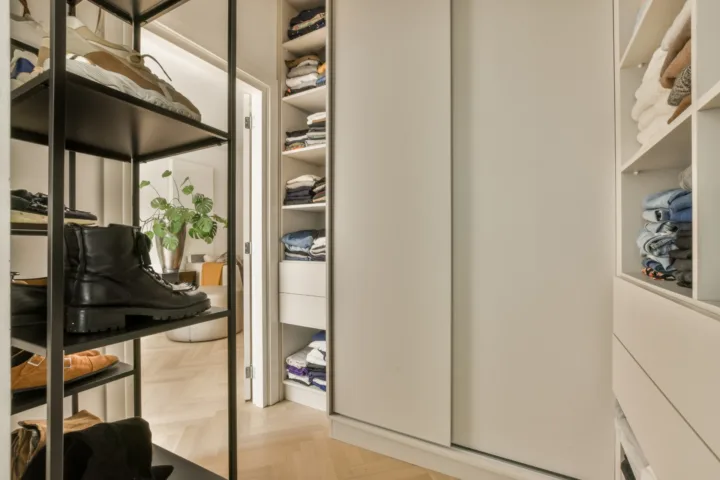
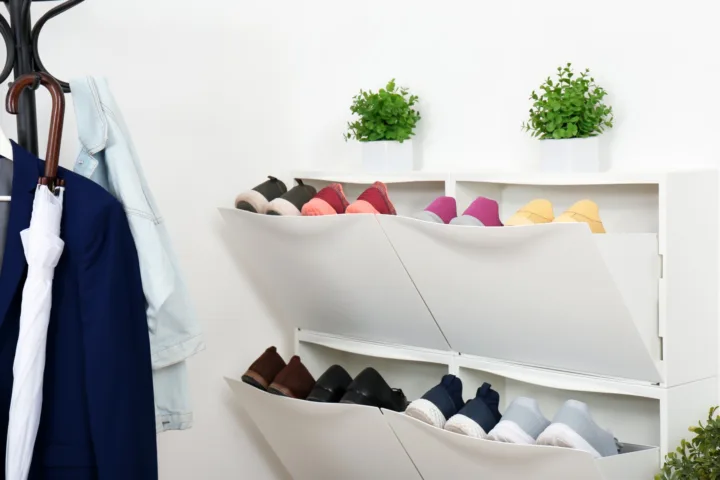
Shoes create the messiest piles in any entryway closet. I learned this the hard way after stepping on a wet boot one too many times. My fix: a simple shoe rack or cubby system on the floor.
Place everyday pairs at the front. Seasonal or less-used shoes go higher or in a separate bin. I tried an over-the-door shoe organizer once and it worked for flats, but boots needed a tray with a lip to catch mud and snow.
For families I recommend assigning one shelf or cubby per person. My kids now know exactly where their sneakers live. No more scavenger hunts before school.
Install Hooks for Quick-Grab Items
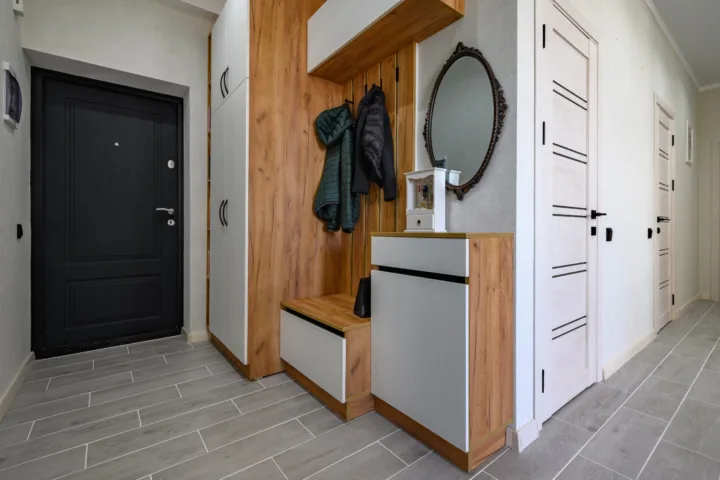
Hooks turned into my secret weapon. I mounted a few on the side wall and a couple lower for the kids. Coats that get used daily hang there instead of fighting for rod space.
I also added hooks on the back of the door for bags, leashes, and umbrellas. One dedicated hook per person prevents the pile-on problem. The last person home no longer buries everyone else’s coat.
Honestly? Hooks feel almost too simple. Yet they solve more daily friction than any fancy system I tried.
Use Over-the-Door Organizers for Accessories
Scarves, gloves, and hats used to live in a tangled heap on the top shelf. I switched to a clear over-the-door pocket organizer. Now I see every pair of mittens at a glance.
Some people prefer fabric hanging organizers that slip over the rod. I tested both. The door version won for me because it frees the rod for actual coats. Label each pocket if you share the space. It keeps arguments to a minimum.
Maximize Vertical Space With Extra Shelves
Most coat closets waste the upper third. I added one extra shelf above the existing one. That spot now holds bins of off-season gear and rarely used items.
Keep the highest shelf for things you reach only a few times a year. A small step stool lives nearby so I never climb or stretch awkwardly. Vertical storage multiplies capacity without widening the footprint.
Choose Slim, Sturdy Hangers
Bulky plastic hangers steal space. I replaced every one with slim velvet hangers for lighter jackets and wooden ones for heavy winter coats. Matching hangers also make the rod look calmer.
I leave 15 to 20 percent of the rod empty on purpose. Guests need somewhere to hang their coats. That open space also lets air circulate so everything stays fresher.
Create Zones by Person or Category
I divided the rod into sections. One side for adult coats. Another for kids. Within each section I hang by length: long coats against the wall, shorter ones toward the middle.
Some families color-code with tags or divider labels. I tried that for a season. It worked well until we got lazy about putting things back. Now I keep it simple: adult side, kid side, guest space in the middle.
Store Accessories in Labeled Bins
Baskets look pretty. Clear or labeled bins work better. I use open-front bins on the shelves so I can pull them out without lifting. Front labels beat top labels every time. You can actually read them while standing.
One bin holds current-season gloves and scarves. Another holds the next season’s set. When the weather shifts I swap the bins. Done in under two minutes.
Rotate Seasonal Items Ruthlessly
Winter coats dominate half the year. The rest of the time they just take space. I vacuum-seal the heaviest ones and store them in under-bed bins or a higher closet. Before sealing I always wash them.
In spring the light jackets move forward. In fall the process reverses. This single habit keeps the entryway closet from feeling overstuffed year-round.
Add a Boot Tray or Low Shelf for Wet Gear
Mud and snow wreck floors. A plastic boot tray sits under the shoe rack in my closet. Wet boots land there first. Everything else stays dry.
If you have room, a low shelf with a lip works even better. I once used a metal rack that rusted. Stick with plastic or coated options.
Mount a Mirror Inside the Door
This one feels optional until you try it. A full-length or half-length mirror on the inside of the door lets me check my outfit before I leave. No more racing to the bathroom mirror with one shoe on.
It also makes the closet feel bigger. Bonus points if the mirror has a small shelf for keys or lip balm.
Use Stackable Drawers for Small Items
Modular drawers on the floor or a low shelf hold sunglasses, spare masks, dog waste bags, and other tiny essentials. I prefer ones with clear fronts so nothing disappears.
Stack two or three high if height allows. Keep the top drawer for the things you grab every single day.
Hang a Catch-All Tray at Eye Level
Keys. Transit cards. Sunglasses. These items used to vanish into coat pockets. Now a shallow open tray sits on a mid-height shelf. Everything lands there the second I walk in.
Drawers hide things too well. An open tray stays visible and therefore usable.
Dedicate Space for Guest Coats
I leave a clear section of the rod and two empty hooks for visitors. Nothing kills the host vibe faster than asking guests to pile coats on a chair. A little intentional empty space makes the whole system friendlier.
Incorporate a Small Bench If Space Allows
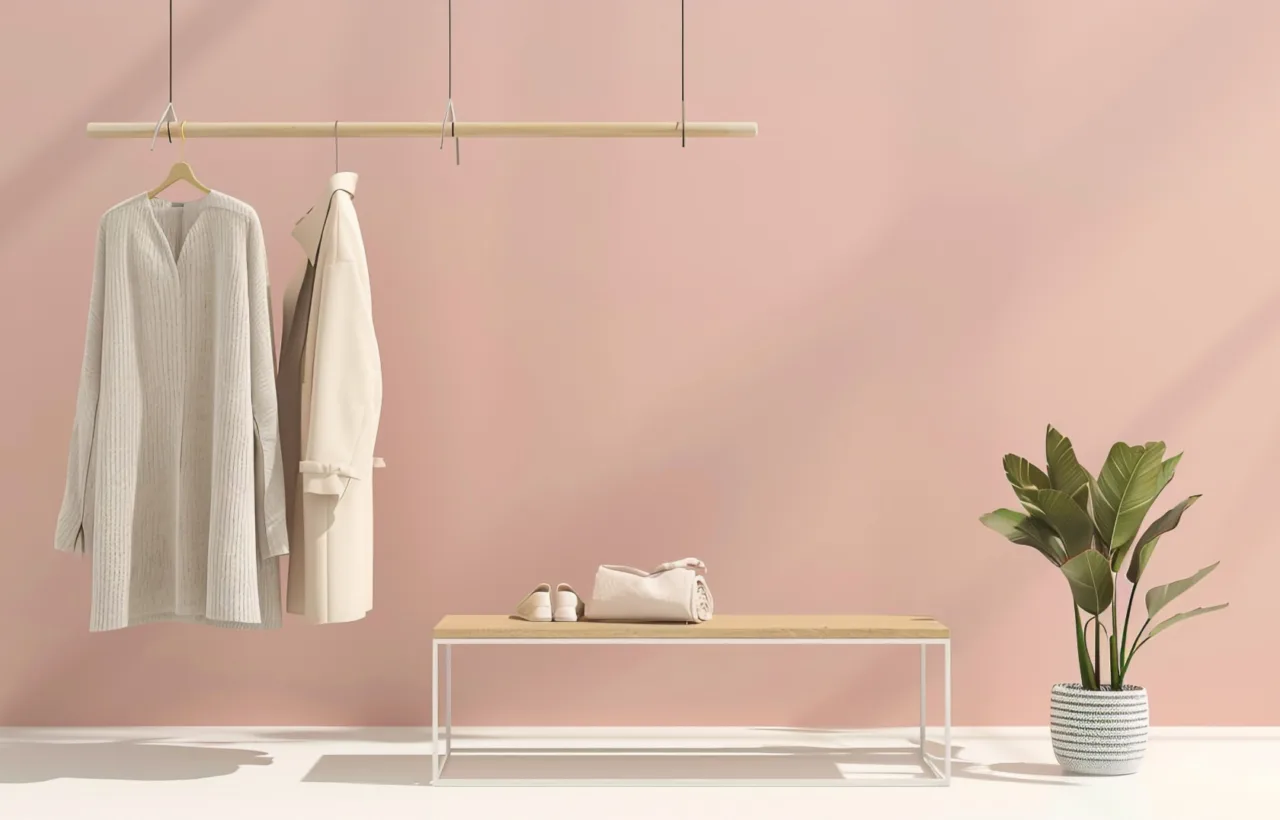
Some entryway closets have just enough depth for a narrow bench. Mine does not. Friends who have the room swear by it. You sit to put on shoes. Storage lives underneath. The closet suddenly feels like a mini mudroom.
If a full bench will not fit, a fold-down seat or even a sturdy stool works as a temporary fix.
Label Everything That Can Be Labeled
I used to resist labels. They felt fussy. Then I watched my family put things in the wrong spots for the tenth time. Simple adhesive labels on bins and shelf edges fixed the problem.
Kids especially respond to pictures plus words. Adult bins get text only. Consistency matters more than fancy fonts.
Keep a Mini Cleaning Kit Nearby
A small handheld vacuum and a pack of wipes live on the top shelf. Once a week I give the floor and shoe area a quick clean. Dirt stays contained instead of tracking through the house.
This habit takes three minutes and saves me from deeper cleans later.
Consider Double-Hang Rods for Shorter Jackets
If most of your coats are not floor-length, install a second rod halfway down. I did this on one side of my closet. Capacity nearly doubled for lighter jackets and hoodies.
Keep one section full-length for the few long coats you own. Split systems give the best of both worlds.
Review and Adjust Every Season
My system is not set-it-and-forget-it. At the start of each season I pull everything out again for a quick audit. Anything unused moves out. New needs get space. The closet stays relevant to how we actually live.
Honestly? That quarterly check-in is the real reason the organization lasts.
Frequently Asked Questions
How do I organize a tiny entryway coat closet with limited depth? Focus on vertical space and the back of the door. Slim hangers, over-the-door organizers, and wall hooks free the floor and rod without needing extra depth. I squeezed a full system into a 24-inch-deep closet using exactly these tools.
What are the best 19 coat closet organization ideas entryway setups for families with kids? Assign hooks and cubbies by person, keep kid items at their height, and use clear bins they can see into. My kids maintain the system better when everything has an obvious home they can reach themselves.
Should I store off-season coats in the entryway closet? Only if you have leftover space after daily items find homes. I move heavy winter coats out once spring arrives and bring them back in fall. Vacuum bags keep them compact and protected.
Do matching hangers really make a difference? Yes. They create visual calm and prevent coats from slipping or bunching. I switched once and never went back to the random plastic mix I used for years.
How often should I reorganize the coat closet? A full reset each season works for me. Quick weekly tidy-ups keep dirt and clutter from building between those bigger sessions.
I still open my coat closet some mornings and feel a quiet satisfaction. Everything has a place. The daily scramble disappeared. Start with the clean-out. Add the hooks and bins that fit your actual life. Adjust as the seasons change. Your entryway will thank you every single time you walk out the door.