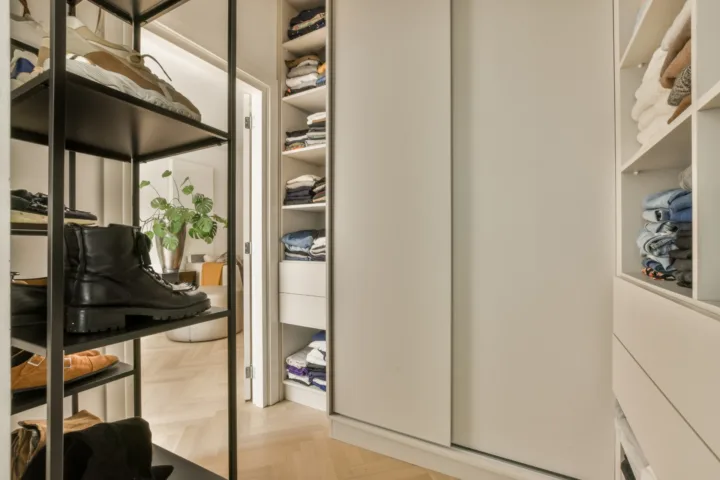
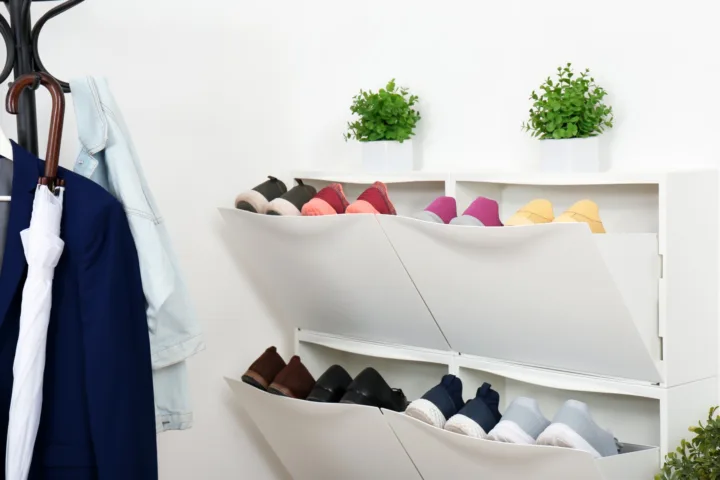
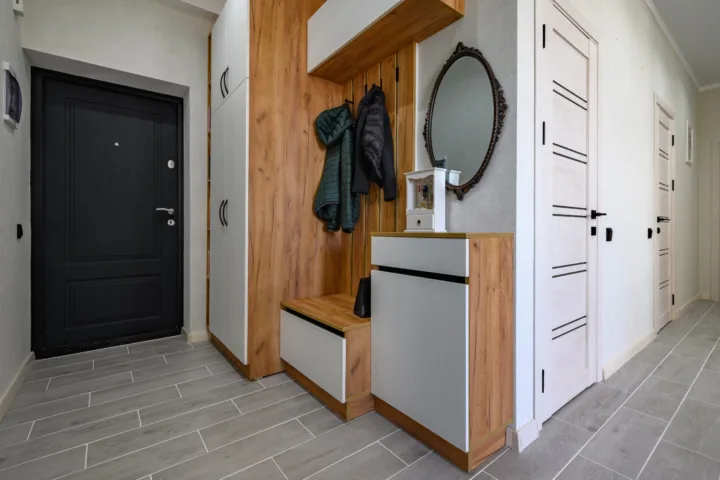
I used to open my closet door and feel instant defeat. Clothes slumped in uneven piles. Shoes hid behind bags. Sweaters toppled the second I touched one. I spent years ignoring it until the mess started eating into my mornings. That is when I went looking for real solutions and landed on these 19 closet shelf organization ideas. They are the ones that stuck after plenty of trial and error in my own space.
Honestly? I almost gave up twice. The third attempt is what worked because I stopped chasing perfection and started testing what actually fit my habits.
See, most advice online feels like it belongs in a magazine spread. Mine comes from living with the results day after day. I will walk you through every idea that earned a permanent spot in my closet. You can pick the ones that match your setup and skip the rest.
Why Shelf Organization Matters More Than You Think
I used to believe hanging everything was the only way. Then I realized shelves hold more than I ever expected if I treat them right. Folded stacks stay visible. Bins keep categories from mixing. Vertical space stops going to waste.
The biggest shift for me came when I treated each shelf like its own little zone. No more dumping and hoping. Everything earned its place. That single mindset change cut my morning search time in half.
My Top 19 Closet Shelf Organization Ideas
I tested dozens of tricks. These nineteen delivered the clearest wins. I group them loosely so you can jump to what you need most.
1. Clip-On Shelf Dividers for Stack Control
I bought a set of tall metal dividers after watching yet another sweater pile collapse. They slide onto the shelf edge and create clean vertical walls. Folded jeans stay upright. Scarves stop sliding into the next category. FYI, the coated steel ones hold better than plastic.
I keep three on my main sweater shelf. The difference is immediate. Nothing leans. Nothing tips. I can pull one stack without disturbing the rest.
2. Clear Stackable Bins as Makeshift Drawers
Deep shelves used to bury things at the back. I started using clear open-front bins that stack. Each one becomes a pull-out drawer. I label the front edge so I see the contents without digging.
This works especially well for tees and workout clothes. I grab the bin, set it on the floor, and put it back when I finish. No more black-hole syndrome.
3. Shelf Risers to Double Vertical Space
I ignored the empty air above my folded stacks for years. Then I added simple wire risers. Now I have two levels on the same shelf. Shoes go underneath. Bags sit on top. Or reverse it for folded items.
The risers cost almost nothing and install in seconds. I use them on three shelves now. Space feels twice as big without any construction.
4. Front-to-Back Zones on Deep Shelves
Deep closets waste the back half. I fixed that by creating three zones. Daily items sit at the front. Occasional pieces go in the middle. Seasonal stuff lives at the back.
I mark the zones with small labels on the shelf edge. When I need a winter scarf in July I know exactly where to reach. No more full shelf dumps.
5. Matching Fabric Bins with Bold Labels
I tried random baskets first. They looked chaotic. Switching to matching fabric bins in the same color calmed everything. I add large printed labels on the front so I never have to open them to remember what is inside.
These bins live on my top shelf. Hats, gloves, and off-season accessories stay contained and visible from the doorway.
6. Bookends for Handbags and Clutches
Handbags used to flop over and crease. I started treating them like books. A pair of heavy bookends keeps them standing in a neat row by size. Small clutches go in front. Larger totes stand at the back.
This simple trick keeps the shapes intact and makes choosing a bag faster. I stole the idea from my own bookshelf and never looked back.
7. Adjustable Height Shelving Where Possible
Fixed shelves lock you into one layout. I replaced one section with an adjustable system. Now I raise or lower boards depending on what I store that season. Tall boots get more room in winter. Short stacks of tees take over in summer.
The flexibility pays off every time the weather changes. I no longer force items into spaces that do not fit them.
8. Vertical Dividers for Folded Categories
I group by type first: jeans, sweaters, tees, then add vertical dividers between groups. The dividers keep the piles from bleeding into each other. When I need jeans I pull only that section.
This is pure category discipline. It sounds basic but it stops the slow chaos that used to build every week.
9. Under-Shelf Baskets for Small Items
The space under a shelf is usually dead air. I hung shallow under-shelf baskets that slide in without tools. Socks, underwear, and rolled belts live there now. They stay out of the way yet still easy to reach.
I use two of these under my main clothing shelf. They freed up an entire bin that used to sit on top.
10. Color-Coded Folding for Faster Grabs
I fold everything the same way and then arrange by color within each category. Dark to light left to right. When I want a black tee I look only at the dark end of the stack.
This took a weekend to set up. It saves me minutes every single morning. IMO the visual order is worth the initial effort.
11. Floating Wall Shelves for Overflow
My closet is not huge. I added two floating shelves on the wall just outside the door for bags and seasonal hats. They look intentional and keep the main closet lighter.
I painted them the same color as the wall so they disappear. The extra surface area changed how much I could keep inside without crowding.
12. Wire Shelf Liners for Stability
Wire shelves let small items fall through. I lined mine with thin plastic liners that snap in place. Folded clothes sit flat. Nothing slips between the gaps.
The liners are cheap and removable. I clean them every few months and the shelves look new again.
13. Pull-Out Bins for the Very Back
For the deepest shelf I use wide bins with handles. I slide them out like drawers when I need something from the back. Seasonal blankets and extra bedding live there now.
This one change ended the weekly excavation sessions. Everything stays reachable even on a 20-inch deep shelf.
14. Seasonal Shelf Rotation Schedule
I keep a simple calendar note. Every three months I swap the contents of two shelves. Winter layers move up. Summer pieces move down or into bins. The rotation keeps the most-used items at eye level.
It takes twenty minutes. The payoff is a closet that always feels current.
15. Cube Organizers for Cubbies
I added a freestanding cube unit on one side of the closet. Each cube holds one category: scarves in one, belts in another, small purses in a third. The open fronts make everything visible.
This modular approach works if your closet has awkward leftover floor space. I move the cubes around when I reorganize.
16. Labeled Edge Tape for Zones
I use washi tape or simple vinyl labels along the front edge of each shelf. They mark the start of each zone without taking up space. Guests and family members can put things back correctly without asking me.
The labels peel off cleanly when I change the system. Low commitment, high clarity.
17. Stacked Shoe Shelves with Risers
Shoes used to pile on the floor. I built two levels using risers and short shelves. Heels go on the top level. Flats and sneakers live below. Everything stays off the ground and visible.
I can see every pair at a glance. No more digging under a mountain of footwear.
18. Clear Acrylic Shelf Dividers for Accessories
For small accessories I prefer clear acrylic dividers. They create neat compartments for sunglasses, watches, and jewelry trays. The transparency means I never forget what is inside each section.
These dividers look cleaner than metal on open shelves. I keep a set on the shelf closest to the door for daily grab-and-go items.
19. Leave Breathing Room on Purpose
The last idea is the one I resisted longest. I leave 20 percent of every shelf empty. No more stuffing until the edges bulge. The empty space keeps the whole system from collapsing under its own weight.
It feels wasteful at first. Then you realize the empty inches protect the organization you just built. Everything stays easier to maintain.
How I Actually Maintain These Ideas
I spend ten minutes every Sunday night resetting the shelves that drifted during the week. I put stray items back in their zones. I refold anything that slumped. That tiny habit keeps the whole system alive.
I also refuse to buy anything new unless something leaves first. The one-in-one-out rule protects the empty space I fought to create.
Frequently Asked Questions
What is the fastest way to start using these 19 closet shelf organization ideas? Pull everything off the shelves first. Wipe them down. Then add only the dividers, risers, and bins you already own or can grab quickly. Build from there instead of waiting for a perfect shopping trip.
Do shelf dividers work on wire shelves? Yes. Look for the clip-on style that grips the wire edges. I use them on both wire and solid shelves in different closets and they hold fine.
How often should I reorganize the shelves? I do a full reset every season and a light tidy every week. The seasonal swap keeps the system matching what I actually wear.
Can these ideas work in a tiny closet? They work better in a tiny closet. Vertical space and clear zones matter more when square footage is limited. I started in a reach-in that felt impossible and still made progress.
Are clear bins better than fabric ones? I use both. Clear bins win when I need to see contents fast. Fabric bins win when I want a calmer look on upper shelves. Mix them according to the shelf height and how often you reach for the items.
Final Thoughts From My Own Closet Floor
I spent years believing a messy closet was just part of life. These 19 closet shelf organization ideas proved me wrong. The system is not fancy. It is simply consistent. Dividers stop the collapse. Zones stop the searching. Empty space stops the overwhelm.
Start with one shelf this weekend. Add the dividers. Create the front zone. Leave a little breathing room. You will feel the difference the next morning when you open the door and everything is still standing where you left it.
That quiet win is what keeps me going. Your turn.