I spent years fighting my U-shaped walk-in closet like it was a personal enemy. Clothes piled in corners. Shoes vanished. Morning routines turned into scavenger hunts. After testing every trick I could find, I landed on these 18 u shaped closet organization ideas that actually stuck. They turned the space from a daily frustration into something that works for me without constant maintenance.
Honestly? The corners nearly broke me. See, a U-shape gives you three walls of potential. That feels like a gift until you realize the dead zones eat everything. I started by clearing the whole thing out one weekend. Then I rebuilt it piece by piece with rules that matched how I actually live.
Why a U-Shaped Layout Demands Its Own Rules
Most closet advice assumes a straight wall or a simple L. A U-shape is different. You get more linear footage, but the center aisle and those two corners change everything. I learned the hard way that treating it like a regular closet just multiplies the mess.
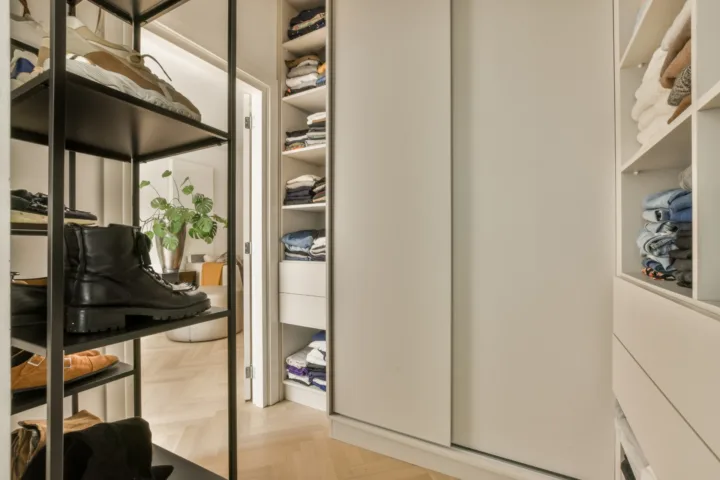
My first real breakthrough came when I stopped trying to force equal space on every wall. One side holds the bulk of my hanging clothes. The back wall handles drawers and daily picks. The other side takes shoes and overflow. That simple decision cut my morning search time in half.
You need at least a 30-inch clear aisle if you want to open drawers without doing a weird side-step. I measured mine three times before I believed the tape. Anything narrower and the whole system feels cramped no matter how pretty it looks.
My Top 18 U Shaped Closet Organization Ideas
Here is the exact system I use now. I numbered them so you can steal what fits and skip the rest.
1. Start With Brutal Category Zones
I stopped dividing by person or color first. I divide by function. Everyday tops live on the left side. Work pants and jeans sit on the lower rod. Dresses and coats claim the long hang on the back wall. Accessories get their own vertical strip. This keeps the most-used items closest to the door.
2. Install Double Rods on Both Side Walls
Single rods waste vertical space. I put a top rod at about 80 inches and a lower one at 40 to 42 inches on both long walls. Shirts and blouses go up top. Pants and skirts go below. The double setup nearly doubled my hanging capacity without adding a single extra foot of wall.
3. Keep One Long Single Rod for Tall Items
Dresses and coats need room. I reserved a full-height section on the back wall for them. No lower rod underneath. That one decision stopped the constant wrinkling I used to fight.
4. Use the Butt-Up Method for Corners
Corners used to swallow sweaters. I run one shelf all the way into the corner and butt the next shelf flush against it. No fancy angled unit. Just square, continuous storage. Clothes stay visible and reachable. FYI, this works better than most rotating gadgets I tried.
5. Add Adjustable Shelving Everywhere Possible
Fixed shelves lock you into last year’s wardrobe. I installed tracks so I can move shelves up or down as needed. Right now the gaps sit between 10 and 14 inches. That spacing holds folded sweaters without crushing them and still leaves room for bins on top.
6. Build a Drawer Tower on the Back Wall
Drawers belong in the bottom of the U. I put a five-drawer tower right in the center of the back wall. Socks, underwear, and tees live there at waist height. No more digging through a dresser across the room.
7. Line Every Drawer With Dividers
Open drawers turn into black holes. I added spring-loaded dividers that adjust to the width. Each section holds one category. Socks stay paired. Undies stay stacked. The whole drawer stays useful instead of becoming a junk pit.
8. Create a Dedicated Shoe Display Wall
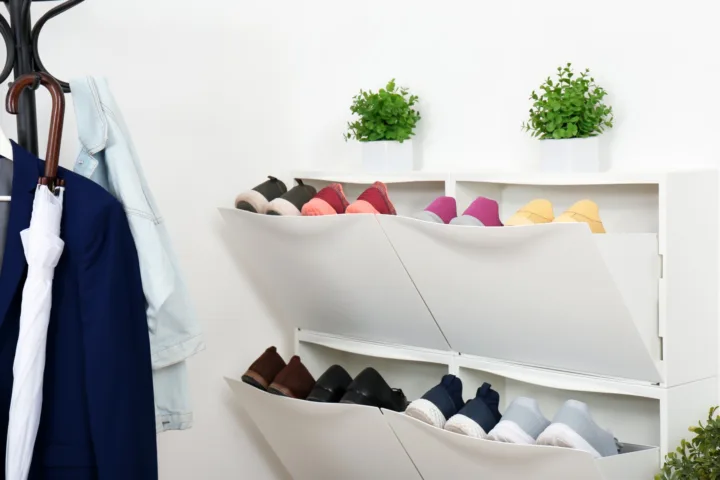
One side wall became my shoe wall. I mounted angled shelves that face the shoes outward. Heels and sneakers sit in clear view. No more boxes stacked on the floor. I can grab what I need without kneeling.
9. Mount a Valet Rod Near the Entrance
I installed a short pull-out rod right by the door. Tomorrow’s outfit hangs there the night before. It takes thirty seconds and removes the morning scramble. Honestly, this small addition changed my entire routine more than any expensive system.
10. Add Pull-Out Racks for Belts and Ties
Side panels next to the drawers hold slim pull-out racks. Belts hang flat. Ties stay unwrinkled. I used to lose both in the back of a drawer. Now they live in plain sight and take almost no space.
11. Use Uniform Hangers and Spacing Helpers
Mixed hangers create visual chaos and waste space. I switched everything to slim velvet hangers in one color. Then I added simple spacing tape on the rods so nothing slides together. The closet looks calmer and I can actually see every piece.
12. Maximize the Top Shelf for Seasonal Storage
The highest shelves hold bins labeled by season. Winter coats live up there from April to October. Summer linens take their place in the colder months. I keep a small step stool nearby so the height never becomes an excuse.
13. Install Under-Shelf LED Lighting
Dark corners hide everything. I stuck battery-powered LED strips under the main shelves. Warm white light makes colors true and turns outfit selection into something I actually enjoy. No hardwiring required.
14. Place a Full-Length Mirror on the Back Wall
The mirror sits opposite the entrance. It reflects light and gives me a full view while I dress. Bonus: it makes the whole U feel wider. I hung it at the exact height that lets me check shoes without leaning.
15. Keep a Clear Center Floor for Dressing
I refused to put an island in my space. The open middle lets me step back and see the full outfit. A small bench lives against one wall only when I need it. The rest of the time the floor stays empty so movement stays easy.
16. Add Hooks for Bags and Everyday Accessories
Command hooks or wall-mounted pegs near the door catch purses, hats, and scarves. These are the items I grab last. Giving them a dedicated landing spot stops the pile-up on the floor.
17. Zone by Frequency, Not Just Type
I keep the clothes I wear three or more times a week between 40 and 60 inches from the floor. Everything else moves higher or lower. This single rule means I almost never reach for the top shelf on a weekday morning.
18. Leave Breathing Room Between Sections
I used to pack every inch. Now I leave small gaps between hanging groups and shelf stacks. The visual rest makes the whole closet feel larger and keeps me from overfilling. Empty space is a feature, not a failure.
How I Keep the System Alive Month After Month
Organization dies the second you stop maintaining it. I do a five-minute reset every Sunday night. Anything that drifted out of its zone goes back. Seasonal swaps happen twice a year on the same weekend I change the clocks.
IMO, the real test is whether the system survives a busy week. Mine does because every item has one clear home. When something new comes in, something old leaves. That trade-off keeps the volume steady.
I also photograph the closet once a season. Looking at the pictures later shows me which zones are starting to overflow before they become a problem.
Frequently Asked Questions
What size do I need for a working U-shaped closet? You want at least 7 feet by 7 feet with a 30-inch center aisle. Smaller than that and the three-wall layout starts to feel like a hallway instead of a closet.
How do I stop clothes from disappearing in the corners of a U-shaped closet? Use the butt-up shelf method or a simple rotating carousel. Both keep the space square and reachable so nothing hides for months.
Which of these 18 u shaped closet organization ideas works best on a tight budget? Start with double rods, uniform hangers, and drawer dividers. Those three changes deliver the biggest daily impact without custom cabinetry.
Should I divide a shared U-shaped closet by person or by category? I divide by category. All shirts live together regardless of who owns them. The volume of each type dictates the space, not an artificial 50/50 split.
How often should I reorganize the whole system? A full reset once a year is enough if you do the weekly five-minute tidy. Seasonal swaps twice a year keep the active clothes current.
These 18 ideas turned my U-shaped closet from a source of stress into a space I actually like walking into. The system is not perfect. Some weeks the shoes still migrate. But the foundation holds, and that is enough. Pick three or four that match your biggest pain points and start there. The rest can wait until the first ones prove themselves.