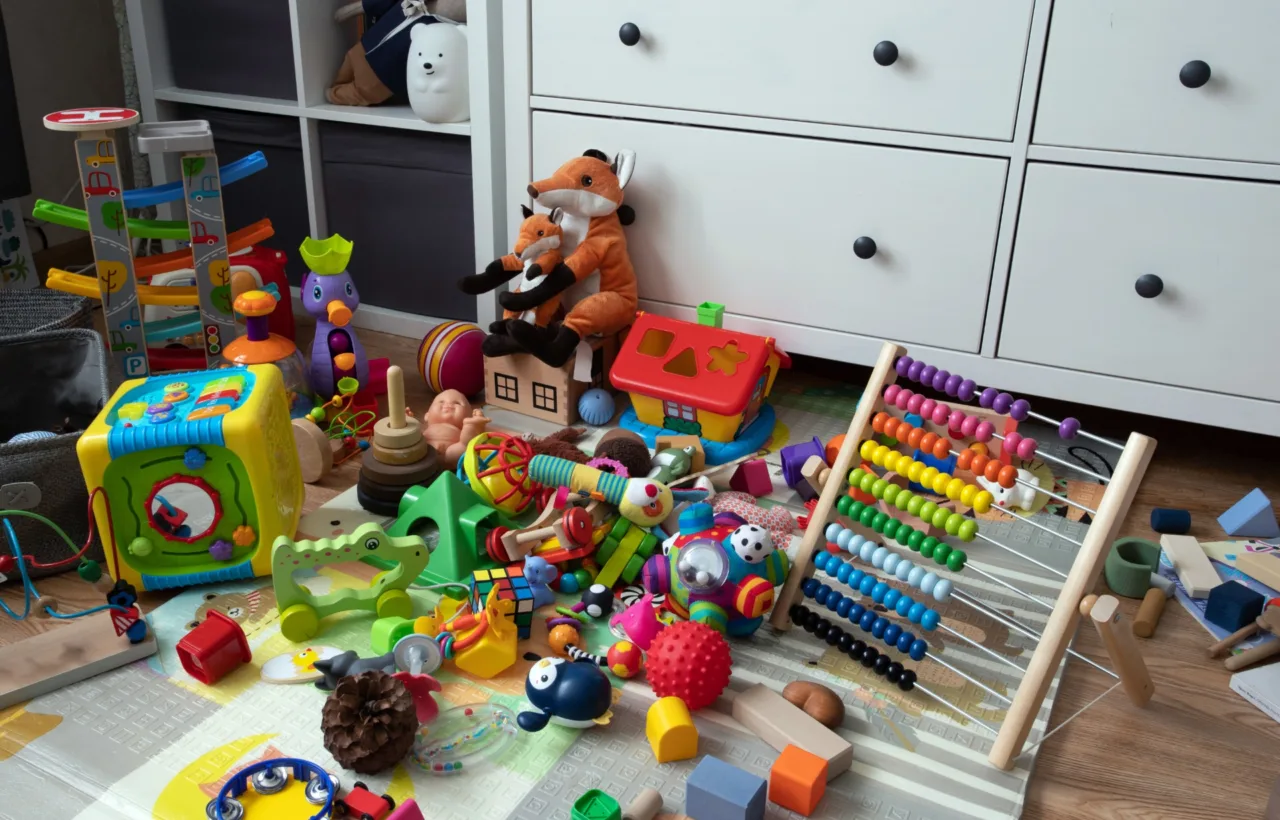

I spent years tripping over plastic dinosaurs and half-built LEGO sets that spilled out of my kids’ closet every single morning. The door barely closed. Toys lived in a permanent state of avalanche. After testing what felt like every storage hack on the planet, I landed on these 18 toy closet organization ideas that actually stuck and gave me my floor back.
Honestly? The third time I nearly quit. I had bins that toppled, labels that peeled, and a system my kids ignored within a week. See, I kept chasing perfect Instagram closets instead of something that worked for real life with real kids who dump everything on the floor. That approach failed me. What worked was simple, reachable, and built around how my family actually plays.
Here’s exactly what I did.
Clear the Chaos First
I pulled every toy out. Every. Single. One. The pile on the living room rug looked like a small landfill. I sorted into four piles right there on the floor: keep for daily play, rotate later, donate, and trash.
Keep only what gets used weekly. Broken pieces and forgotten duplicates went straight into the donate bag. My kids helped with the “keep” pile and that made them feel ownership. FYI, this step alone cut the volume by almost half. Without it, no organizer on earth can save you.
Vertical Space Wins Every Time
Closets waste the top third of their height. I stopped ignoring that space.
Install Adjustable Shelves
I swapped the single high rod and shelf for an adjustable track system. Shelves now sit at different heights. Short ones hold puzzles. Taller ones swallow big bins of trucks. Kids reach the lower shelves on their own. I reach the top ones for seasonal rotation. This single change gave me three extra levels of storage.
Use the Door
An over-the-door shoe organizer became my secret weapon. Each pocket holds small toys, action figures, or doll clothes. I hang it on the inside of the door so it disappears when closed. My youngest pulls out exactly what she wants without dumping an entire bin.
Hang What You Can
I added a second lower rod for dress-up clothes and costumes. They stay unwrinkled and easy to grab. A hanging fabric organizer with cubbies holds board games sideways. No more crushed boxes at the bottom of a stack.
Smart Containers Make or Break the System
Containers set the boundaries. If a bin overflows, I know it is time to edit again.
Clear Plastic Bins
I filled clear bins with one category each. LEGO bricks in one. Magnetic tiles in another. Doll accessories in a third. Kids see the contents without opening every lid. Stacking them on the deeper shelves works because the clear walls stop the “lost in the back” problem.
Fabric Cubes and Baskets
For larger toys that do not need to stay visible, I use fabric cube bins that slide into open cubby shelves. Soft sides mean no sharp corners when kids crash into them. Handles let little hands carry the whole bin to the play area and bring it back.
Low Open Bins on the Floor
I leave the bottom 18 inches clear for big rolling bins or open baskets. Stuffed animals and oversized vehicles live here. Kids dump and refill without climbing. These bins become the “catch-all” during cleanup time.
Label Like You Mean It
Labels turned my system from temporary to permanent.
Picture Plus Word Labels
I print simple pictures with the word underneath. Cars get a car photo. Blocks get a block photo. Non-readers put toys away correctly. Readers practice their words at the same time. I laminate them so they survive sticky fingers.
Color-Coded Zones
Blue bins hold vehicles. Red bins hold building toys. Green bins hold pretend play. My kids now match colors without thinking. Cleanup became a game instead of a fight.
Category Zones Keep Things Findable
I stopped mixing everything. Each type of toy earned its own home.
Building Sets
LEGO and Magna-Tiles live in separate clear bins on a middle shelf. I sorted the LEGO further into “bricks,” “people,” and “wheels.” Broad groups beat perfection. Kids actually rebuild sets instead of starting from zero every time.
Vehicles
Hot Wheels and trucks fill two deep bins on a low shelf. I added a small rolling cart that parks inside the closet. Kids pull the whole cart out, play, and roll it back.
Pretend Play and Dress-Up
Dolls and kitchen food share a tall bin. Costumes hang on the lower rod. Accessories go in the over-the-door pockets. Everything stays visible and ready for the next tea party.
Games and Puzzles
Board games stand vertically in a hanging organizer. Puzzles sit in a dedicated rack that holds the pieces inside the box. No more missing edge pieces under the couch.
Stuffed Animals
I hung a soft mesh hammock high in the corner for the overflow. Daily favorites stay in a low open basket. The rest rest out of the way until rotation day.
Rotation Keeps Interest High
I keep only eight to ten toys out at a time. The rest stay in closed bins on the top shelf. Every two weeks I swap a few. The returning toys feel brand new. My kids play longer with less mess on the floor. Honestly? This one habit reduced daily cleanup time by half.
Make It Kid-Friendly From the Start
I placed everything they use daily at their eye level or lower. Top shelves hold rotation bins and rarely used items. Kids put things away because they can reach the right spot. I stopped doing the work for them.
Pegboard for Odd Shapes
A small pegboard on one side wall holds Nerf guns, jump ropes, and tools. Hooks keep long items from taking over shelf space. Kids hang them up themselves.
Rolling Cart for Arts and Crafts
A slim rolling cart parks at the side of the closet. Markers, paper, and scissors live there. Kids roll it to the table and roll it back. No more scattered supplies.
Maintenance That Actually Sticks
I built two simple rules. First, the two-bin rule in the play area: one bin for “playing now” and one for “put away later.” Second, one-in-one-out. New toy arrives, an old one leaves for donation. These rules keep the closet from filling up again.
See, systems fail when they demand perfection. Mine demands consistency and nothing more.
Extra Touches That Help Daily Life
I added soft LED strip lights under the top shelf. The closet no longer feels like a dark cave. Kids see what they need without turning on the overhead light. I also left 20 percent of the space empty on purpose. Breathing room stops the overflow problem before it starts.
Frequently Asked Questions
How do I start with 18 toy closet organization ideas if my closet is tiny? Measure the depth and height first. Focus on vertical shelves, an over-the-door organizer, and clear bins that fit the exact width. Even a narrow closet gains usable space when you stop stacking everything on the floor.
Do kids actually put toys away with these systems? Yes, when the system matches their height and uses pictures. My kids put toys back because the right bin is easy to reach and easy to recognize. They still need reminders, but the fight is gone.
What if I have too many toys for any of these 18 toy closet organization ideas? Edit harder. Keep only what gets weekly play. Rotate the rest or donate. No organizer fixes volume that exceeds the space.
Should I buy expensive custom systems? No. Adjustable tracks, clear bins, and fabric cubes from big-box stores worked for me. Spend on what fits your exact measurements instead of a fancy brand name.
How often should I reorganize the toy closet? I check the bins every month and do a full swap of the rotation toys every two weeks. A deeper edit happens twice a year when seasons change or birthdays flood the house with new items.
I still open that closet door some mornings and smile. The floor stays clear. My kids find what they want without a thirty-minute search. Cleanup takes minutes instead of an hour of negotiation. These ideas gave me back evenings that used to disappear under plastic pieces.
Start with the declutter. Add the shelves and bins that match how your kids play. Label everything. Rotate often. The closet will stop fighting you and start working for the whole family.