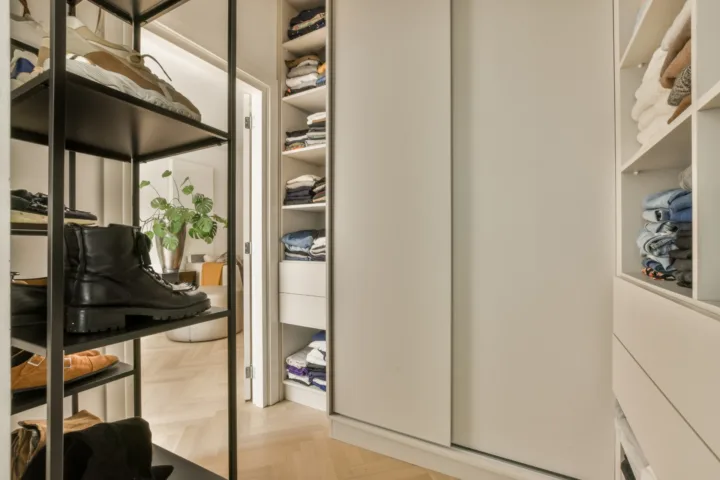
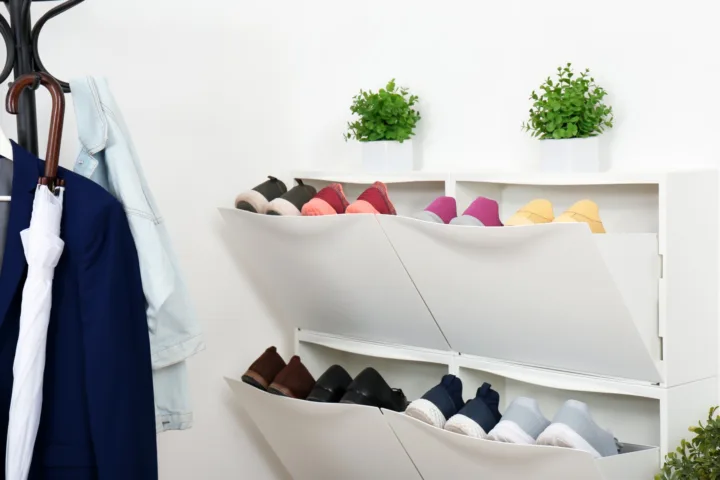
I spent years treating the back of my closet door like dead space. It just sat there. Empty. Collecting dust while my shoes piled up on the floor and scarves vanished into drawers. Then I started looking at that door differently. Suddenly I had room for things I never thought I could store. These 18 closet door organization ideas came from my own trial and error in a tiny apartment closet that felt impossible to tame.
Honestly? The first few attempts looked messy. I overdid it. But once I dialed in what actually stuck, everything got easier. You can do the same without spending a fortune or tearing out your existing setup.
Why the Closet Door Became My Secret Weapon
Most people focus on shelves and rods. I did too. That left the door completely unused. See, a standard closet door gives you nearly six feet of vertical space that just hangs there. I decided to claim it.
I started small. One over-the-door organizer. Then another. Before long I had a system that held shoes, accessories, and even some seasonal gear. The best part? Nothing required permanent changes. Most of these ideas hang or stick on, so I can move them when I want.
Here’s what worked for me, broken down into the approaches that actually lasted.
Over-the-Door Pocket Organizers That Do More Than Shoes
I used to think these were only for footwear. Wrong. The clear mesh ones became my go-to for almost everything small.
1. Classic mesh shoe organizer for flats and sneakers I hung a 24-pocket version on the inside of the door. Each pocket holds one pair of flats or a single sneaker. I can see every option at a glance. No more digging through a pile on the floor. The bottom pockets take the heavier pairs so the whole thing stays balanced.
2. Repurposed shoe organizer for rolled clothes and accessories Same style of organizer, different job. I rolled up tank tops, leggings, and light scarves into the pockets. Belts and thin clutches fit too. It keeps soft items from sliding around and frees up drawer space.
3. Seasonal gear pockets In winter I swap the contents for beanies, gloves, and hand warmers. Come summer those same pockets hold sunscreen, sunglasses, and thin cover-ups. One organizer serves two seasons without me buying anything new.
4. Beauty and toiletry storage on a linen closet door I moved a smaller pocket organizer to the back of my linen closet door. Travel-size products, extra razors, and nail tools live there now. Everything stays visible and off the shelves where towels belong.
Hooks and Racks for Quick Grabs
Pockets are great for small stuff. Hooks handle the things I reach for every day.
5. Simple over-the-door hook rack for bags and hats I installed a low-profile steel rack with five hooks. It holds my everyday tote, a couple of baseball caps, and a light jacket. The design sits close to the door so it doesn’t bang when I open and close it. I keep this one on the outside of the door for easy access.
6. Tiered towel-style rack for scarves and ties Three horizontal bars turned into scarf storage. I drape each scarf over a bar so I can see the colors. The deep hooks at the bottom hold a few belts or necklaces. This one replaced a tangled drawer full of fabric.
7. Multi-level adhesive hooks for belts and jewelry I stuck a few strong adhesive hooks at different heights. Belts hang from the higher ones. Necklaces and bracelets go lower so they don’t tangle. No drilling needed. When I move apartments I just peel them off.
8. S-hooks on a basic rail for purses A short metal rail with S-hooks lets me hang purses by their straps. I group them by size. Everyday bags sit at eye level. Formal ones hang higher. The whole setup takes less than ten minutes to put up.
Specialized Storage That Feels Custom
Some items need their own system. These ideas solved the things that used to frustrate me most.
9. Clear jewelry organizer hung over the door I found a slim hanging unit with rows of pockets and hooks. Earrings go in the small slots. Necklaces hang straight so they stay untangled. I can close the door and the whole collection disappears until I need it.
10. Narrow vertical shoe rack for heels Heels never fit well in mesh pockets. A metal over-the-door rack with angled bars holds them upright. I can fit about a dozen pairs without them tipping. The mesh backing keeps the heels from scratching the door.
11. Hanging basket system for bulkier accessories A few wire baskets clipped to over-the-door hooks hold folded scarves, gloves, and even a couple of light sweaters. I use these for items that are too thick for pockets but too soft for hooks.
12. Ironing board and steamer holder This one surprised me. A slim over-the-door bracket holds my ironing board flat against the door. The steamer hangs next to it. When I need to press something I grab both without hunting through the closet.
DIY and Creative Twists I Tried Myself
Not everything has to come from a store. A few of my favorite solutions started with things I already owned.
13. Pegboard panel mounted on the door I cut a small pegboard to fit the upper half of the door and attached it with heavy-duty Command strips. Hooks and small shelves go wherever I need them. Right now it holds sunglasses, a lint roller, and a couple of small bags. I can rearrange it anytime.
14. Command hooks paired with small baskets I stuck several Command hooks in a vertical line and hung lightweight baskets from them. Socks, underwear, and folded tees live in those baskets now. The system stays flexible because I can move the hooks.
15. Mirror with hidden storage behind it I hung a full-length mirror on the outside of the door. On the back side I added a few adhesive hooks and a small pocket organizer. The mirror makes the room feel bigger while the back side still works hard.
16. Shower caddy turned accessory station I had an old over-the-door shower caddy. I cleaned it up and hung it inside the closet. Bags, ties, and rolled belts fit perfectly in the shelves. It cost me nothing extra and holds more than I expected.
Extra Ideas for Sliding or Bifold Doors
Not every closet has a swinging door. I tested a few options that still work when space is tight.
17. Magnetic or adhesive organizers for sliding doors Sliding doors don’t take traditional hangers well. I used strong magnetic strips and adhesive pockets on the edges and backs where the doors overlap. Small items still have a home without blocking the track.
18. Soft fabric panels with pockets sewn on For bifold doors I made simple fabric panels with pockets and hung them with tension rods or clips. The panels move with the doors and add storage without permanent hardware. IMO this one looks cleaner than most plastic options.
How I Keep the System Working Long-Term
I check the door every few months. Anything I haven’t touched in a season gets moved or donated. I also make sure the total weight stays reasonable. Most over-the-door systems handle 20 to 30 pounds if the hooks sit properly on the door frame.
I rotate seasonal items rather than adding more organizers. One good system beats three half-used ones. And I always leave a little empty space so the door still closes smoothly.
Frequently Asked Questions
What are the best 18 closet door organization ideas for a small closet? The ones that use vertical space without blocking the door swing work best. Mesh pocket organizers, slim hook racks, and adhesive systems give the most storage for the least footprint.
Will over-the-door organizers damage my closet door? Most quality ones hang without screws and use protective padding. I check the contact points every few months and have never had scratches or dents on my doors.
Can I use these ideas on sliding closet doors? Yes, with adjustments. Magnetic strips, adhesive pockets, and fabric panels work better than traditional hangers that need a top edge to hook over.
How much weight can a typical closet door organizer hold? Most reliable models handle 20 to 40 pounds when the hooks sit correctly on the door. I stay well under the limit and distribute heavier items toward the bottom.
Do I need special tools to install these 18 closet door organization ideas? Almost none of them require tools. The majority hang or stick on with adhesive or over-the-door hooks. A few DIY options use basic Command strips or tension rods.
I still remember the morning I opened my closet and actually saw every pair of shoes at once. No digging. No frustration. Just options. That feeling is why I keep refining these systems.
Start with one idea that solves your biggest pain point. Put it up this weekend. Live with it for a week. Then add the next. Before long the door that used to do nothing will carry more than you thought possible. Your closet will feel bigger without you moving a single wall. And you’ll wonder why you waited so long to use that blank space.