
I used to open my closet and feel immediate regret. Clothes piled on the floor. Hangers tangled. Shoes kicking each other for space. Every morning started with a hunt and a sigh. That changed when I tested 17 organization ideas for the closet over several months in my own small reach-in space. I kept the ones that worked and ditched the rest. Here is exactly what stayed.
Honestly? I thought I needed a bigger closet. See, that was the wrong question. The right one was how to make the space I already had stop fighting me.
Start by Facing the Clutter Head-On
I emptied everything. Every single item went onto the bed. It looked worse before it looked better. That pile forced me to decide what stayed and what left. I made three piles: keep, donate, and maybe. The maybe pile got a deadline. Anything still in it after two weeks went out.
One In, One Out became my rule. For every new shirt that came home, an old one left. This single habit stopped the slow creep of excess. I still follow it. The closet stays lighter because I refuse to let it fill past a certain point.
Switch to Matching Slim Hangers
Mismatched hangers waste space and look messy. I replaced every wire, plastic, and wood hanger with slim velvet ones. The difference showed up immediately. Those thin hangers let me fit nearly twice as many shirts on the same rod.
They also keep clothes from sliding off. I no longer find a pile of shirts on the floor after a rough hang. Uniform hangers make the whole rod look intentional. That visual calm matters more than I expected.
Add a Second Hanging Rod
Most closets leave a big empty zone under the main rod. I installed a second rod about halfway down. Shirts and blouses hang on top. Pants and skirts hang below. Vertical space finally worked for me instead of against me.
This change alone doubled my hanging capacity without any renovation. I used a tension rod first to test the height. Once I liked it, I swapped in a more solid option. Measure twice. Hang once.
Why Double Rods Beat Single Rods
A single rod forces long items and short items to share the same height. That leaves wasted air below shorter clothes. Two rods fix that math. Short items get their own level. Long items keep the full drop they need.
Organize by Category First, Then by Color
I grouped everything by type before I touched color. All tops together. All bottoms together. Dresses in their own section. Jackets at the end. Once categories sat in place, I sorted each group by color from light to dark.
Finding a specific blue shirt stopped taking three minutes. My eyes go straight to the blue section. Color order also makes the closet look cleaner at a glance. I still rearrange after laundry day. The system holds because the categories stay fixed.
Use Shelf Dividers for Stacked Clothes
Folded sweaters and jeans used to topple into each other. Clear acrylic shelf dividers fixed that. I placed them every six to eight inches along the shelf. Each stack now has its own lane.
These dividers cost little and install without tools. They keep stacks upright even when I pull one sweater from the middle. I label the front of each section with a small tag so I know what lives where.
Claim the Closet Door
The back of the door is free real estate. I hung an over-the-door organizer with clear pockets. Shoes, scarves, and belts live there now. Nothing touches the floor. Nothing gets buried.
I also added a few sturdy hooks on the inside of the door for bags and tomorrow’s outfit. That single surface now holds more than my old floor pile ever did.
Give Shoes Their Own System
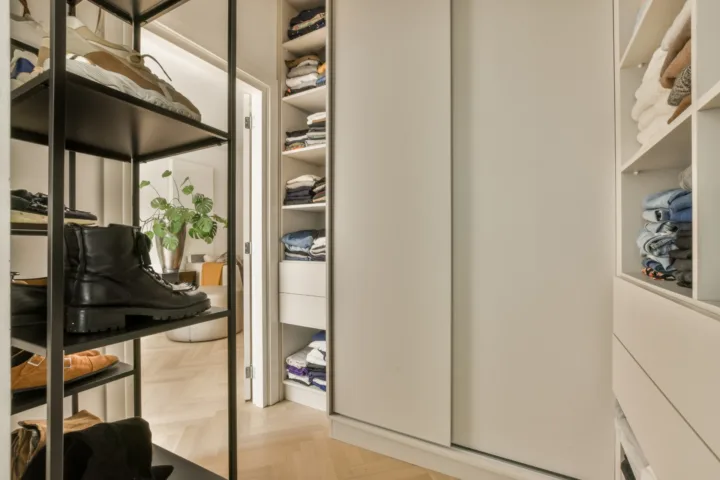
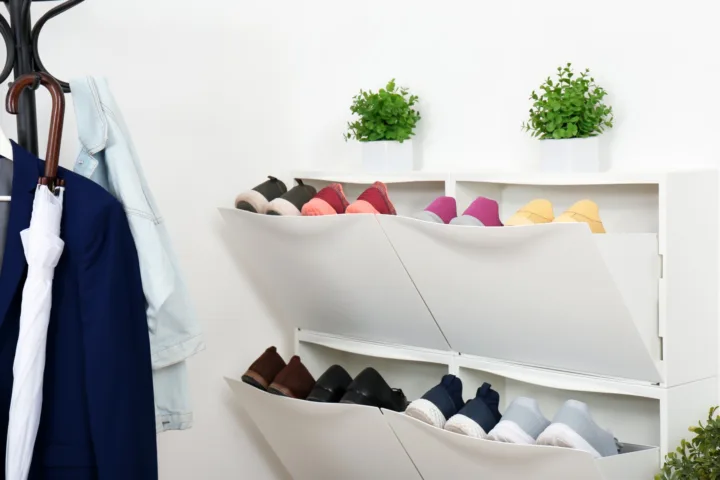
Shoes on the floor always became a landslide. I bought a slim three-tier rack that fits the depth of my closet. Everyday pairs sit on the lower two tiers. Dressier pairs go higher or in clear boxes on the shelf.
For boots, I use tall inserts so they stand upright instead of flopping. The floor stays clear. I can see every pair without kicking anything over. That small change cut my morning frustration in half.
Corral Accessories in Clear Bins
Jewelry, belts, and scarves used to live in a tangled drawer. Clear bins changed that. I sorted by type and stacked the bins on a middle shelf. Labels on the front tell me exactly what sits inside without opening anything.
I keep one open tray on the top shelf for the pieces I grab most often. Everything else stays contained. No more hunting for a matching earring at 7 a.m.
Create Zones That Match How You Dress
I stopped treating the closet like one big storage box. Now it has zones. Work clothes hang in the front section. Weekend clothes sit further back. Workout gear lives in a labeled bin on the bottom shelf.
This matches the way I actually get dressed. I reach for work clothes most weekdays, so they stay closest to the door. Seasonal items move to the highest shelf or a separate bin under the bed when they are out of season.
Fold Instead of Hang When It Makes Sense
Not everything belongs on a hanger. Heavy sweaters stretch on hangers. I fold them and stack them with the dividers I already mentioned. T-shirts also fold better than they hang in my space.
I use the file-fold method so I can see every shirt edge-on. That way nothing hides at the bottom of a pile. Hanging stays reserved for items that wrinkle easily or need the full length of the rod.
Label Everything You Cannot See
Opaque bins hide their contents. I label every single one. A simple label maker does the job. I also label the shelf edges under each category.
Labels remove the guesswork. When laundry comes out of the dryer, I know exactly where each piece returns. The system stays intact because putting things away takes almost no thought.
Add Lighting If Your Closet Is Dark
My closet had one weak bulb. I added battery-operated LED strips under the top shelf. Suddenly I could see the colors of every shirt without dragging them into the bedroom light.
Better lighting means fewer mistakes. I stop grabbing the wrong shade of navy because the real color shows clearly. This upgrade cost less than a nice dinner and paid for itself in reduced frustration.
Use Baskets for the Awkward Stuff
Some items refuse to hang or stack neatly. Hats, gloves, and random accessories go into open baskets on the top shelf. I pull the whole basket down when I need something and put it right back.
Baskets keep the visual noise low. They also make seasonal swaps easy. Winter accessories stay in one basket. Summer ones live in another. Switch them when the weather changes.
Keep a Donation Bag Ready
I hang a reusable bag on a low hook inside the closet. Any item I try on and decide against goes straight into that bag. When the bag fills, it leaves the house.
This prevents the “maybe later” pile from growing again. I no longer have to schedule a big purge. The slow, steady exit of unwanted pieces keeps the closet in check year-round.
Install a Small Mirror or Valet Hook
I added a slim full-length mirror on the side wall of the closet. Now I can check an outfit without walking to another room. A retractable valet rod next to it lets me hang tomorrow’s clothes the night before.
These two pieces turn the closet into a dressing station instead of a storage dump. Mornings feel calmer because the decision happens the night before.
Maintain the System with a Weekly Reset
Every Sunday I spend ten minutes putting anything out of place back where it belongs. I check the donation bag and empty it if needed. I straighten the color order if laundry day mixed it up.
This tiny habit protects the larger system. Without it, the closet would slide back into chaos within a month. Ten minutes once a week is the price of keeping the peace.
Track What You Actually Wear
I started turning hangers backward after I wore something. At the end of the season, any hanger still facing forward marked an item I never touched. Those pieces left the closet.
This simple tracking method revealed clothes I kept out of guilt or hope. Seeing the evidence made it easier to let them go. My closet now holds only what I reach for regularly.
Frequently Asked Questions
How long does it take to put these 17 organization ideas for the closet into practice? I finished the big overhaul in one weekend. The smaller habits like labeling and the weekly reset took about two weeks to feel automatic.
Do I need to buy expensive organizers? No. Most of my changes used items under twenty dollars. Slim hangers, shelf dividers, and over-the-door organizers did the heavy lifting.
What if my closet is really small? Start with the double rod, slim hangers, and door storage. Those three ideas free the most space in tight quarters.
How do I keep the system going after the initial setup? The weekly ten-minute reset and the one-in-one-out rule do most of the work. Consistency beats perfection every time.
Should I color-code everything or just the main sections? I color-code within each category. Full rainbow order looks pretty but takes longer to maintain. Category-first keeps daily use simple.
These 17 organization ideas for the closet turned my morning scramble into something almost pleasant. I still have days when a shirt lands on the floor, but the system recovers fast. You already own the space. Now make it work for you instead of against you. Start with the empty-out and the matching hangers. The rest builds from there.