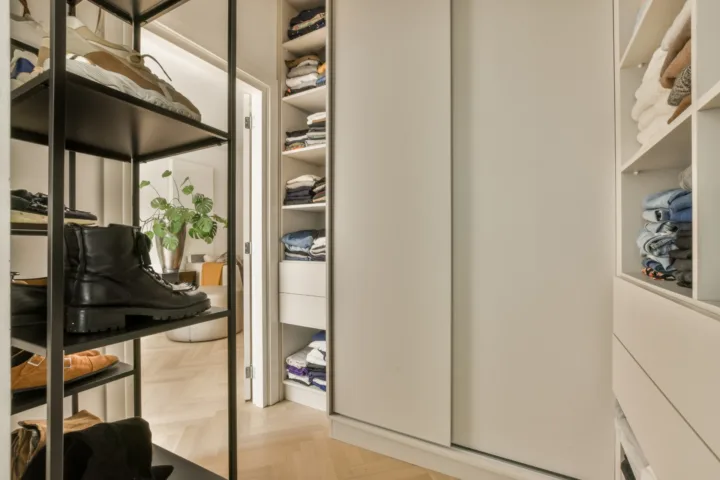
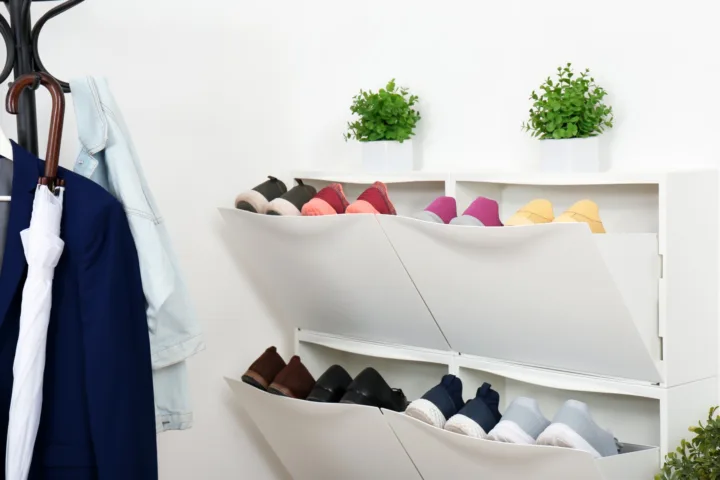
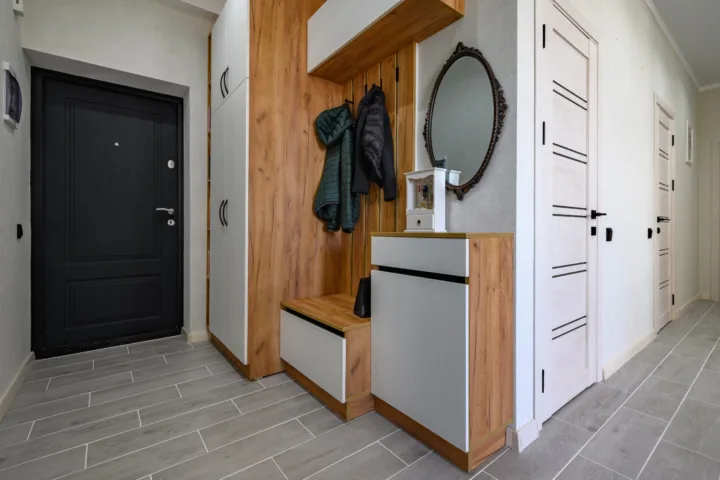
I spent years digging through the back of my deep closet like it was some kind of archaeological dig. Socks vanished. Sweaters migrated to the void. Everyday shirts got buried under seasonal junk I forgot I owned. After one too many mornings spent hunting for a single pair of jeans, I finally tackled the mess with real intention. These 16 deep closet organization ideas came from trial, error, and a whole lot of frustration. They work because they solve the actual problem: depth that hides everything you need.
I live with a reach-in closet that measures about 28 inches deep. That extra space should feel like a bonus. Instead it turned into a black hole. I tried the usual advice and watched most of it fail. Then I started testing what actually stuck. The result is a system that keeps daily items within arm’s reach and stores the rest without losing track of it. Honestly? I wish I had figured this out years earlier.
Start With a Complete Empty-Out
I never skip this step anymore. Pull every single item out. Clothes, shoes, bins, the weird box of cables that somehow ended up there. Spread it all on the bed or floor. The empty space shows you the real dimensions you have to work with.
Sort into three piles right away: keep, donate, and toss. Be ruthless. If I have not worn something in a full year, it leaves. This purge alone frees up more usable space than any fancy organizer ever could.
Once the closet is bare, wipe the shelves and vacuum the floor. A clean start makes the rest of the process feel less overwhelming.
Zone Your Closet From Front to Back
Deep space only works if you treat the front and back as different neighborhoods. I keep daily-wear items in the front 12 to 18 inches. That zone holds the jeans I wear weekly, the work tops, and the shoes I grab most mornings.
Middle depth holds occasional pieces. Back depth is for seasonal storage or items I use a few times a year. This simple front-to-back system stops the constant digging. I reach for what I need without knocking everything else over.
Install a Second Hanging Rod
One rod wastes half the vertical space in most deep closets. I added a lower rod about 40 inches from the floor. The upper rod sits around 68 to 80 inches, depending on ceiling height. Short items like shirts and pants hang on the lower level. Longer coats and dresses stay on top.
This double-hang setup nearly doubled my hanging capacity. I bought an adjustable tension rod first to test the heights. Once I confirmed the spacing worked, I switched to a more permanent mounted version. The difference is huge.
Add Pull-Out Shelves or Drawers
Fixed deep shelves create black holes. I learned that the hard way. Anything stored more than 12 inches back becomes invisible and unreachable without emptying the whole shelf.
Pull-out shelves solve this. I mounted a couple of full-extension ball-bearing slides and attached 12- to 14-inch-deep shelves. Now I slide the entire shelf forward and grab what I need. Same idea works with actual drawers if your budget allows. The key is full extension so the back of the shelf comes all the way out.
Use Sliding Baskets as Instant Drawers
Not every shelf needs a hard-mounted pull-out. Sturdy sliding baskets or bins on the existing shelves give the same effect for less money. I place open-front fabric bins or wire baskets that I can grip and pull forward.
These act like drawers without any installation. I use them for folded jeans, workout clothes, and scarves. Label the front edge clearly so I can see the contents at a glance.
Switch to Adjustable Shelving
Fixed shelves lock you into one layout. Adjustable ones let me change heights as my needs shift. I installed a simple track system along the side walls and moved the shelves to fit boots on one level and shorter bins on another.
The flexibility matters. Seasonal changes or a new collection of bags no longer force me to rebuild the whole closet.
Add Shelf Dividers for Stacked Clothes
Stacks of sweaters or jeans tend to topple or blend together on deep shelves. Vertical shelf dividers keep each stack upright and separate. I bought a set of simple acrylic or wire dividers and clipped them in place.
Now I can pull one stack without the rest collapsing. It looks neater and saves time every morning.
Choose Clear Bins With Front Labels
Opaque bins hide everything. Clear ones let me see the contents without opening them. I prefer bins with solid fronts so I can stick large labels right where my eyes land.
I write the category in bold letters: Winter Scarves, Extra Sheets, Kids’ Outgrown Clothes. Front labels beat lid labels every time because you never see the lids on deep shelves.
Mount Hooks and Pegs on Side Walls
The side walls of a deep closet often sit empty. I screwed in a few sturdy hooks and peg rails. Bags, belts, hats, and even a couple of jackets now hang there instead of taking up rod space.
This uses vertical wall space that usually goes to waste. It also keeps frequently grabbed items visible and off the floor.
Try a Lazy Susan for Small Accessories
Corners and deep back corners eat small items. A rotating tray or lazy Susan fixed that for me. I keep jewelry, sunglasses, and smaller accessories on one. A spin brings everything into view.
It feels a little kitchen-inspired, but it works perfectly in a closet. No more digging through a pile of tangled necklaces.
Bring in Tiered or Pull-Out Shoe Storage
Shoes scattered on the floor of a deep closet create chaos fast. I switched to a pull-out shoe rack that slides forward on tracks. Another option I like is a tiered freestanding unit that sits on the floor and uses vertical space.
Either way, every pair stays visible. I no longer kick over a pile just to reach the ones in the back.
Improve the Lighting
A dark deep closet hides problems and makes organization harder. I added a simple battery-powered LED strip along the top shelf and a motion-sensor puck light near the middle. Suddenly I could see every bin and hanging item.
Good lighting turns a frustrating space into one I actually want to open each morning. It also helps me notice when something needs reorganizing before it gets out of hand.
Rotate Seasonal Items Intentionally
I used to leave winter coats hanging year-round. They took up prime rod space. Now I move off-season clothes to the back zones or into labeled bins on the highest shelves.
Twice a year I do a quick swap. Current season stays in the front and middle. Everything else moves back or up. This keeps the usable space focused on what I actually wear right now.
Use Slim Velvet Hangers Throughout
Bulky plastic hangers eat horizontal space and create uneven gaps. I replaced everything with slim velvet hangers. They grip clothes better and let me fit more items on each rod without crowding.
The uniform look also makes the closet feel calmer. Matching hangers sound minor until you see the difference.
Create a Daily-Wear Landing Zone
I designated one specific section right at eye level for the clothes I wear most often. A couple of hanging spots and one pull-out shelf hold my current rotation.
Everything else lives farther back or higher up. This landing zone cuts decision time in the morning. I reach in, grab what I need, and close the door.
Leave Breathing Room on Purpose
I used to pack every shelf and rod to the limit. The closet looked full and felt stressful. Now I leave about 20 percent of the space empty on purpose. That buffer makes it easier to put things back and prevents the whole system from collapsing the moment one new item arrives.
Empty space is not wasted space. It is maintenance space.
Frequently Asked Questions
What is the best way to reach items at the back of a deep closet? Pull-out shelves, sliding baskets, and full-extension drawers bring the back forward. I rely on those more than any other single tactic when I organize a deep closet.
How deep should closet shelves be for easy access? I aim for 12 to 14 inches of usable depth on fixed shelves. Anything deeper needs a pull-out mechanism or I end up losing things again.
Do I need a full custom closet system to organize a deep closet? No. I started with basic adjustable rods, bins, and a couple of slide-out shelves. Those alone fixed most of the problems without a big remodel.
How often should I reorganize a deep closet? I do a full reset twice a year with the seasons. A quick 15-minute tidy every few weeks keeps the system from sliding backward.
Can these 16 deep closet organization ideas work in a small reach-in closet? Yes. Most of them scale down. The zoning, double rods, and pull-outs made the biggest difference in my own limited space.
These ideas turned a space I avoided into one that works every single day. The key was stopping the search for perfect products and focusing on access instead. Front zones for daily life. Pull-outs for the depth. Clear labels so nothing disappears. I still open the door some mornings and feel a quiet satisfaction. The black hole is gone. Everything has a spot I can actually reach. Try one or two of these this weekend. You might be surprised how quickly the frustration disappears.