My hallway closet used to swallow everything. Coats piled on the floor. Shoes kicked into a dark corner. Random bags of batteries and half-used cleaning sprays buried under last winter’s scarves. I spent years ignoring it until the day I couldn’t find the dog leash before a walk and nearly lost my mind. That mess forced me to invent my own set of 15 hallway closet organization ideas. These aren’t theory. They’re the exact steps and setups that turned my black hole into a space I actually open without dread.
I emptied the whole thing one Saturday. Sorted. Tossed. Donated. Then rebuilt from the floor up. What follows is every idea that worked for me, told the way I’d tell a friend who just texted a photo of their own overflowing closet.
Start With a Ruthless Clean-Out
I always begin here. No fancy bins or hooks matter if the closet still holds junk you don’t need.
Empty every shelf. Dump every basket. Spread it all on the floor or a table. Sort into three piles: keep, donate, trash. Be honest. That extra set of sheets you never use? Donate. The broken umbrella? Trash. The mystery box of cords? Probably trash too.
Once the keep pile sits alone, wipe the shelves and walls. I use a damp microfiber cloth and a bit of mild soap. Dry everything. This step feels tedious. It is. But the clean surface makes the next moves feel possible instead of hopeless.
Honestly? Most people skip this and wonder why their new organizers fail. Don’t skip it.
My 15 Hallway Closet Organization Ideas
These are the systems I installed and still use. Some cost almost nothing. Others needed a small investment. All of them earned their spot through daily use.
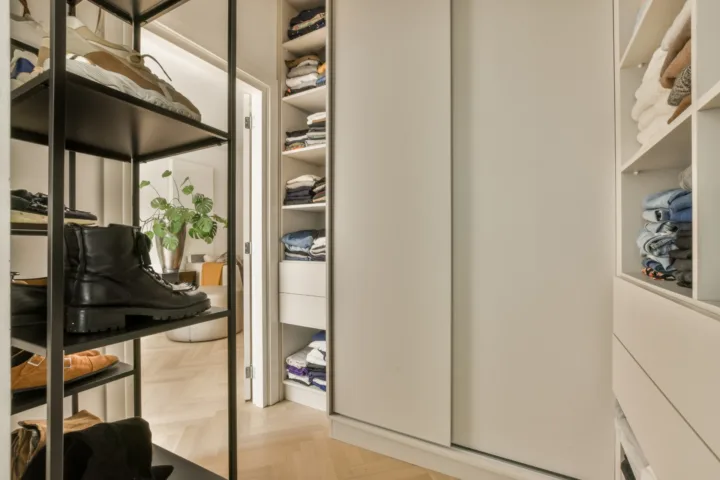
1. Zone the Space Like a Tiny Apartment
I divided my closet into clear zones. Bottom third for shoes and bags. Middle for everyday coats and jackets. Top for seasonal or rarely used items.
This simple map stopped the daily scramble. When everything has a neighborhood, it stays put. I labeled the zones with small adhesive tags at first. Later I removed them because muscle memory took over.
2. Add Adjustable Shelves Where None Existed
My original closet had one high shelf and a single rod. Useless. I installed an adjustable track system on both sides. Now I can move shelves up or down in minutes.
The middle shelf holds folded blankets and extra towels. The top holds holiday wraps and bulk paper goods. Flexibility matters more than I expected. Seasons change. So does what I store.
3. Hang Multiple Rows of Hooks
Hooks beat hangers for most hallway items. I mounted two rows on the back wall and another set on the inside of the door. Coats, backpacks, umbrellas, and dog leashes all get their own hook.
FYI, command hooks work fine if you rent and can’t drill. For permanent installs I prefer solid metal hooks screwed into studs. They hold heavier winter coats without sagging.
4. Use Clear Bins for Everything Small
Opaque baskets hide mess but also hide what you need. I switched to clear plastic bins with lids. One for batteries and flashlights. One for first-aid supplies. One for pet items. One for cleaning rags and spray bottles.
I can see the contents without opening a single lid. Labeling still helps, but visibility does most of the work. These bins stack neatly and slide out easily.
5. Install a Tension Rod for Extra Hanging
A tension rod under the main coat rod creates a second level. I hang lighter jackets and kids’ coats there. It doubles hanging capacity without new hardware or permanent changes.
This trick works especially well in narrow closets. The rod stays put and costs under ten dollars.
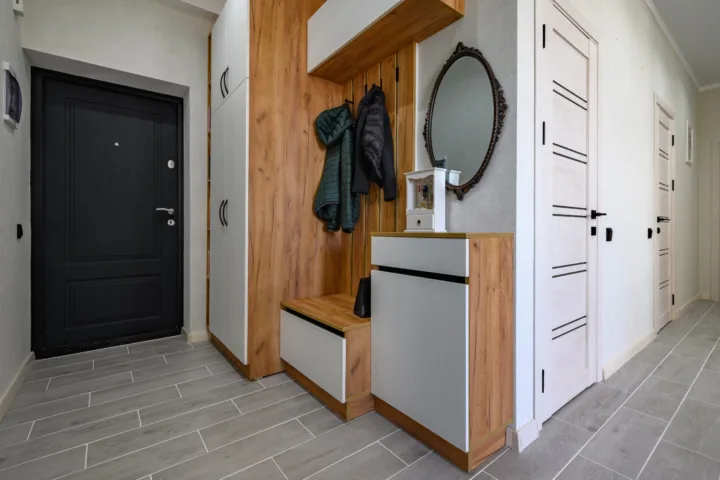
6. Create a Mini Mudroom Zone
Even without a real mudroom, I carved one out of the lower half. A low bench (just a sturdy plastic step stool) sits against the back wall. Under it I keep a shallow tray for shoes. Hooks above hold the current day’s jackets.
This setup stops the pile of shoes at the front door. Everyone sits, changes shoes, hangs the jacket, and moves on. Simple. Effective.
7. Add Shelf Dividers for Stacked Linens
Towels and sheet sets used to topple every time I grabbed one. Acrylic shelf dividers fixed that. I place them every twelve inches or so. Stacks stay upright. Categories stay separate.
I keep guest towels in one section, everyday bath towels in another, and sheet sets in a third. No more digging.
8. Maximize the Door With Over-the-Door Organizers
The back of the door is free real estate. I hung a fabric over-the-door shoe organizer first. Then swapped it for a mix of hooks and a narrow wire rack that holds spray bottles and dusters.
This keeps cleaning supplies off the main shelves. Everything stays visible and within reach when I need to wipe something down.
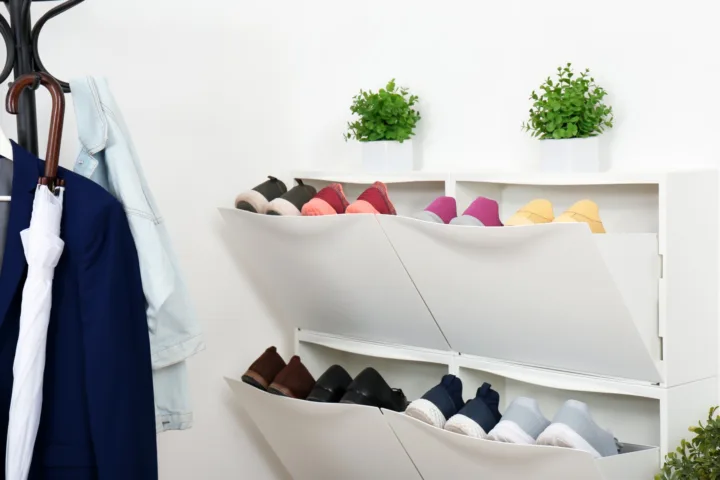
9. Store Shoes on a Low Rack or Tray
Shoes on the floor collect dust and create trip hazards. A simple two-tier metal rack holds eight pairs. For wet boots I use a waterproof tray lined with a towel that I change weekly.
I rotate seasonal shoes. Summer sandals live on the rack from May through September. Winter boots take their place the rest of the year. The rest go in under-bed bins elsewhere.
10. Label Everything (Even If You Think You Won’t Need It)
I resisted labels at first. Felt too fussy. Then I added them and never looked back. Simple printed labels or chalkboard tags on every bin and shelf edge make the system work for the whole household.
Kids and partners stop asking where things live. They can see the answer. Labels also force me to stay honest about what belongs in each spot.
11. Keep Frequently Used Items at Eye Level
This one feels obvious after you try it. Everyday jackets hang at eye level. Daily shoes sit on the lowest easy-to-reach shelf. Seasonal coats and bulk supplies go high or low.
I used to put the vacuum on a high shelf because it looked tidy. Then I realized I never wanted to haul it down. Now the vacuum lives on the floor of the closet next to the dustpan. I use it more.
12. Add a Pegboard for Tools and Odds
One side wall got a small pegboard. I hang the broom, dustpan, step stool, and a couple of reusable shopping bags. Pegs hold scissors, tape, and a flashlight too.
Pegboard turns dead wall space into useful storage. It also looks intentional instead of cluttered.
13. Use Baskets for Soft Items
Soft things like scarves, gloves, and hats live in open woven baskets on a middle shelf. I can grab what I need without lids getting in the way. The texture softens the look of all the plastic bins elsewhere.
I keep one basket per category. Winter accessories in one. Summer hats in another that lives higher up most of the year.
14. Create a Seasonal Swap System
Twice a year I pull everything out and swap. Winter coats and boots go into labeled under-bed storage. Summer items move into the hallway closet. The process takes under an hour because the zones and bins already exist.
This keeps the closet from becoming a year-round archive of things I don’t currently need. Space stays breathable.
15. Leave Breathing Room on Every Shelf
I used to fill every inch. Then nothing stayed neat. Now I leave a few inches of empty space on each shelf and between hanging items. Air circulates. Things stay easier to grab. The whole closet feels calmer.
That empty space is not wasted. It is the difference between a system that lasts and one that collapses after two weeks.
How I Maintain the System Without Losing My Mind
Organization fails when it demands perfection. I built in easy resets. Every Sunday I do a two-minute check. Return anything that wandered. Empty the shoe tray of leaves or mud. Straighten the coat hooks.
Once a month I glance at the bins. If something no longer belongs, it leaves. No big production. Just quiet maintenance.
IMO the biggest mistake people make is treating organization like a one-time project. It is a habit. The 15 hallway closet organization ideas only work because I treat them as living rules instead of a finished photo.
Real Results After Six Months
The closet no longer triggers stress when I open the door. Guests can hang their coats without me apologizing for the mess. I find the umbrella on rainy mornings. The dog leash lives on its hook. Cleaning supplies stay together so I actually clean more often.
None of this required a full remodel or expensive custom system. Most of the materials came from a hardware store and a couple of online orders. The real cost was the afternoon I spent emptying and sorting. Everything after that felt like progress.
Frequently Asked Questions
How do I start organizing a hallway closet if it feels completely overwhelming? Empty it completely first. Sorting on the floor turns an impossible pile into manageable decisions. Once the space is bare, the rest of the 15 hallway closet organization ideas become much easier to picture and install.
What should I keep in a hallway closet versus other storage spots? Keep only items you reach for often or need near the entry. Coats, shoes, umbrellas, daily cleaning tools, and current-season accessories belong here. Off-season clothes, archival papers, and rarely used gadgets move elsewhere.
Do clear bins really make a difference? Yes. I tried pretty opaque baskets first and still dug through them constantly. Clear bins let me see contents at a glance. That single change cut my search time dramatically.
Can these ideas work in a very narrow closet? Absolutely. Focus on vertical space, door storage, and slim bins. Tension rods, hooks, and over-the-door organizers shine in tight footprints. Skip deep drawers that need extra clearance.
How often should I reorganize once the system is in place? I do a light weekly reset and a deeper seasonal swap. Full empties happen maybe twice a year. The point of a good system is that it needs far less drama to maintain.
I still smile when I open that door. The same closet that once made me late and frustrated now saves me time every single day. Pick one idea from the list and try it this weekend. Then add another. Before long the whole system will feel like it belongs to you. And that is the real win.